Why Roof claim assistance Matters When Disaster Strikes
Professional roof claim assistance is the most effective way for homeowners to secure equitable insurance settlements following storm, hail, or wind damage. When you partner with a local contractor experienced in claims, you avoid missed damage, incomplete scopes, and underpaid estimates that delay repairs. For homeowners who need a reliable starting point after severe weather, schedule a trusted roof inspection with Heritage Roofing & Repair to document storm-related damage before the paperwork begins.
Industry and claims-industry reporting consistently show a measurable gap between self-managed claims and professionally documented claims, because clear photos, correct measurements, and code-compliant line items reduce adjuster guesswork. A roof claim is a documentation-and-scope process first, and a negotiation second. When documentation is weak, insurers default to smaller scopes.
Filing an insurance claim for roof damage isn’t just paperwork, it’s entering a negotiation where having the right expertise makes the difference between a fair settlement and leaving money on the table. Most homeowners insurance policies cover sudden, accidental roof damage from storms, hail, wind, and fire, but insurance adjusters work for the insurance company, not for you. Their job is to evaluate the company’s liability, which is why independent, professional roof claim assistance has become essential for homeowners in storm-prone areas like Northwest Arkansas.
I’m Rex Wisdom, and through Heritage Roofing & Repair, my family has spent over 50 years helping Berryville homeowners steer the roof claim assistance process after storm damage, ensuring they receive fair settlements and quality repairs. Our hands-on approach combines detailed damage documentation, direct adjuster communication, and transparent advocacy to turn the stressful claims process into a manageable path toward restoring your home.
Roof claim assistance vocab to learn:
Understanding Your Coverage: What Homeowners Insurance Typically Includes
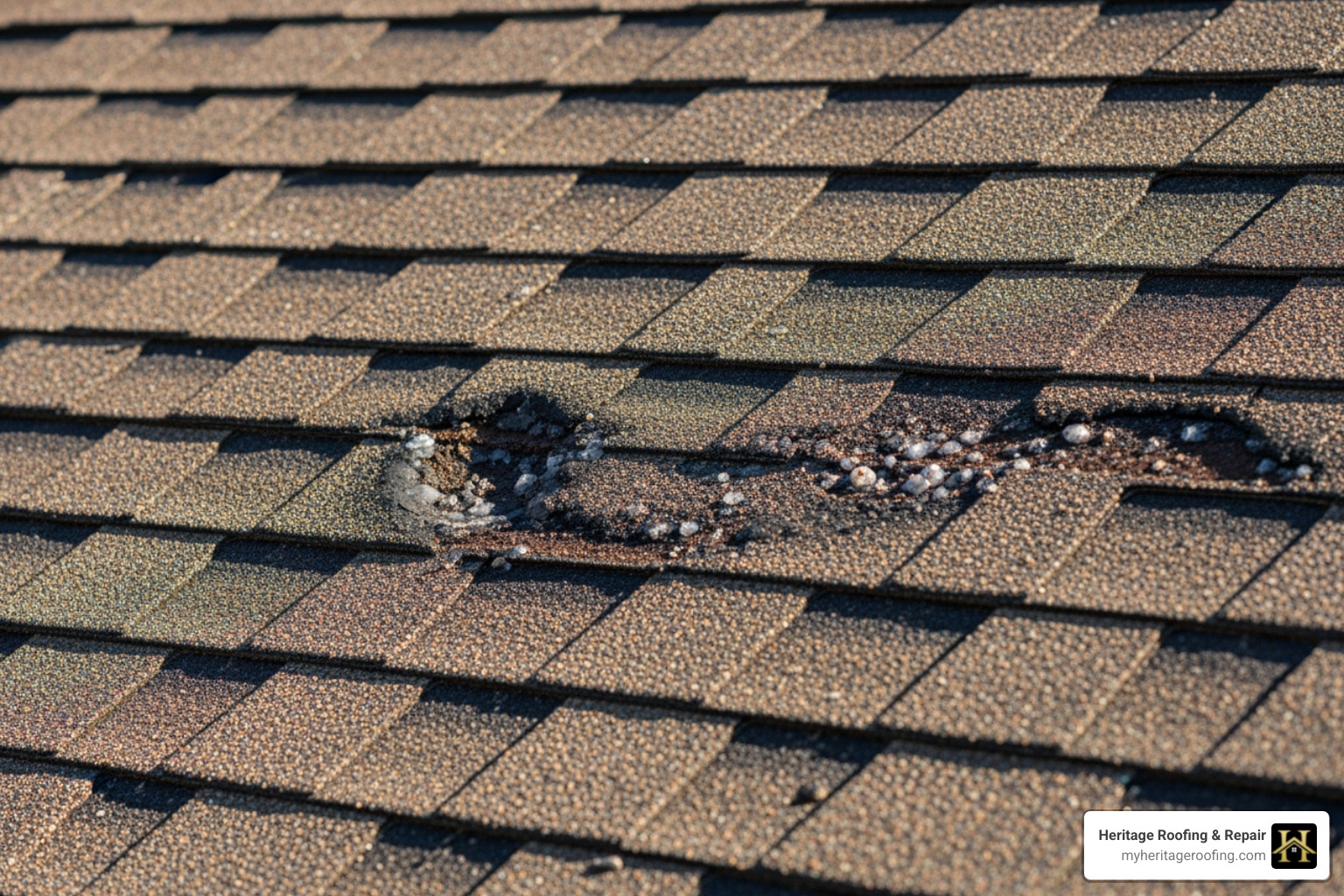
Standard homeowners insurance is designed to protect you from “perils”, insurance speak for unexpected events. In Arkansas, these usually involve the wild weather we see in the Ozarks. Most policies cover the structure of your home against sudden and accidental damage. This includes wind-driven rain, tornadoes, and the heavy hail that rolls through Berryville and Fayetteville. According to the Insurance Institute for Business & Home Safety (IBHS), hail damage is one of the leading causes of property insurance claims in the United States.
Covered perils typically include:
- Wind Damage: High winds that lift shingles or cause tree limbs to fall on your home.
- Hail Impact: Hail can knock off protective granules, causing “bruising” that leads to leaks.
- Fire and Lightning: Direct strikes or fire damage to the roof deck.
- Falling Objects: Such as branches or debris during a storm.
However, your policy is not a maintenance plan. Insurance companies expect you to perform reasonable upkeep. If an inspector finds that a leak was caused by 20 years of neglect rather than a specific storm, they will likely deny the claim. For a deeper dive into what qualifies, check out our Roof Damage Insurance Guide. At Heritage Roofing & Repair, we help you distinguish between “wear and tear” and storm-related damage so you don’t file a claim that gets rejected.
Identifying Covered vs. Non-Covered Damage
The line between a covered event and a maintenance issue can be blurry. Covered damage is sudden and accidental. If a tornado rips off half your shingles, that’s a clear-cut claim. If your roof has been slowly leaking for three years because the flashing was never sealed, that is considered a maintenance failure.
Common exclusions include:
- Aging Shingles: Once a roof hits 20+ years, coverage may be limited to Actual Cash Value (depreciated value).
- Manufacturer Defects: These are usually handled through material warranties, not home insurance.
- Neglect: Failing to clean gutters or repair small leaks that eventually cause rot.
Many homeowners ask, “Can I Claim a Roof Leak on Insurance?” The answer depends entirely on the cause. If a hailstone cracked the shingle that let the water in, yes. If the shingle just dried out and curled over time, likely no.
The Impact of Roof Age and Maintenance History
Your roof’s “medical history” matters. Insurance companies often look for a LeakFREE roof certification or proof of regular maintenance when evaluating risk. If your roof is over 15 to 20 years old, your insurer might switch you from a Replacement Cost Value (RCV) policy to an Actual Cash Value (ACV) policy. RCV pays to replace the roof at today’s prices, while ACV only pays what the old roof was worth at the time of damage, leaving you with a much larger bill.
Proactive upkeep is your best defense. We recommend keeping a folder with receipts for any repairs and using our Free Roof Inspection Complete Guide to establish a baseline before storm season hits.
The Step-by-Step Guide to Professional Roof claim assistance
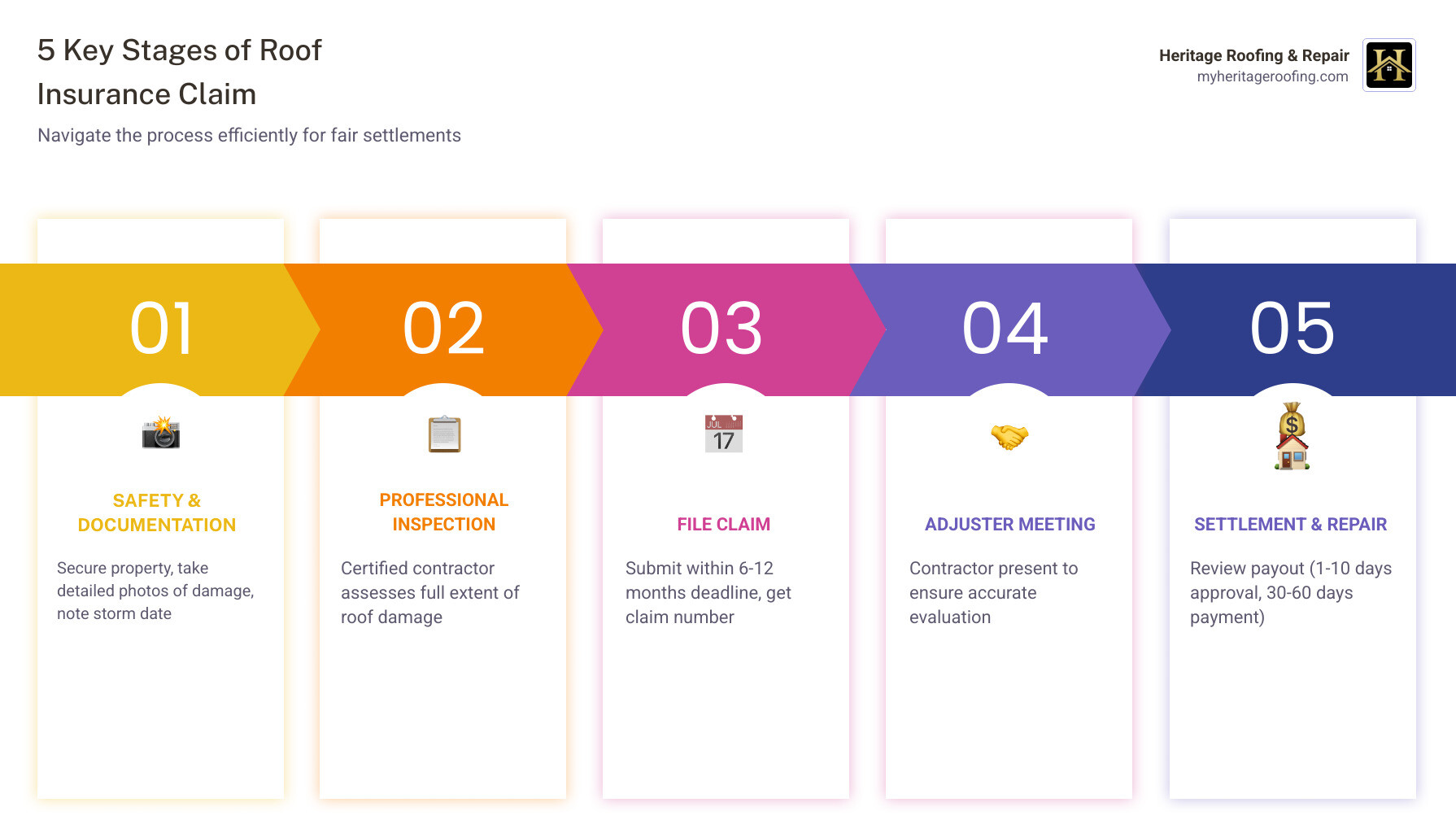
When the clouds clear and you see shingles in your yard, the clock starts ticking. Most insurance providers require claims to be submitted within 6 to 12 months of the event, but waiting that long is a recipe for a denied claim.
The first priority is always safety. If your roof is actively leaking, you have a “duty to mitigate” under your insurance contract. This means you must take reasonable steps to stop further damage, like tarping the hole. Our team at Heritage Roofing & Repair provides emergency tarping services to protect your interior while the claim is processed. For a detailed walkthrough, see How to File Roof Replacement Insurance Claim with Adjuster.
| Service Type | Review/Approval Timeline | Repair Completion Goal |
|---|---|---|
| Emergency Repairs | 1 – 3 Days | 24 – 48 Hours |
| Non-Emergency Replacement | 7 – 14 Days | 2 – 4 Weeks |
Step 1: Immediate Documentation and Damage Assessment
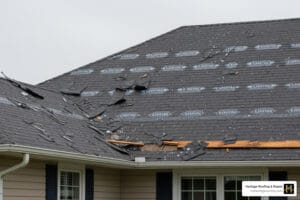
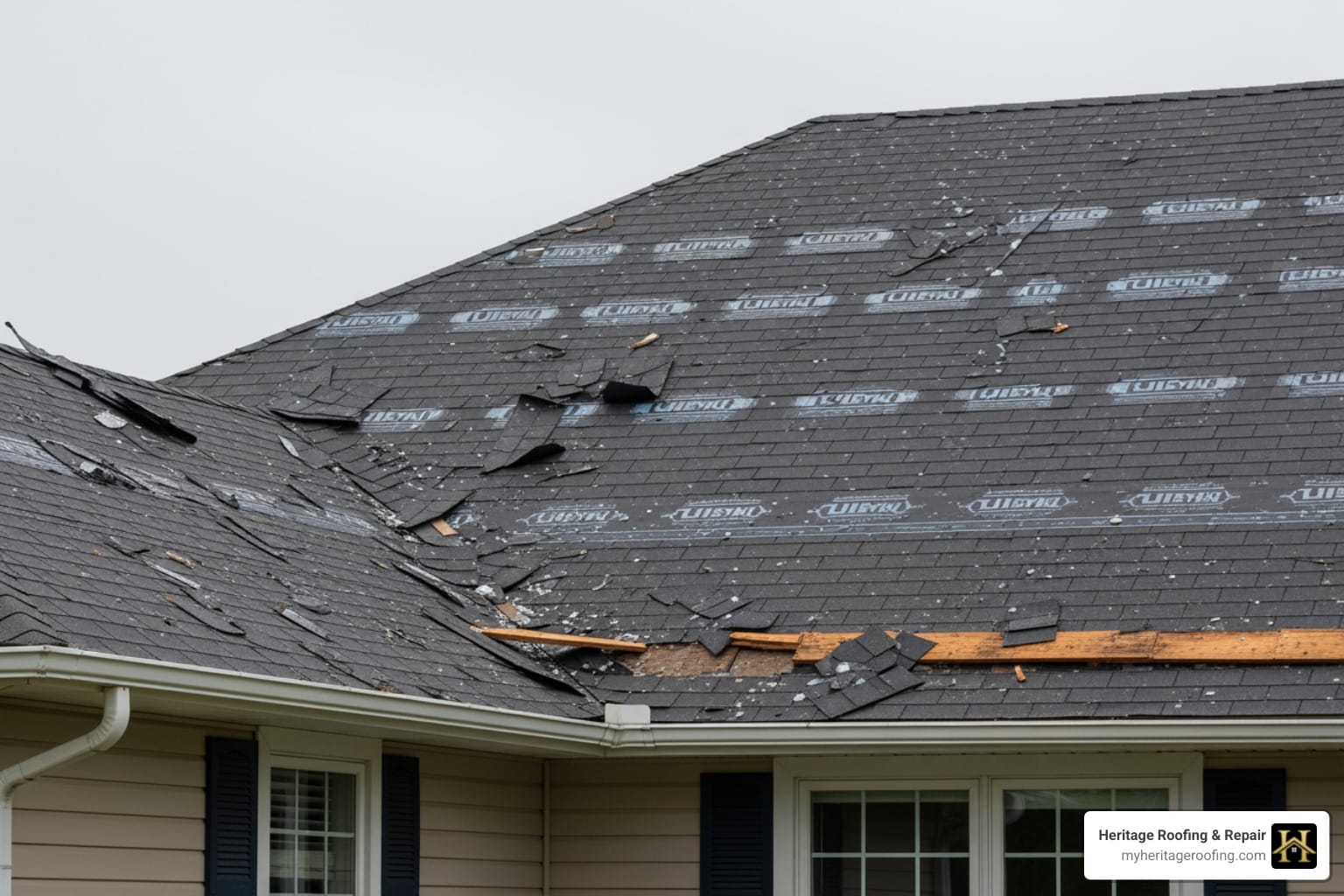
Before you touch anything, grab your phone. Take photos of the roof (from the ground if it’s unsafe), any downed limbs, and interior water stains on ceilings or in the attic. Look for “telltale signs” like granules collecting at the bottom of downspouts or dents in your gutters and soft metal vents. Our Hail Damage Roof Guide 2025 explains exactly what “bruising” looks like—it often resembles dark, circular spots where the protective stones have been knocked off.
Step 2: Filing the Claim and Meeting the Adjuster
Once you call your insurer, they will assign a claim number and an adjuster. This is the most critical moment. You should have your contractor present during this inspection. Why? Because the adjuster might miss subtle hail damage or structural issues that a seasoned roofer will catch. We speak the same technical language as adjusters, ensuring the full “scope of work” is captured. Learn more about this partnership in our guide on Roofing Contractors and Insurance Adjusters.
Why You Need Expert Roof claim assistance Before Calling Your Insurer
It might seem logical to call the insurance company first, but it is often better to call a trusted contractor for a pre-claim assessment. If a contractor finds that your “damage” is actually just old age, you can avoid filing a claim that would count against your insurance history without providing a payout.
Insurance companies often suggest “preferred vendors.” While these companies are licensed, they often work under pre-agreed pricing structures with the insurer. By choosing your own independent expert from the Roofing Companies that Work with Insurance Claims, you ensure you have a consumer advocate whose only goal is the restoration of your home. Our Insurance Claim Specialists provide the technical reports and photo evidence needed to justify a full replacement when a simple patch job won’t suffice.
Avoiding Unnecessary Claims and Premium Spikes
Will your rates go up? Usually, storm damage is considered an “Act of Nature” or a “no-fault” claim. Most insurers won’t raise your individual rates for one weather claim. However, if a major storm hits all of Fayetteville and Harrison, the insurer might raise rates for the entire region. Filing an unfounded claim (where the damage is less than your deductible) is a mistake. This is why we answer the question “Should I File an Insurance Claim for My Roof?” only after a thorough, free physical inspection.
Maximizing Your Payout with Detailed Estimates
A “good enough” estimate can leave you thousands of dollars short. A professional estimate must include:
- Tear-off and Disposal: Removing the old layers.
- Code Compliance: Upgrading to current local building codes (for example, ice and water shield where required).
- Material and Labor: Current market rates, not outdated software averages.
If the adjuster misses something, we file a supplemental claim. This is a request for additional funds when “hidden” damage is found during the actual Roof Replacement Insurance Claim process.
Local Expertise and Contact Information
Heritage Roofing & Repair provides specialized advocacy for homeowners across Northwest Arkansas.
Heritage Roofing & Repair
3458 Arkansas State Hwy 221, Berryville, AR 72616
(870) 654-1164
Navigating Payouts: Deductibles, ACV, and Replacement Cost Value
Understanding the money side of roof claim assistance is where most people get tripped up. Most homeowners pay a deductible, which is your out-of-pocket cost. This is typically a fixed amount between $500 and $2,000, or a percentage (usually 1-2%) of your home’s total insured value. If your home is insured for $300,000 and you have a 2% deductible, you are responsible for the first $6,000.
The two main types of payouts are:
- Actual Cash Value (ACV): The insurer pays for the roof’s value today. If your 20-year roof is destroyed, they subtract 20 years of “wear and tear” (depreciation) from the check.
- Replacement Cost Value (RCV): The insurer pays what it costs to buy a new roof today. They usually send an initial check for the ACV, and then a second check (the “recoverable depreciation”) once the work is completed and invoiced.
Our Roof Insurance Guide 2025 breaks these terms down even further so you aren’t surprised by the final numbers.
Understanding the Claim Settlement Timeline
The process isn’t overnight. After the adjuster’s visit, you’ll typically receive an approval or denial within 7 to 10 days. Once approved, the first check often arrives within 30 to 60 days. If you have a mortgage, that check will likely be made out to both you and your lender. The bank will hold the money in escrow and release it in stages to ensure the repairs are actually made. Our Filing Roof Insurance Claim Guide provides tips on how to speed up this multi-party communication.
Overcoming Obstacles: What to Do if Your Claim is Denied or Underestimated
If your claim is denied, don’t panic. Common reasons for denial include late filing, lack of evidence, or the adjuster attributing the damage to “wear and tear.” If this happens, you have rights. You can:
- Request a Re-inspection: Ask for a different adjuster to look at the roof, preferably with your contractor present.
- Hire a Public Adjuster: A private professional who negotiates with the insurance company for a fee.
- Invoke the Appraisal Clause: A formal process within your policy to settle disputes over the amount of the loss.
Check our Homeowners Insurance Denied Roof Claim Guide for the exact steps to file an appeal. We’ve helped many families turn a Hail Damage Roof Claim Denied into a fully funded replacement by providing more detailed photographic evidence and weather reports.
Frequently Asked Questions about Roof Insurance Claims
What is a ‘supplemental claim’ in the roofing process?
A supplemental claim is a request for additional funds sent to the insurer if hidden damage—like rotted decking or broken rafters—is discovered after the initial repair work begins. This ensures the full cost of a proper repair is covered even if the adjuster missed it initially.
Can I perform my own roof repairs and keep the insurance money?
While you can technically perform your own repairs, most Replacement Cost Value (RCV) policies require proof of professional completion to release the final depreciation payment. Additionally, DIY repairs may void material warranties and complicate future insurance coverage for the structure.
Conclusion
Navigating a roof insurance claim doesn’t have to be a battle. By understanding your coverage, documenting damage immediately, and partnering with an expert who provides comprehensive roof claim assistance, you can ensure your home is restored with the quality it deserves. Don’t let a storm leave you underfunded — get the advocacy you need to protect your biggest investment.
Get expert storm damage roof repair assistance from Heritage Roofing & Repair today. We’ll handle the adjusters while you focus on getting back to normal.