When a Dripping Ceiling Hits: What Your Home Insurance Actually Covers
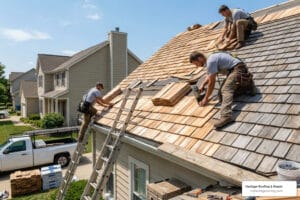
Can you claim on home insurance for a leaking roof? Yes — but only if the leak was caused by a sudden, accidental event like a storm, hail, or falling tree. If the leak developed gradually due to age, neglect, or normal wear and tear, your insurer will almost certainly deny the claim. Before filing a claim, consulting with a professional roofing company in Berryville, AR can help you determine the exact cause of the leak.
Here’s the quick answer:
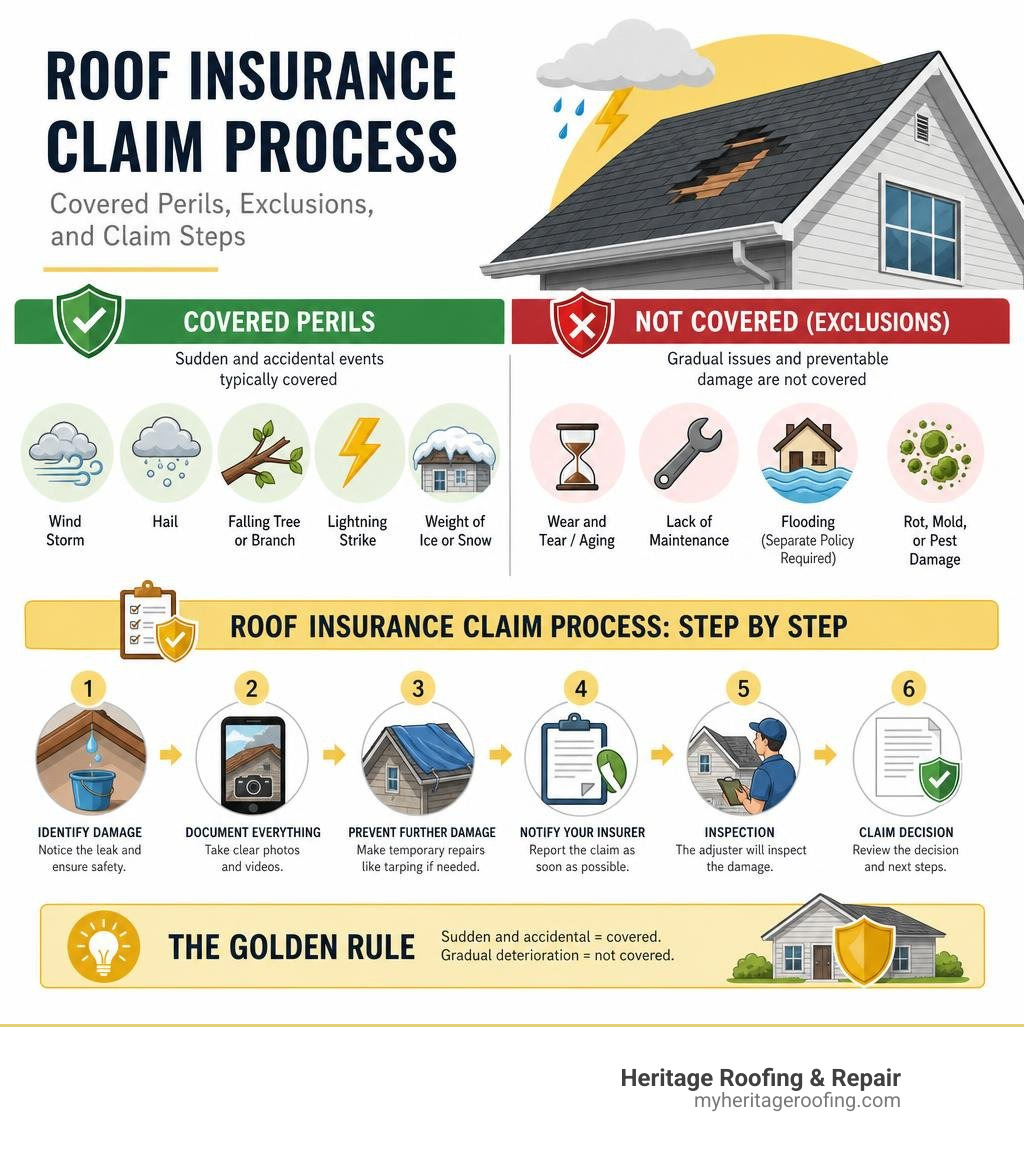
| Cause of Roof Leak | Typically Covered? |
|---|---|
| Hail or wind storm damage | Yes |
| Falling tree or branch | Yes |
| Lightning strike | Yes |
| Weight of ice or snow | Yes |
| Wear and tear / aging | No |
| Lack of maintenance | No |
| Flooding | No (requires separate policy) |
| Rot, mold, or pest damage | No |
The single rule that decides everything: sudden and accidental = covered. Gradual deterioration = not covered.
Water damage is one of the most common claims homeowners file — it accounted for 27.6% of all homeowners insurance claims in 2022. Yet a huge number of roof leak claims still get denied, often because the damage doesn’t meet the insurer’s definition of a covered peril. Understanding that line before you file can save you time, stress, and money.
If you’re dealing with storm damage or a suspected roof leak, knowing your coverage is the first step to protecting your home and your wallet.
I’m Rex Wisdom, owner of Heritage Roofing & Repair, and after more than 50 years of combined family experience repairing storm-damaged roofs across Northwest Arkansas, I’ve helped countless homeowners navigate the exact question of can I claim on home insurance for a leaking roof — and I’ve seen what makes a claim succeed or fail. In the guide below, I’ll walk you through everything you need to know clearly and without the insurance jargon.
Key can i claim on home insurance for leaking roof vocabulary:
Local Office Contact Information
Heritage Roofing & Repair
3458 Arkansas State Hwy 221, Berryville, AR 72616
Phone: (870) 654-1164
Can I Claim on Home Insurance for Leaking Roof?
When you discover water dripping from your ceiling, your immediate thought is likely, can i claim on home insurance for leaking roof? The answer is not a simple yes or no; it depends entirely on the root cause of the leak.
Standard home insurance policies are designed to protect your home against sudden, accidental, and unexpected events. If a severe windstorm tears shingles off your roof or a major hailstorm cracks your roof’s protective layers, allowing water to pour into your attic, you can make a successful claim. In these scenarios, the leak is directly tied to an active, covered peril.
However, insurance is not a home maintenance plan. If your roof is leaking because it is twenty-five years old, has missing shingles that you haven’t replaced, or has suffered from years of slow weathering, your insurance company will deny the claim. To understand how insurance companies view these situations, you can read the comprehensive breakdown on Does Homeowners Insurance Cover Roof Leaks? | Bankrate.
If you are trying to determine whether your specific leak qualifies for coverage, checking our guide on Can I Claim a Roof Leak on Insurance? is a great place to start. The key takeaway to remember is that insurance adjusters look for a specific, identifiable event that caused the damage. Without a clear “origin of loss,” a claim will struggle to get approved.
Covered Perils vs. Excluded Roof Damage
Understanding what your policy covers and what it excludes is the best way to avoid a surprise denial. Insurance companies categorize roof damage strictly based on the cause of the leak.
The table below outlines the general rules of what standard homeowners policies cover versus what they exclude:
| Covered Perils (Sudden & Accidental) | Excluded Perils (Gradual & Maintenance) |
|---|---|
| Windstorms & Tornadoes: Shingles ripped off by high winds. | Normal Wear and Tear: Shingles losing granules over decades. |
| Hail Damage: Hailstones cracking or bruising shingles. | Lack of Maintenance: Clogged gutters causing water back-ups. |
| Falling Objects: A tree limb crashing onto the roof during a storm. | Pre-existing Damage: Unrepaired leaks from previous years. |
| Lightning & Fire: Roof damage caused directly by fire or lightning. | Pests & Animals: Damage from squirrels, raccoons, or insects. |
| Weight of Ice, Snow, or Sleet: Structural collapse or ice dams. | Flooding & Earthquakes: Ground-up water damage (requires separate policy). |
For more details on standard exclusions, you can refer to Does homeowners insurance cover roof damage? – Allstate. Let’s look closer at how these play out in real life.
When Can I Claim on Home Insurance for Leaking Roof After a Storm?
If a severe storm rolls through Northwest Arkansas, you have a much stronger chance of getting your claim approved. High winds can lift, crack, or completely remove asphalt shingles, exposing the underlayment below. Hail can strike your roof with enough force to bruise the shingles, leading to rapid deterioration and subsequent leaks.
To put this into perspective, wind and hail claims are incredibly common. Statistics show that wind and hail claim frequency occurred at a rate of 2.80 per 100 insured homes over the 2019-2023 period.
When storm-driven rain enters your home through an opening newly created by high winds or hail, your dwelling coverage will pay to repair the roof, and your personal property coverage will help repair or replace ruined interior items. If you need help identifying whether your roof has storm damage, check out our roof damage insurance guide for visual signs to look for.
Why You Cannot Claim on Home Insurance for Leaking Roof Due to Wear and Tear
If your roof is leaking because it has simply reached the end of its natural lifespan, your insurance claim will be denied. Insurers expect homeowners to maintain their properties, which includes repairing old flashing, clearing out gutters, and replacing worn-out shingles.
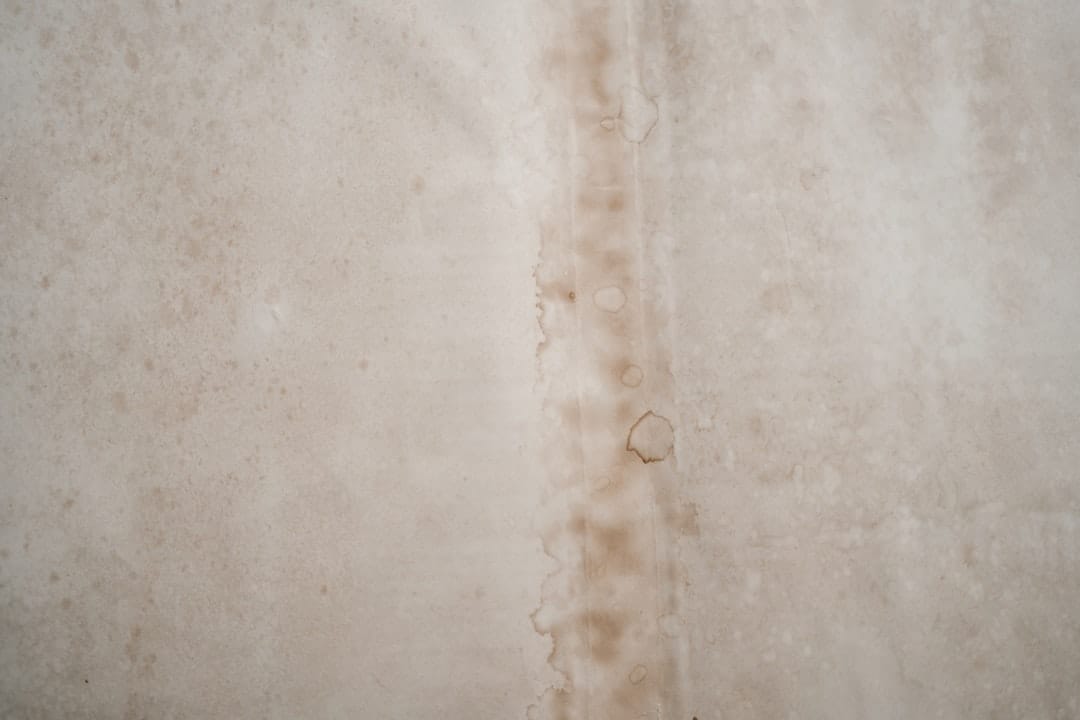
Gradual deterioration, rot, mold, and general aging are not considered sudden or accidental. For example, if a slow, unaddressed leak has been dripping behind your drywall for months, causing rot and mold, the insurer will view this as a failure of maintenance rather than a covered insurance event.
If you are on the fence about whether your roof’s issues are due to a storm or just age, read our expert advice on should I file an insurance claim for my roof? to weigh the pros and cons before making that phone call to your agent.
How Roof Age, Material, and Design Affect Coverage
Your roof’s age, the materials it’s made of, and its architectural design play massive roles in how an insurance company calculates your claim payout — and whether they will cover you at all.
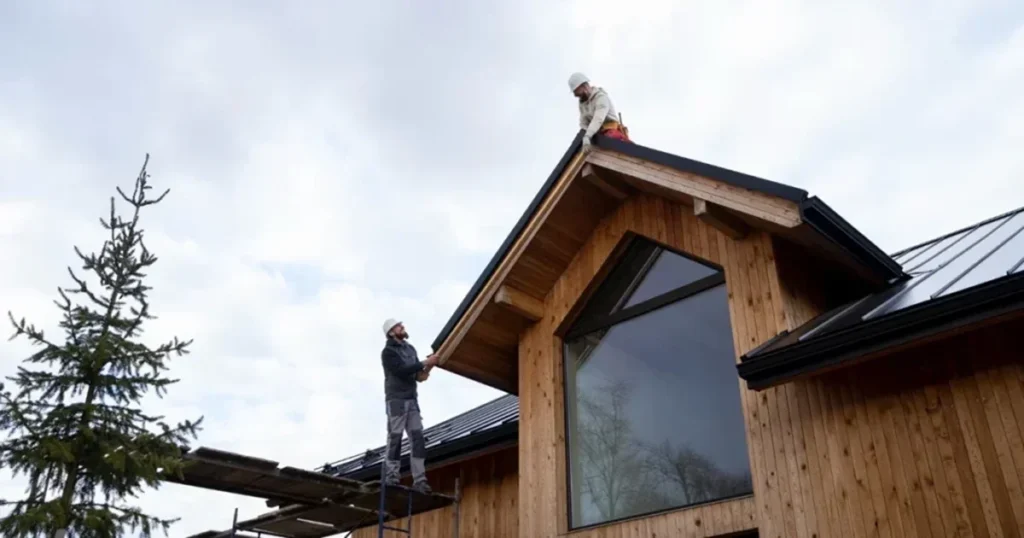
Different roofing materials behave differently under stress. While asphalt shingles are highly susceptible to wind and hail, metal roofs are incredibly durable. However, metal roofs can sometimes face “cosmetic damage exclusions,” where an insurer won’t pay to replace metal panels that are dented by hail but still completely functional and watertight. You can read more about these nuances in Roof Damage Insurance: What’s Covered, What’s Not, and When to File (2026).
Actual Cash Value (ACV) vs. Replacement Cost Value (RCV)
How your claim is paid depends entirely on whether your policy is written as Actual Cash Value (ACV) or Replacement Cost Value (RCV). This distinction is especially critical as your roof ages.
- Replacement Cost Value (RCV): Under an RCV policy, the insurance company will pay the actual cost to repair or replace your damaged roof with new materials of similar kind and quality, minus your deductible. If a storm ruins your roof and it costs $11,500 to replace, the policy covers the full amount (minus your deductible), regardless of how old the roof was.
- Actual Cash Value (ACV): Under an ACV policy, the insurer factors in depreciation based on the age of your roof. For example, if your 18-year-old roof needs to be replaced after a storm, and a full replacement costs the average of $11,500, the insurer will deduct the value of 18 years of wear and tear. You might only receive a payout of $4,000 or $5,000, leaving you to pay the remaining balance out of pocket.
Knowing your policy type is vital before starting any major project. If you need to plan your budget, you can request a professional roof replacement estimate from us to see where you stand.
Flat Roofs and Special Policy Clauses
Flat roofs have a notoriously tough reputation in the insurance industry because they do not shed water as easily as sloped designs, such as saltbox roofs. On a flat roof, water can easily pool, which increases the likelihood of structural sagging, membrane deterioration, and eventual leaks.
Because of this risk, many insurance companies include special endorsements or strict maintenance clauses for homes with flat roofs. They may require:
- Proof of regular professional inspections (often annually or bi-annually).
- Detailed maintenance records showing that drains and gutters have been kept clear.
- Exclusions for damage caused by “ponding” water that remains on the roof for more than 48 hours.
If you suspect your flat roof has a hidden issue, early detection is key to keeping your insurance coverage valid. Learn how we pinpoint these tricky problems in our roof leak detection guide.
Step-by-Step Guide to Filing a Roof Leak Claim
If you’ve determined that your roof leak was caused by a sudden, covered event like a recent storm, you need to act quickly and systematically to protect your claim.
While a basic roof repair in the U.S. costs around $1,147 on average, letting a leak linger can quickly escalate those costs into the tens of thousands if structural timber or interior ceilings rot.
To make sure your filing goes smoothly, follow our comprehensive filing roof insurance claim guide. Here are the immediate steps you should take.
Immediate Actions to Take After Discovering a Leak
When water is actively entering your home, you must act fast to minimize the damage. Insurance policies contain a “mitigation clause,” which requires you to take reasonable steps to prevent further damage to your property. If you fail to do so, the insurer can deny coverage for any secondary damage that occurs after the initial leak.
- Contain the Water: Place buckets, plastic bins, or towels under the drip to protect your flooring and furniture.
- Move Belongings: Clear electronics, furniture, and valuables away from the wet area.
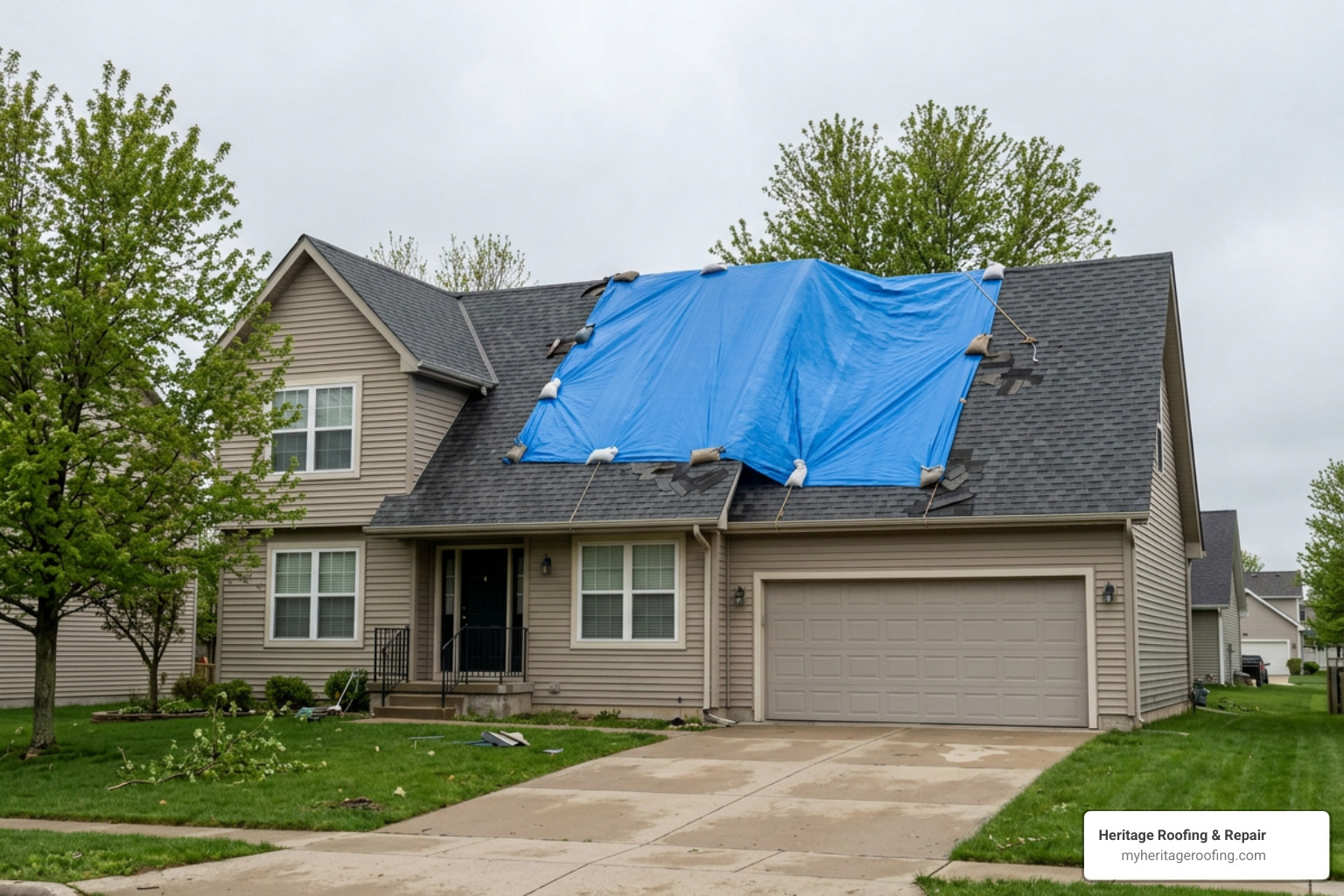
- Install a Temporary Tarp: If it is safe to do so, or if you can call a professional to do it, have a tarp placed over the damaged section of the roof.
- Keep Your Receipts: Save every receipt for emergency tarps, buckets, or professional mitigation services. These expenses are typically reimbursable as part of your claim.
If you are dealing with an active crisis and need immediate assistance, read our guide on how to handle a roof leak emergency safely.
Documenting the Damage and Working with Adjusters
Before you clean up or make any permanent repairs, you must document everything. This documentation will serve as the foundation of your insurance claim.
- Take Photos and Videos: Capture clear, well-lit photos and videos of the active leak, the damaged ceiling or walls, any ruined personal property, and the roof damage itself (if visible from the ground).
- Get a Professional Estimate: Before the insurance adjuster visits your property, have a trusted, licensed local roofing contractor inspect the roof and provide a detailed, written estimate. Check out our roof repair estimate complete guide to understand what a professional estimate should look like.
- Keep a Communication Log: Write down the dates, times, names, and key details of every conversation you have with your insurance agent, claim adjuster, or contractor.
- Be Present for the Adjuster’s Visit: When the insurance company’s adjuster comes to inspect your roof, it is highly beneficial to have your roofing contractor there as well. Your contractor can ensure the adjuster notices all the storm-related damage and doesn’t write it off as simple wear and tear.
Frequently Asked Questions About Roof Leaks and Insurance
Will home insurance cover water damage inside my house from a roof leak?
Yes, provided the roof leak itself was caused by a covered peril (such as wind or hail). If a covered storm damages your roof and water leaks inside, your policy’s dwelling coverage will pay to repair structural damage to your ceilings, drywall, and floors.
Additionally, your personal property coverage will help pay to repair or replace ruined belongings inside the home, like furniture, rugs, and electronics.
Water damage is incredibly common, accounting for 27.6% of all homeowners insurance claims in 2022. If you need to repair the interior water damage along with your roof, our residential roof leak repair guide covers the steps to get your home back to normal.
Is mold remediation covered under a standard homeowners policy?
Mold remediation is only covered if the mold grew as a direct result of a sudden, covered peril, and you took immediate action to dry out the area. For example, if a falling tree punctures your roof during a storm, water pours in, and mold develops in your attic a few days later despite your best efforts to dry it, the remediation will likely be covered (though many policies have a specific cap on mold coverage, such as $5,000 or $10,000).
However, if mold develops because of a slow, gradual leak that you ignored for months, insurance will not cover it. To prevent mold from taking hold after a leak, check out our roof leak repair guide to learn how to dry and repair your roof system quickly.
Will filing a roof leak claim increase my insurance premiums?
It is possible. Filing any claim can cause your insurance premium to rise when your policy comes up for renewal. Whether your rates go up depends on your insurance carrier, your personal claims history, and state-specific regulations.
If the cost to repair your roof leak is only slightly higher than your deductible, it is often smarter to pay for the repairs out of pocket. This keeps your claims history clean and protects your premium from rising. For a deeper look at how claims affect your long-term insurance costs, read our roof insurance guide 2025.
Conclusion
Navigating a leaking roof is stressful enough without having to worry about complex insurance policies. The key to a successful claim is understanding that insurance is there to protect you from sudden, unexpected storm damage — not the natural aging of your home’s roof. Keeping up with regular maintenance, documenting damage immediately, and working with a trusted local professional are your best strategies for protecting your home.
At Heritage Roofing & Repair, we have spent over 50 years providing dependable, honest, and high-quality craftsmanship to our neighbors across Northwest Arkansas. We specialize in storm damage repairs and have extensive experience helping local homeowners navigate the insurance claims process smoothly.
If you suspect your roof has storm damage or you are dealing with a frustrating leak, don’t face the insurance adjusters alone. Let us provide a comprehensive inspection and a detailed, professional estimate to back up your claim.
For a complete, step-by-step masterclass on handling your roof claim from start to finish, explore our roofing insurance claims ultimate guide.