When a Storm Hits Your Business, Every Minute Counts
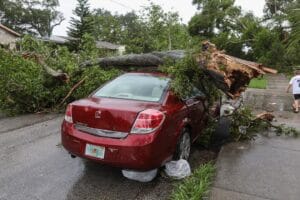
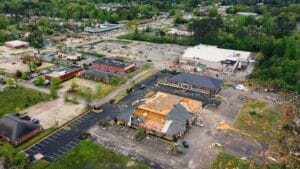
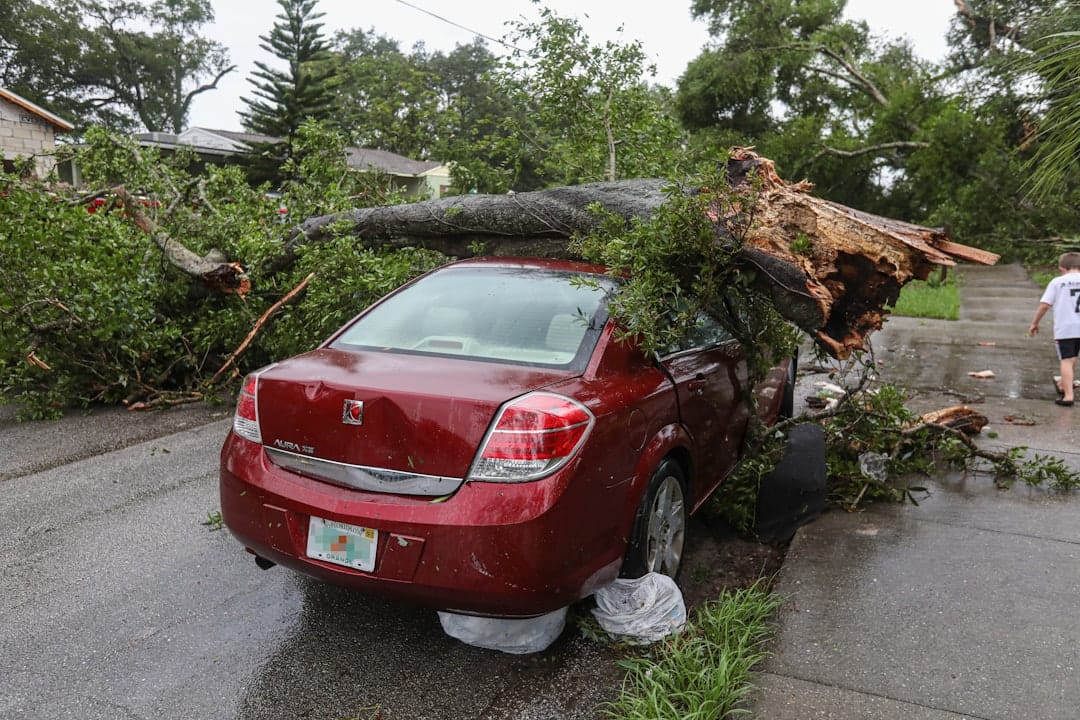
Commercial storm damage is one of the most disruptive and costly events a business owner can face. Storms don’t just break windows and tear off shingles — they halt operations, drive away customers, and trigger a chain of expensive secondary problems like mold, structural shifting, and electrical hazards.
Here’s a quick overview of what commercial storm damage involves:
| Storm Type | Common Damage to Commercial Properties |
|---|---|
| High winds | Roof membrane tears, flashing failure, siding loss |
| Hail | Metal roof denting, microfractures, HVAC damage |
| Heavy rain & flooding | Water intrusion, subfloor damage, mold growth |
| Tornadoes | Structural compromise, shattered windows, debris impact |
| Winter storms | Frozen pipes, ice dams, roof collapse from snow load |
| Power outages | Equipment loss, refrigeration failure, business interruption |
The biggest risk isn’t always the storm itself — it’s the secondary damage that compounds quietly in the hours and days after. Water finds its way through a cracked flashing joint. A small membrane tear becomes a flooded ceiling. A seemingly cosmetic hail dent starts rusting through a metal panel months later.
For business owners in Northwest Arkansas, this is not a distant threat. The region faces a full menu of severe weather year-round — from summer tornadoes and violent thunderstorms to winter blizzards and frozen pipes. Our commercial roofing services are built specifically around these regional risks.
I’m Rex Wisdom, owner of Heritage Roofing & Repair, a family-owned business with over 50 years of collective experience helping commercial property owners in Berryville and surrounding Northwest Arkansas communities recover from commercial storm damage. In that time, I’ve seen how fast a storm-damaged roof can escalate from a manageable repair into a full business crisis — and I’ve built this guide to help you stay ahead of it.
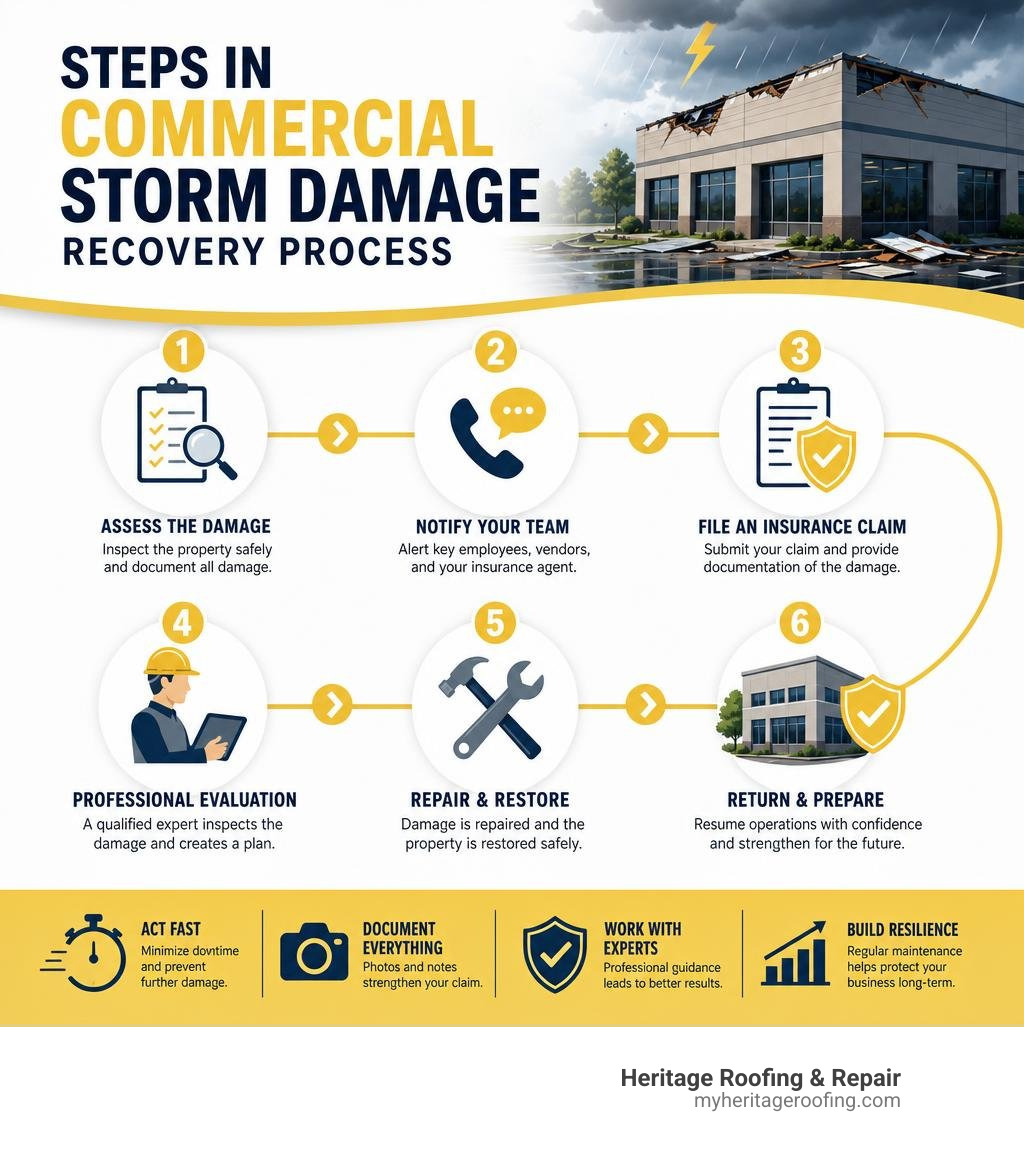
Basic commercial storm damage glossary:
Understanding the Impact of Commercial Storm Damage
When severe weather sweeps through Northwest Arkansas, commercial properties face intense physical stress. Unlike residential homes, commercial buildings often feature low-slope or flat roofing systems, large footprints, and complex mechanical equipment housed directly on the roof. These architectural differences mean that commercial storm damage presents a unique set of structural and operational challenges.
The primary physical forces that damage commercial structures during a storm include:
- Wind Uplift: High-velocity winds create a pressure differential as they blow over a flat roof. This vacuum-like effect pulls upward on the roofing membrane. If the perimeter coping, edge metal, or flashing is slightly loose, the wind can peel the membrane back, leaving the underlying roof deck completely exposed to subsequent rainfall.
- Hail Microfractures: On single-ply membranes like TPO or EPDM, hail impacts can fracture the internal scrim or create microscopic cracks. On metal roofing, hail creates dents that break the protective galvanized finish, exposing raw steel to oxygen and water, which accelerates rust and corrosion.
- Water Intrusion: Once the building envelope is breached, water quickly migrates through insulation boards, pooling on concrete or wood subfloors.
- Structural Compromise: The weight of ponding water, fallen trees, or heavy winter snow can exceed the load-bearing capacity of commercial roof trusses, leading to bowing or total roof collapse.
The reality of these weather patterns is clear. For instance, overnight storms cause damage in Northwest Arkansas with sudden straight-line winds and rapid rainfall that put immediate stress on localized commercial facilities. When these storms strike, a delay in identifying the damage can translate directly into costly operational downtime.
Common Types of Commercial Storm Damage
Commercial roofing systems react differently to storm forces depending on their material composition. Understanding what specific vulnerabilities your roof has is key to mitigating loss. The table below outlines the primary types of damage, their causes, and their short- and long-term impacts:
| Damage Type | Primary Cause | Immediate Structural Impact | Long-Term Operational Threat |
|---|---|---|---|
| Membrane Tears | Wind uplift, flying debris | Saturated roof insulation, active leaks | Mold growth, ruined ceiling tiles, inventory loss |
| Metal Denting | Severe hail | Fractured protective finishes, ponding | Accelerated rust, structural metal failure |
| Ponding Water | Blocked drains, heavy rain | Severe structural dead-weight stress | Roof deck bowing, sudden interior collapse |
| Flashing Failure | High wind, HVAC shifting | Water entry at roof penetrations | Electrical short circuits, wall cavity rot |

Understanding these vulnerabilities is a crucial step in proactive facility management. For a deeper look at how various materials hold up, you can review this guide on Commercial Roof Storm Damage Repair | Hail & Wind, WI/MN to understand how wind and hail impact single-ply and metal systems.
How to Identify Hidden Commercial Storm Damage
Not all storm damage is immediately obvious. In fact, some of the most destructive leaks don’t show up inside the building until months after the storm has passed. This is because water can travel horizontally along roof decks and structural beams before dripping down into your workspace.
To catch these silent threats before they destroy your interior assets, we utilize advanced diagnostic technology:
- Infrared Cameras & Thermal Imaging: Wet roof insulation retains heat longer than dry insulation. By scanning the roof surface with infrared cameras after sunset, we can pinpoint exact pockets of trapped moisture beneath an apparently undamaged membrane.
- Moisture Mapping: Using specialized electronic moisture meters, we map the spread of water beneath the surface to determine whether a localized patch or a full section replacement is required.
- Subfloor Integrity Checks: We evaluate whether wood, concrete, or gypsum roof decks have begun to rot, soften, or lose their fastener-holding strength due to water saturation.
This scientific approach is vital, especially following events like when thunderstorms hit Northwest Arkansas, cause damage, leaving thousands without power and leaving commercial properties vulnerable to hidden water intrusion. Identifying these hidden issues early ensures you don’t miss the strict filing windows mandated by commercial insurance carriers.
Immediate Steps to Secure Your Property After a Disaster
If your commercial property has been hit by a severe storm, your first priority is safety, followed immediately by asset protection. Taking swift action prevents secondary damage—like mold growth or structural shifting—which can easily double the cost of your recovery.
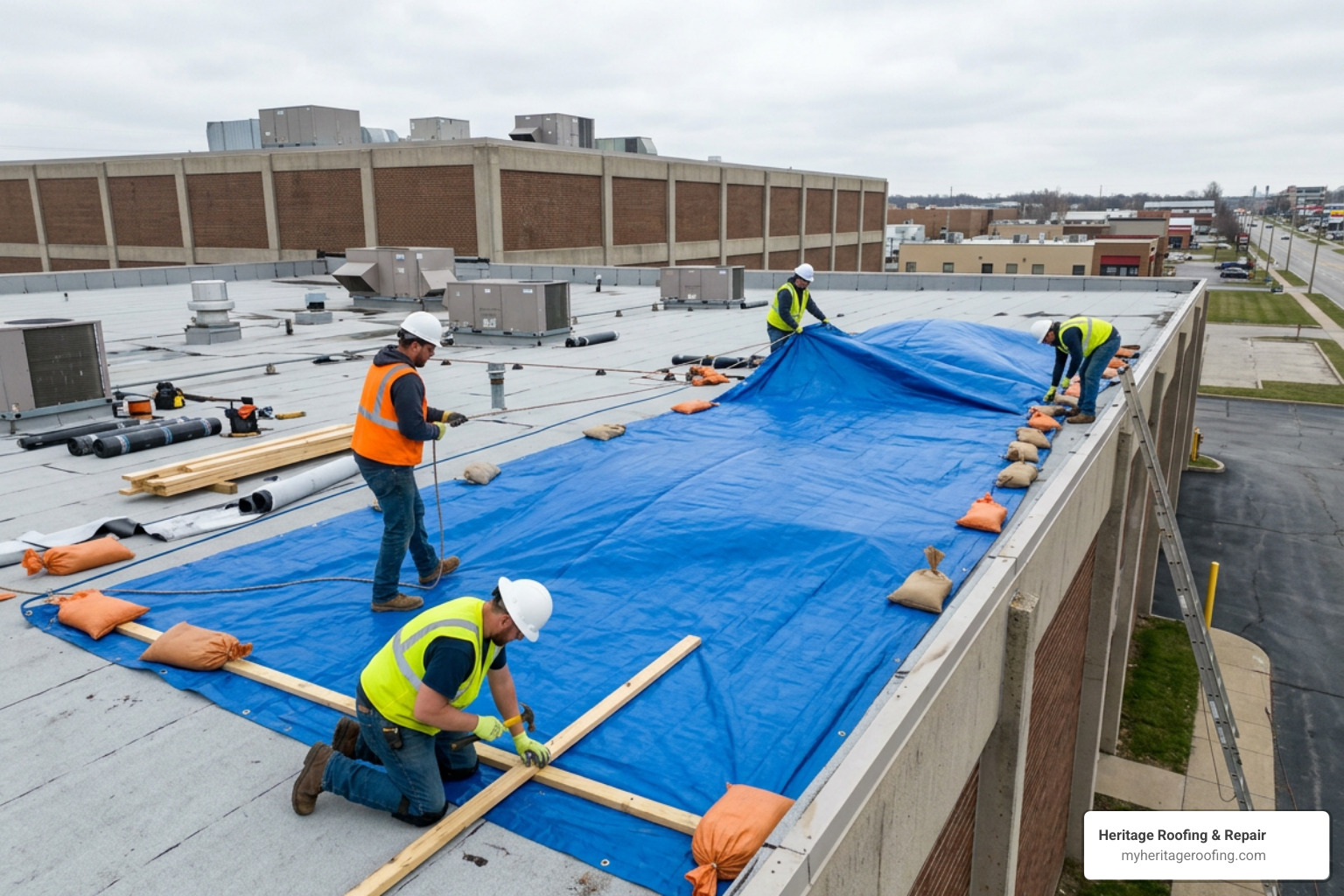
Here are the immediate steps you should take to secure your property:
- Ensure Life Safety: Verify that all employees, tenants, and customers are safe. If you suspect structural damage or gas leaks, evacuate the building immediately and contact emergency services.
- Mitigate Further Damage: Commercial property policies require the policyholder to take reasonable steps to prevent further damage. This is where emergency stabilization comes in.
- Emergency Roof Tarping & Board-Up: Cover exposed roof sections with heavy-duty, reinforced tarps or temporary EPDM membranes. Board up broken windows and damaged doors to secure the building envelope against rain, wildlife, and vandals.
- Isolate Electrical Hazards: If water is actively leaking near electrical panels, server rooms, or heavy machinery, shut off the breakers only if it is completely safe to do so.
- Establish Site Containment: Set up temporary perimeter fencing to prevent unauthorized access and limit liability if structural elements are unstable.
By acting fast to secure your building, you protect your inventory, keep your tenants safe, and demonstrate to your insurance company that you are actively working to minimize the loss. For a step-by-step breakdown of how to handle these immediate physical threats, refer to our comprehensive guide on Dealing with Commercial Roof Damage.
Navigating the Insurance Claims Process
Filing a commercial insurance claim is vastly different from filing a residential one. Commercial policies are highly complex, often featuring separate deductibles for wind and hail, and requiring meticulous proof of loss.
To ensure your claim is approved and fully funded, you must understand the distinction between storm-induced damage and general wear and tear. Insurance adjusters will carefully inspect your roof for pre-existing maintenance issues. If they find clogged drains, rusted flashings, or old, unaddressed leaks, they may deny a portion of your claim, attributing the damage to a lack of routine maintenance rather than the storm itself.
To protect your business, keep detailed records of all roof inspections, maintenance work, and repairs performed prior to the storm. This establishes a clear baseline of your roof’s pre-storm condition, making it much harder for the insurer to claim the damage is simply “wear and tear.” For a detailed roadmap on how to prepare your documentation, read our Commercial Roof Insurance Claims Guide.
Documenting Commercial Storm Damage for Claims
When it comes to insurance claims, documentation is your most powerful tool. You must be able to prove exactly what damage occurred, when it happened, and how it relates to a specific weather event.
- Take Comprehensive Photos and Videos: Document every inch of visible damage inside and outside the building. Capture close-up shots of dented metal, torn membranes, and water stains, as well as wide shots showing the overall context.
- Coordinate with Local Weather Data: Match your documentation to the exact date and time of the storm. Insurance companies rely on radar-backed meteorological reports to verify that hail or damaging winds actually occurred at your address.
- Utilize Aerial Drone Mapping: For large commercial roofs, drones equipped with high-resolution cameras can safely map the entire surface, capturing clear evidence of wind uplift, displaced coping caps, and debris impact.
The importance of rapid, accurate documentation is clear when reviewing local disaster recovery efforts. For example, when Harrison County sees harsh storm damage; woman recalls … , having immediate, dated photographic proof of the surrounding destruction helps local businesses validate the severity of the wind forces that impacted their own structures.
Choosing the Right Restoration Contractor
When your business is on the line, you cannot afford to hire “storm chasers” who show up with a truck and a ladder but lack the specialized equipment, safety certifications, and commercial-grade licensing required for large-scale recovery.
When selecting a commercial restoration and roofing contractor, look for these essential qualifications:
- Proper Licensing, Bonding, and Insurance: Ensure the contractor carries substantial commercial general liability insurance and worker’s compensation. This protects your business from liability if an accident occurs on your property.
- Strict Safety Compliance: Commercial roof repairs often require working around high-voltage equipment, heavy machinery, and compromised structural decks. Your contractor must strictly enforce OSHA safety standards, including 100% tie-off protocols for all crew members.
- Experience with Complex Commercial Systems: Residential roofing techniques do not translate to flat TPO, PVC, EPDM, or built-up roofing systems. Choose a partner with a proven track record of successful commercial installations and repairs.
- Local Trust and Accountability: Working with a local, community-trusted contractor ensures they will be there to honor their warranties long after the storm chasers have moved on to the next state.
At Heritage Roofing & Repair, we specialize in helping Northwest Arkansas businesses navigate the complex path from initial storm damage to complete structural recovery. We coordinate directly with your insurance adjuster, provide detailed digital damage reports, and execute repairs with minimal disruption to your daily operations. Whether you need a localized repair or a complete system replacement, our Commercial Roof Repair team is ready to respond.
For reliable, local service, you can reach our team directly or visit our main office in Berryville:
Heritage Roofing & Repair
3458 Arkansas State Hwy 221, Berryville, AR 72616
Phone: (870) 654-1164
Frequently Asked Questions
How long does the restoration process take?
The timeline for commercial storm restoration depends entirely on the project scope, the extent of the water intrusion, and whether structural reconstruction is required.
A minor repair, such as patching a localized TPO tear or replacing a few runs of edge metal, can often be completed in one to two days. However, if a storm has caused widespread water intrusion, the structural drying and dehumidification phase alone can take three to five days. Complete roof replacements or complex structural rebuilds may take several weeks, but a professional contractor will structure the project in phases to minimize downtime and keep your business operational.
Is storm damage covered by commercial property insurance?
Yes, physical damage caused by sudden, accidental wind, hail, lightning, or storm-driven water is typically covered by standard commercial property insurance policies.
However, coverage is contingent upon the property owner maintaining the building to a reasonable standard prior to the storm. If an adjuster determines that water entered the building due to years of neglected maintenance, old rusted flashing, or unaddressed wear and tear, your claim may be partially or fully denied. Regular inspections are your best defense against these denials.
Why is DIY cleanup not recommended for commercial properties?
Attempting to handle commercial storm cleanup on your own poses severe safety hazards and can compromise your building’s structural integrity.
Commercial structures feature complex electrical systems, heavy rooftop machinery, and high-elevation work areas that require specialized safety gear and OSHA-compliant training. Furthermore, without industrial-grade water extraction pumps, thermal imaging cameras, and high-capacity dehumidifiers, it is nearly impossible to completely dry out subfloors and wall cavities. Leaving even small pockets of moisture behind leads to rapid mold colonization, structural wood rot, and a compromised indoor air quality that can expose your business to severe liability issues.
Conclusion
Recovering from commercial storm damage requires a strategic, proactive approach. By understanding your roof’s vulnerabilities, securing the property immediately after a disaster, and maintaining detailed maintenance records, you can protect your physical assets and dramatically reduce business downtime.
Don’t wait for the next severe weather system to test the integrity of your building envelope. If you suspect your property has sustained wind, hail, or water damage, contact us today to schedule a professional, high-resolution assessment. Our team at Heritage Roofing & Repair is here to provide the dependable, high-quality Storm Damage Roof Repair services your business needs to stay dry, secure, and open for business.