Your Roof is More Than a Cover—It’s a Critical Business Asset
Roofing for commercial buildings is one of the most significant investments you’ll make in your property, acting as the first line of defense against the elements and playing a crucial role in your building’s energy efficiency and structural integrity. Whether you’re managing a warehouse, retail space, office building, or multi-family property, understanding your roofing options can save you thousands of dollars and prevent costly business disruptions.
Key commercial roofing systems include:
- Single-Ply Membranes (TPO & EPDM) – TPO leads the market with 40% of new construction, while EPDM captures 22-26% market share
- Metal Roofing – Lasts 30-50 years with excellent durability and weather resistance
- Modified Bitumen & Built-Up Roofs – Proven systems offering 15-25 year lifespans with strong puncture resistance
- Roof Coatings & Restoration – Cost-effective solutions that extend roof life 12-15 years at 30-50% less than replacement cost
The roof market has grown considerably over the past 40 years. Single-ply membranes alone have expanded exponentially, with TPO now representing about 50% of that segment. Built-Up Roofing systems have served North America for over 100 years, while newer technologies like liquid-applied coatings are becoming increasingly popular for extending roof life and reducing the need for complete tear-offs.
Making an informed decision is vital for protecting your commercial investment and ensuring long-term performance. This guide breaks down everything property owners in areas like Fayetteville, AR need to know about selecting, maintaining, and managing their commercial roofing systems.
I’m Rex Wisdom, Owner of Heritage Roofing & Repair, where my family has provided expert roofing for commercial buildings across Northwest Arkansas for over 50 years. We specialize in everything from flat roofing systems and TPO installations to roof restoration and emergency repairs, helping business owners make smart decisions that protect their properties and their bottom line.
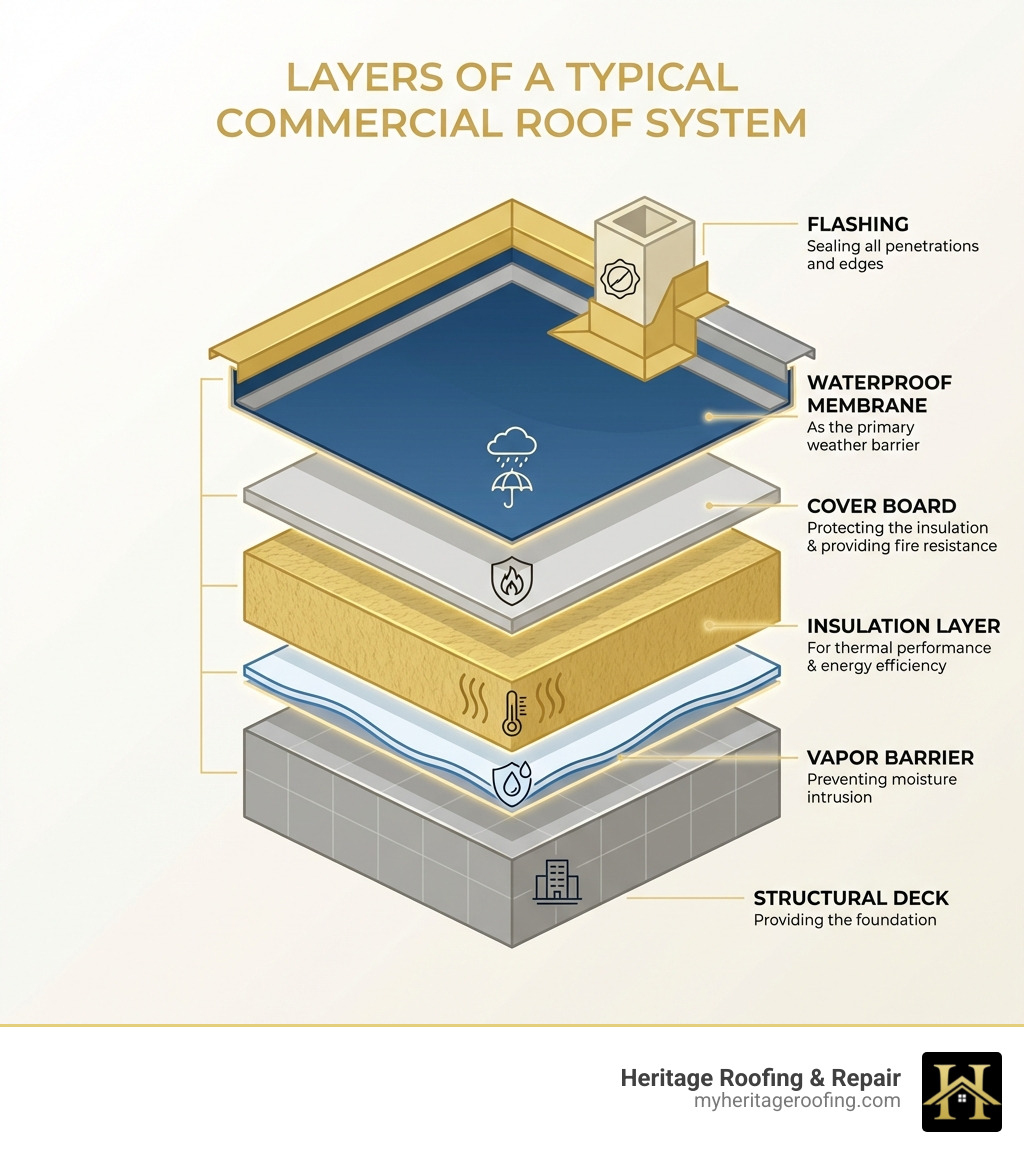
Simple guide to roofing for commercial buildings:
Decoding Your Options: A Comparison of the Top Commercial Roofing Materials
Choosing the right material is the foundation of a long-lasting roof. With options growing considerably over the last 40 years, understanding the pros and cons of each is essential. TPO roofing currently dominates the market, holding a 40% share in new construction, but other materials offer unique benefits depending on your building’s specific needs. At Heritage Roofing & Repair, we offer comprehensive commercial roofing services custom to meet the diverse demands of businesses in Berryville, Fayetteville, and Harrison, AR.
Single-Ply Membranes (TPO & EPDM)
Single-ply membranes are flexible sheets of compounded synthetic materials manufactured in a factory to strict quality control requirements. They provide strength, flexibility, and long-lasting durability, making them a popular choice for low-slope commercial roofs.
- TPO (Thermoplastic Polyolefin): This material is the low-slope market leader, garnering a 40 percent share of the new construction market and 30 percent of the reroofing market. TPO has quickly grown to make up about 50% of the single-ply market. It’s a thermoplastic, meaning its seams are heat-welded, creating a strong, monolithic, waterproof bond. TPO is celebrated for its energy efficiency, especially in lighter colors, which reflect sunlight and reduce cooling costs. Its durability and puncture resistance are also significant advantages.
- EPDM (Ethylene Propylene Diene Monomer): Often referred to as “rubber roofing,” EPDM is a thermoset membrane, meaning it’s compounded from rubber polymers. It follows TPO closely in popularity, capturing 22 percent of market share for new construction and 26 percent of the reroofing market. EPDM is known for its exceptional durability, weather resistance, and flexibility, making it ideal for various climates, including the fluctuating temperatures we experience in Northwest Arkansas. It’s typically installed using mechanical fasteners or fully adhered with adhesive. For more information on installation, refer to our EPDM Roof Installation Complete Guide.
Both TPO and EPDM adhere to Single Ply Roofing Industry (SPRI) standards, ensuring quality and performance.
Metal Roofing
Metal roofing is one of the world’s oldest roofing systems, with historical uses dating back to ancient Rome. Today, it’s a preferred low-slope roof covering for commercial, institutional, and industrial buildings due to its robust characteristics.
- Lifespan & Durability: Metal roofing can last 30 to 50 years, depending on the type and maintenance, with some high-end options like copper lasting up to 100 years. This longevity is a testament to its inherent durability and weather resistance against cracking, shrinking, and warping.
- Weather Resistance: It stands up exceptionally well to harsh weather, including high winds, hail, and fire, which is a significant advantage in areas prone to severe storms.
- Recyclability: Metal roofs are often 100% recyclable and can be made from recycled materials, contributing to sustainability efforts.
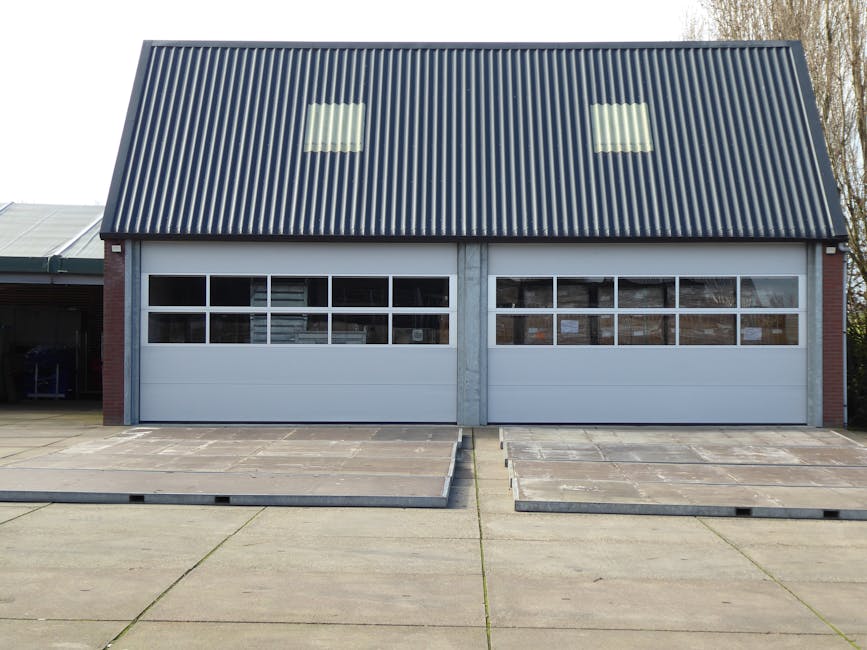
- Types: Common types include Standing Seam (panels joined by raised seams, offering excellent weatherproofing) and Corrugated Panels (more economical, often used for industrial buildings).
- Cost: While metal roofing systems can have a much higher upfront investment than other flat roofing solutions, their long lifespan and low maintenance often result in a lower lifecycle cost. The Metal Construction Association (MCA) resources provide further insights into these durable systems.
Asphaltic Roofing (Modified Bitumen & Built-Up Roofs)
Asphaltic roofing systems, including Modified Bitumen and Built-Up Roofing, are among the oldest and most trusted types, offering reliable protection for commercial properties.
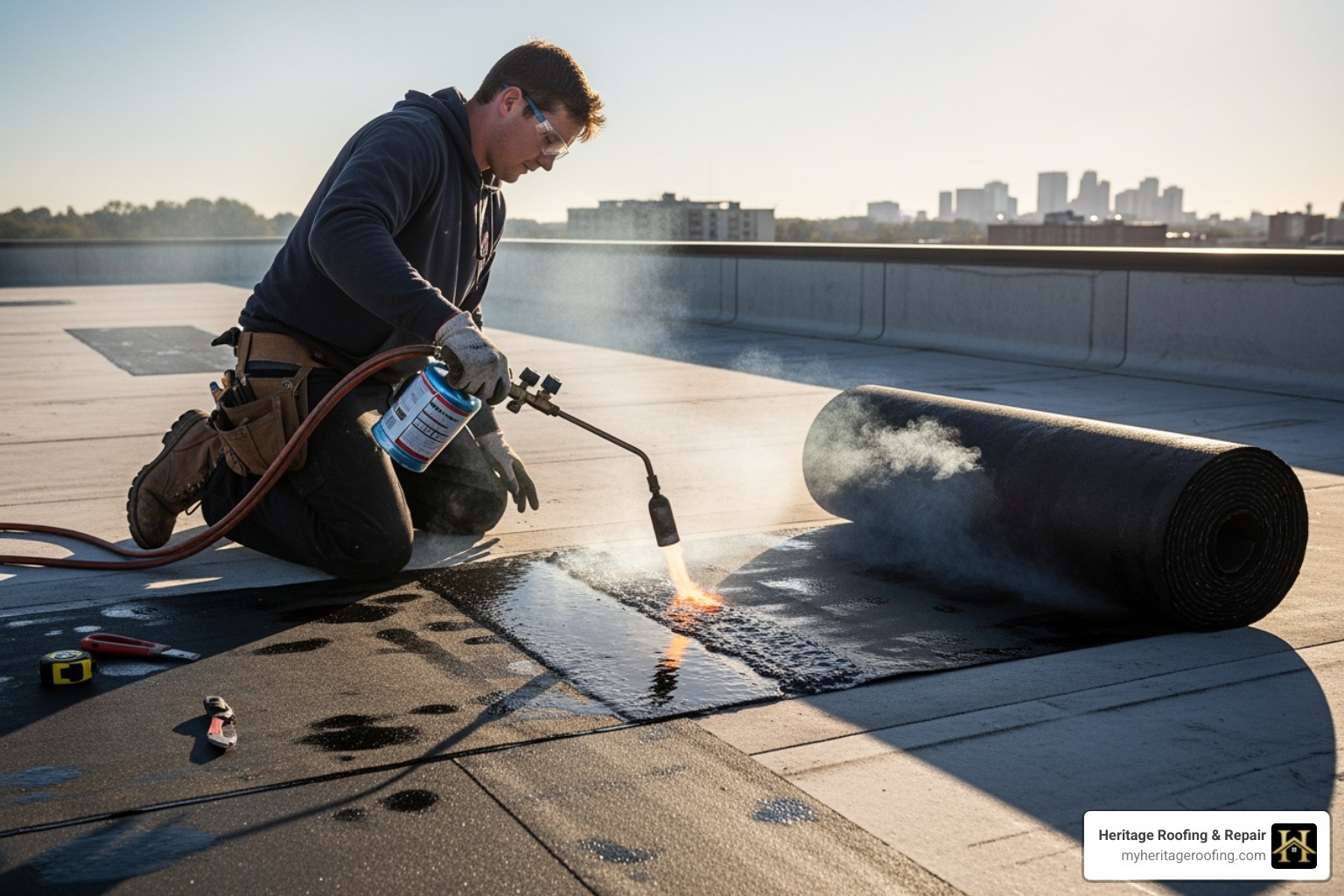
- Modified Bitumen (Mod-Bit): This system uses factory-fabricated layers of asphalt modified with rubber (SBS) or plastic (APP) to improve flexibility and durability. Mod Bit is in third place for market share at 12.4 percent of the new construction market and 14 percent of the reroofing market. It’s typically installed as a two- or three-ply system. The “torch-on” application, where membranes are heat-welded with a propane torch, creates a tight, waterproof seal, though cold-applied and self-adhered options are also available. Torch-on roofs offer an impressive lifespan of 15 to 25 years.
- Built-Up Roofing (BUR): Often called “tar and gravel” roofing, BUR systems have been popular in North America for more than 100 years. They consist of alternating layers of bitumen (asphalt) and roofing felts, topped with a layer of gravel or coating. This multi-ply construction offers excellent waterproofing, redundancy, and durability, especially for roofs with high foot traffic. Its robust nature makes it a reliable choice for many commercial applications.
Both systems provide excellent durability and puncture resistance, making them suitable for commercial buildings where foot traffic or equipment might be present on the roof.
[TABLE] Comparing Commercial Roofing Materials
| Material Type | Average Lifespan | Typical Cost ($-$$$$) | Key Advantages | Key Disadvantages |
|---|---|---|---|---|
| TPO | 20-30 years | $$-$$$ | Energy-efficient, durable, heat-welded seams, good puncture resistance | Can be susceptible to UV degradation in some formulations, less flexible in extreme cold |
| EPDM | 20-30 years | $$-$$$ | Flexible, weather-resistant, durable, easy to repair, UV resistant | Dark color absorbs heat (though white is available), less aesthetic appeal |
| Metal | 30-50+ years | $$$-$$$$ | Highly durable, long lifespan, fire-resistant, recyclable, energy-efficient (cool roofs), aesthetic | High upfront cost, can be noisy during rain/hail, prone to denting |
| Mod-Bit | 15-25 years | $$-$$$ | Durable, good puncture resistance, flexible, good for low-slope roofs | Torch-on installation requires skilled labor and safety precautions, can be heavy |
Critical Factors in Selecting Roofing for Commercial Buildings
Your choice of roofing for commercial buildings shouldn’t be made in a vacuum. Several external factors will dictate the best system for your property, influencing everything from long-term costs to regulatory compliance.
How Climate and Building Use Shape Your Choice
The environment your building operates in and its specific function play a huge role in material selection. Here in Northwest Arkansas, we experience a range of weather conditions, from hot, humid summers to cold winters, and occasional severe storms with high winds and hail.
- Weather Resistance: For regions like ours, materials that offer superior resistance to heavy rain, strong winds, and hail are paramount. The IBHS Commercial Roof Best Practices Guide provides excellent insights, recommending Class 4 rated products for asphalt shingles and metal panels when dealing with hail. For high winds, sealed roof decks and specific attachment methods are crucial.
- UV Exposure: Intense sunlight can degrade many roofing materials over time. Reflective materials or those with strong UV inhibitors will perform better.
- Foot Traffic & Chemical Exposure: If your roof has frequent maintenance access, rooftop equipment, or is near industrial processes that emit chemicals, you’ll need materials with high durability and chemical resistance (e.g., PVC).
- HVAC Equipment: The presence and placement of heavy HVAC units can influence material choice and require robust support structures. The IBHS also highlights that placing HVAC units away from the edge of the roof can make maintenance safer.
- Hail Impact & Wind Uplift: Our area can see significant hail. We recommend products with UL 2218 or FM 4473 Class 4 impact ratings for improved hail protection. For wind resistance, designs must meet ASCE 7 standards for minimum design loads, and features like peel-stops for single-ply membranes are critical. We adhere to IBHS best practices for storm resistance to ensure your roof is ready for anything Mother Nature throws its way.
The Role of Energy Efficiency and “Cool Roofs”
Beyond protection, your commercial roof can significantly impact your building’s operational costs. Energy-efficient roofing systems can lead to substantial savings on heating and cooling bills.
- R-Value & Insulation: The R-value measures a material’s resistance to heat flow. Proper insulation, often polyisocyanurate (polyiso), is a vitally important component in roof systems for energy conservation, helping to keep heat in during winter and out during summer.
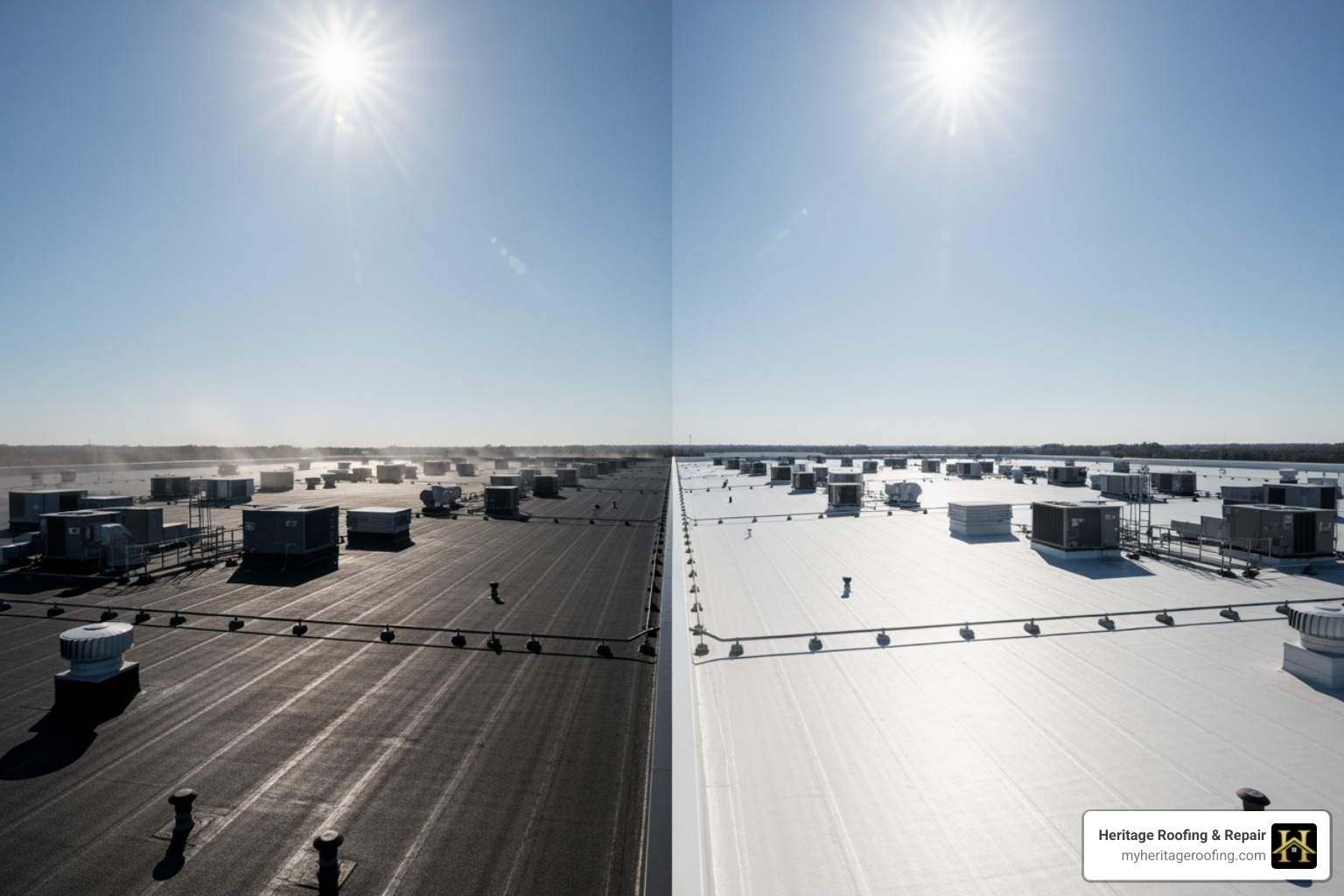
- Reflectivity (Solar Reflectance) & Emissivity: “Cool roofs” are designed to reflect more sunlight and absorb less heat than standard roofs. This is achieved through high solar reflectance (the ability to reflect solar energy) and high thermal emissivity (the ability to release absorbed heat). TPO, especially in white, is a prime example of a reflective cool roof material.
- Energy Savings: By reducing the heat absorbed by the roof, cool roofs lower the temperature inside the building, decreasing the demand for air conditioning. This directly translates to lower energy bills and a more comfortable indoor environment. The Cool Roof Rating Council (CRRC) provides valuable data on the radiative properties of roofing products. Learn more about Energy Efficient Roofing and how it can benefit your bottom line.
Navigating Local Building Codes and Regulations
Compliance with local building codes and regulations is not just a legal requirement; it’s essential for the safety and longevity of your commercial roof.
- Fire Ratings: Commercial roofs must meet specific fire ratings (e.g., Class A) to ensure the safety of occupants and the building structure. These ratings often apply to the entire roof assembly, not just the top layer.
- Wind Resistance Codes: Local codes in areas like Berryville, Fayetteville, and Harrison, AR, will specify wind uplift requirements based on factors like building height and exposure. We ensure all our installations meet or exceed these standards, often referencing ASCE 7 for minimum design loads.
- Drainage Requirements: Proper drainage is critical to prevent ponding water, which can prematurely age a roof and lead to leaks. Codes often dictate minimum slope requirements and the design of drainage systems.
- Permitting: Obtaining the necessary permits before any commercial roofing work begins is crucial for ensuring compliance and avoiding potential fines or rework.
- Professional Compliance: A reputable contractor understands and adheres to all these regulations. The National Roofing Contractors Association (NRCA) is an excellent resource for industry standards and best practices.
The Roof Lifecycle: Repair, Restore, or Full Replacement?
Every commercial roof requires attention over its lifecycle. Deciding between a simple repair, a restorative coating, or a full replacement is a critical financial decision that can prevent operational downtime. A professional roof inspection is the essential first step to determine the correct course of action.
Assessing Your Roof’s Condition: When to Call a Pro
It’s tempting to ignore minor issues, but small problems can quickly escalate into major headaches. We recommend annual inspections and after any major storm events to catch small issues before they become costly problems.
- Leak Detection: Obvious signs of water intrusion inside your building are clear indicators. However, subtle leaks can go unnoticed, causing hidden damage.
- Membrane Damage: Cracks, punctures, tears, or blistering on single-ply or asphaltic membranes compromise their integrity.
- Flashing Failures: The areas around penetrations (vents, pipes, HVAC units) and edges are common points of failure. Damaged or deteriorated flashing is a red flag.
- Ponding Water: Water that remains on the roof for more than 48 hours is detrimental to its lifespan and can indicate drainage issues or structural sagging.
- Core Sampling: For a deeper diagnosis, especially when considering restoration versus replacement, core samples can reveal the condition of underlying insulation and deck.
- Age of Roof: While lifespans vary by material, an aging roof nearing the end of its projected life is always a candidate for assessment.
If you observe any of these issues, it’s time to call a professional. Our comprehensive inspections will help determine the best course of action. For more in-depth information, check out Beyond The Leak: Everything You Need To Know About Commercial Roof Repair.
The Case for Roof Restoration
If your commercial roof is structurally sound but showing signs of wear, a restoration project can be a game-changer. This involves applying a waterproof and durable coating onto the existing roof, offering a range of benefits.
- Cost Savings: The average cost of a commercial roof restoration project is 30-50% less than the replacement price. This is a significant financial incentive for many businesses.
- Extends Lifespan: A commercial roof after restoration can last for an additional 12-15 years, effectively giving your existing roof a second life.
- Roof Coatings: Various types of coatings, such as elastomeric, acrylic, silicone, and urethane, can be applied. These not only seal and protect but can also improve the roof’s properties. For instance, white silicone coatings are highly reflective and resistant to ponding water.
- Improved Energy Efficiency: Many restoration coatings are “cool roof” compliant, reflecting solar radiation and reducing heat absorption, which leads to lower cooling costs.
- Minimized Disruption: Restoration projects typically involve less noise, debris, and operational interruption compared to a full tear-off and replacement.
It’s a smart, sustainable option for many commercial property owners. Find more with our Commercial Roof Coating Guide.
Knowing When a Full Roof Replacement is Unavoidable
While restoration offers fantastic benefits, there are times when a full roof replacement is the only viable option.
- Widespread Damage: If the roof membrane is severely compromised across a large area, with extensive cracking, tearing, or blistering that cannot be effectively patched or coated.
- Saturated Insulation: When the roof’s insulation layer is saturated with water due to prolonged leaks, its thermal performance is destroyed, and it can contribute to structural issues. Core sampling helps identify this.
- Multiple Existing Roof Layers: Building codes often limit the number of roof layers allowed. If your roof already has two or more layers, a full tear-off and replacement will likely be required.
- Structural Issues: If the underlying roof deck or supporting structure is severely damaged, sagging, or compromised, a new roof system cannot be installed without addressing these fundamental problems first.
- Long-Term Investment: Sometimes, a business owner simply wants the peace of mind and extended lifespan that comes with a brand-new roof system, especially if they plan to own the property for many years.
The Non-Negotiables: Professional Installation, Safety, and Warranties
The highest quality materials will fail if not installed correctly. Partnering with a certified and experienced contractor is the single most important factor in the long-term success of your commercial roof.
Why Professional Installation of roofing for commercial buildings Matters
Installing roofing for commercial buildings is a complex process that requires specialized skills, knowledge, and equipment. This isn’t a DIY job, and cutting corners here can lead to disastrous, costly consequences.
- Manufacturer Specifications: To ensure your warranty remains valid and the roof performs as intended, materials must be installed precisely according to the manufacturer’s guidelines. Professionals are trained in these specific requirements.
- Workmanship Quality: Experienced roofers understand the nuances of each material, ensuring proper adhesion, secure fastening, and durable seams that prevent leaks.
- Watertight Seams: For single-ply membranes, properly heat-welded or adhered seams are the first line of defense against water intrusion. Poorly executed seams are a common cause of leaks.
- Proper Flashing: Flashing around all penetrations, edges, and transitions is critical. It’s often the most challenging part of a roof installation and where many leaks originate if done incorrectly.
- Preventing Future Leaks: Professional installation minimizes the risk of defects and vulnerabilities, saving you from future headaches and expensive repairs.
When you find a certified roofing contractor, you’re investing in expertise and peace of mind.
Safety and Finding a Trusted Local Contractor
Safety on a commercial rooftop during installation and maintenance is paramount, both for the workers and for your property. An experienced, reputable local contractor will prioritize safety and adhere to strict protocols.
- Worker Safety: Professional crews are trained in Occupational Safety and Health Administration (OSHA) regulations and use proper fall protection, safety harnesses, and equipment to prevent accidents.
- Site Protection: A responsible contractor will protect your property, landscaping, and the surrounding areas from debris and damage during the project.
- Insurance and Licensing: Always verify that your contractor is fully licensed and carries comprehensive general liability and workers’ compensation insurance. This protects you from financial responsibility in case of accidents or damage.
- Local Reputation: For businesses in Berryville, Fayetteville, or Harrison, AR, choosing a local contractor like us means you’re working with a team that understands local climate challenges, building codes, and has a vested interest in the community. We’ve built our reputation over 50 years on trust and quality.
- Storm Damage Expertise: Given the propensity for severe storms in our region, it is critical to partner with a contractor experienced in all aspects of commercial roofing and navigating complex insurance claims for storm damage.
Here at Heritage Roofing & Repair, we’re proud to serve our local communities.
Heritage Roofing & Repair
3458 Arkansas State Hwy 221, Berryville, AR 72616
(870) 654-1164
Understanding Commercial roofing for commercial buildings Warranties
A warranty is your protection and peace of mind. It’s crucial to understand the different types and what they cover for your roofing for commercial buildings.
- Manufacturer Warranty (Material Defects): This warranty covers defects in the manufacturing of the roofing materials themselves. Coverage duration can vary significantly, with some single-ply systems offering guarantees up to 30 years, though a limited 10-year warranty is common for many commercial roofing systems.
- Contractor Warranty (Workmanship): This warranty covers the installation and related issues. Many contractors offer one or two years of coverage for workmanship. A reputable contractor will stand behind their work.
- NDL (No Dollar Limit) Warranties: These are comprehensive warranties, typically offered by manufacturers, that cover both materials and labor without a monetary cap for repairs or replacement due to covered defects. They are often contingent on using approved installers and strict adherence to specifications.
- Exclusions: Always read the fine print! Warranties often have exclusions for damage due to natural disasters (unless specified), improper maintenance, unauthorized repairs, or structural movement of the building.
Understanding the details of your Roofing Warranty ensures you’re protected for the long haul.
Frequently Asked Questions about Commercial Roofing
What is the most common type of commercial roofing?
The most common type of commercial roofing in North America is TPO (Thermoplastic Polyolefin), a single-ply membrane known for its energy efficiency, durability, and cost-effectiveness. According to industry surveys, TPO holds approximately 40% of the new construction market and 30% of the reroofing market. EPDM is a close second, capturing 22% of new construction and 26% of reroofing.
How long should a commercial roof last?
The lifespan of a commercial roof varies significantly by material. A Modified Bitumen roof may last 15-25 years, while a well-maintained Metal roof can last 30-50 years or more (with copper lasting up to 100 years). Single-ply membranes like TPO and EPDM typically last 20-30 years. Fiberglass roofing can last up to 40 years. Regular, professional roof maintenance is the single most important factor in maximizing a roof’s lifespan and ensuring it reaches its full performance potential.
How much does a new commercial roof cost?
Commercial roofing costs are typically calculated per square foot and can range from $5 to $25+ depending on the material chosen, the complexity of the building, the specific location (labor rates in Berryville, Fayetteville, or Harrison, AR, for instance), and whether a full tear-off of an existing roof is required. Roof restoration is a more affordable option, often costing 30-50% less than a full replacement, and can extend the roof’s life by 12-15 years. For an accurate price custom to your specific commercial property, you’ll need a professional commercial roof repair estimate from a qualified contractor.
Secure Your Investment with an Expert Roofing Partner
Your commercial roof is a complex system vital to your business’s protection and financial health. From selecting the right materials like TPO or metal to deciding between restoration and replacement, every choice has long-term consequences. The most critical decision is choosing a qualified, experienced, and trustworthy roofing partner to guide you through the process. A professional ensures your roof is compliant, safe, and built to last, safeguarding your property for decades to come. Ready to protect your business? Learn more about our commercial roofing services in Fayetteville, AR.