When Your Roof Takes a Hit: How to File a Home Insurance Claim for Roof Repair
Filing a home insurance claim for roof repair is one of the most common — and most mishandled — interactions homeowners have with their insurance company. Here’s the short version of what you need to know:
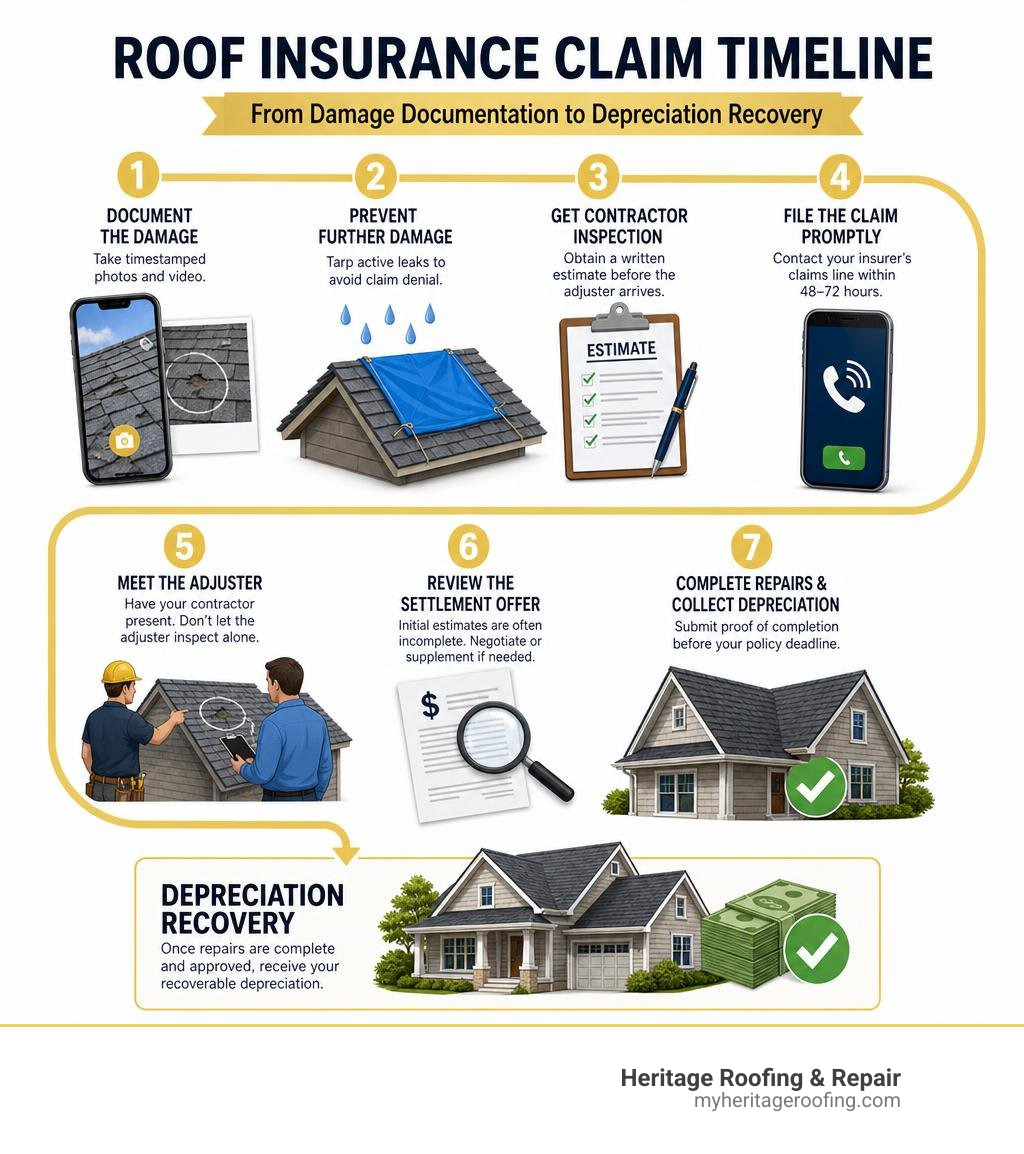
How to file a roof repair insurance claim (quick overview):
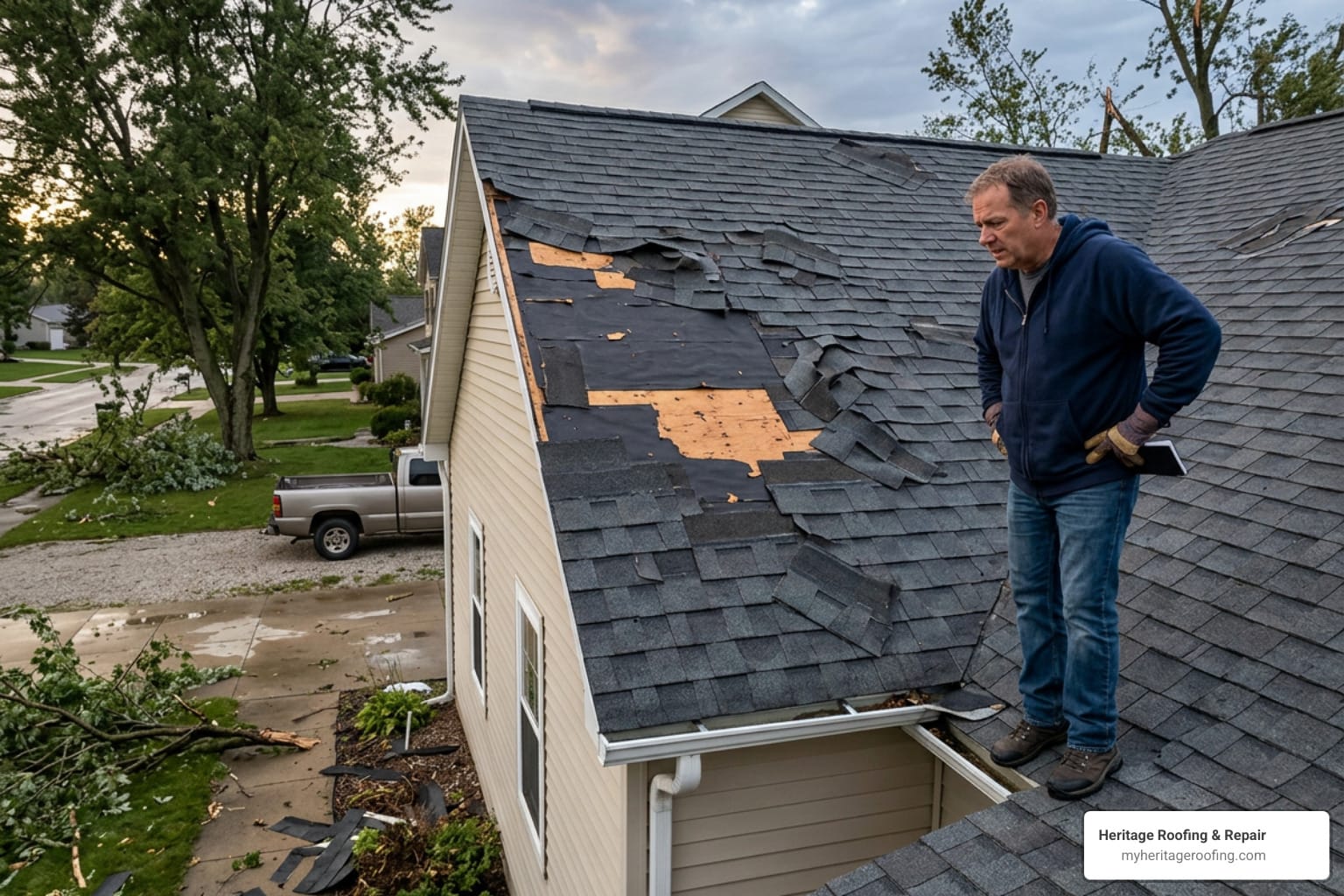
- Document the damage — Take timestamped photos and video before touching anything
- Prevent further damage — Tarp active leaks to avoid a “failure to mitigate” denial
- Get a contractor inspection — Obtain a written estimate before the adjuster arrives
- File the claim promptly — Contact your insurer’s claims line within 48–72 hours of the damage
- Meet the adjuster with your contractor present — Don’t let the adjuster inspect alone
- Review the settlement offer — Initial estimates are often incomplete; negotiate or supplement if needed
- Complete repairs and collect recoverable depreciation — Submit proof of completion before your policy deadline
The average basic roof repair costs around $1,147, but a full replacement averages $11,500 — and the difference between what insurance pays and what you actually owe can be thousands of dollars depending on how well you navigate the process. Most homeowners leave money on the table simply because they don’t know how the system works.
Our professional roof repair services at Heritage Roofing & Repair exist precisely to close that gap — guiding homeowners through every step from storm damage to final payout.
I’m Rex Wisdom, owner of Heritage Roofing & Repair, a family-owned business serving Berryville and Northwest Arkansas for over 50 years, with hands-on experience helping homeowners navigate every stage of a home insurance claim for roof repair. In the guide below, I’ll walk you through exactly what to do — and what to avoid — so you get the full payout your policy entitles you to.
Simple home insurance claim for roof repair word guide:
Understanding Coverage: What Does a Home Insurance Claim for Roof Repair Actually Cover?
Standard homeowners insurance is designed to protect your home from sudden, unexpected losses. When it comes to your roof, the insurance company distinguishes sharply between sudden storm events and the slow, inevitable march of time. Navigating this distinction is the single most important factor in whether your claim is approved or denied.
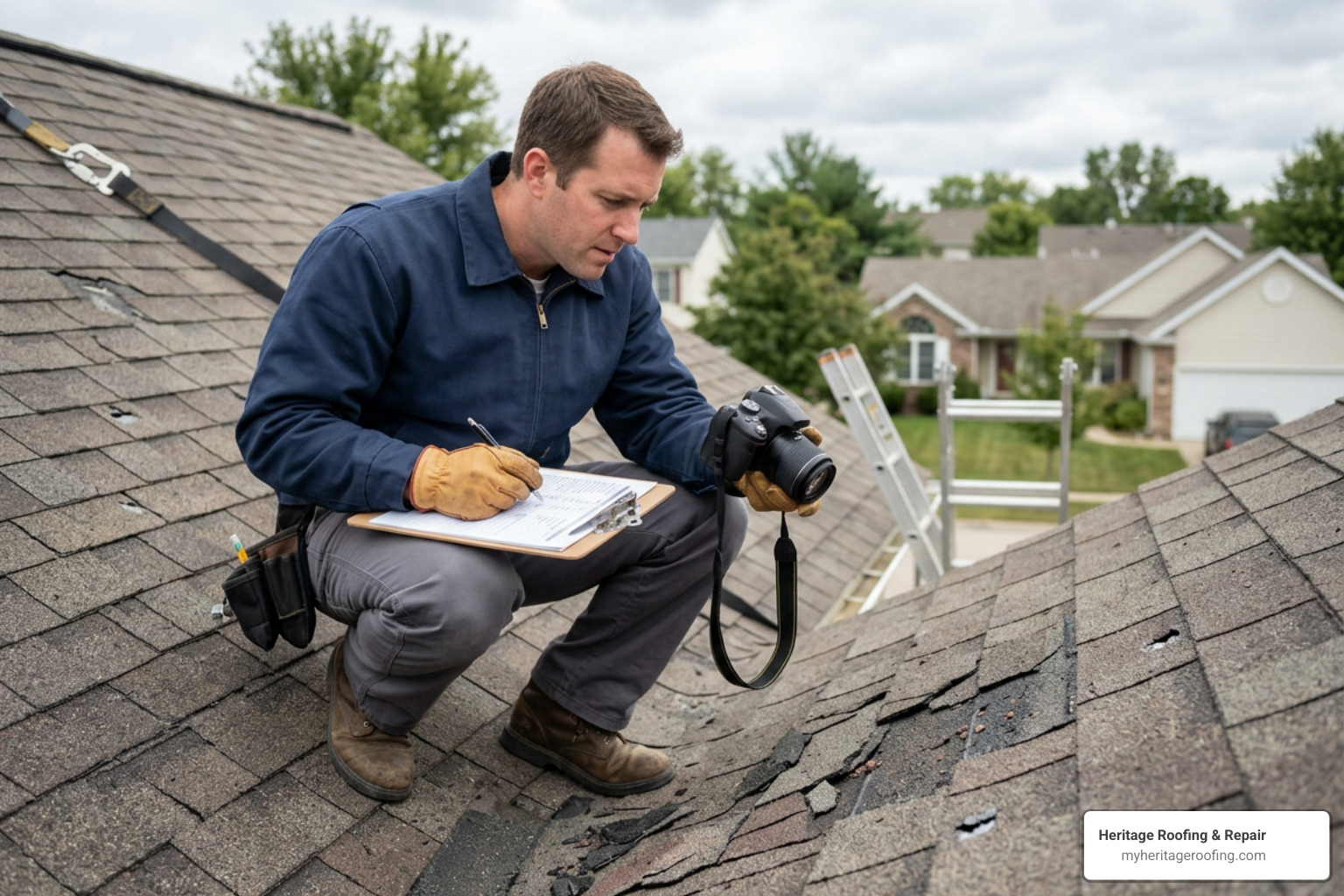
For a comprehensive look at the rules of engagement, read our homeowners insurance roof damage guide. To understand the broader industry framework, you can also consult GAF’s Guide to Roof Damage Insurance Claims.
Covered Perils vs. Excluded Damage
Insurance policies cover damage caused by “covered perils.” These are sudden, accidental, and external events.
- Covered Perils: Windstorms, hail, fallen trees, lightning strikes, fire, and the weight of ice or snow are universally covered. If a 60 mph wind gust rips shingles off your roof, or if hail bruises the asphalt underlayment, your insurance company is obligated to pay for the repairs.
- Storm-Driven Rain: If wind or hail creates a physical opening in your roof, any subsequent water damage to your ceilings, walls, or personal property is covered.
- Excluded Damage: Standard policies explicitly exclude gradual deterioration. Wear and tear, rot, mold, pest infestation, and manufacturing defects are your responsibility as a homeowner. If a slow, neglected leak has been dripping in your attic for three years, insurance will deny the claim based on maintenance neglect.
- Cosmetic Exclusions: Many modern policies include cosmetic damage exclusions. This means if hail dents your metal roof but does not compromise its structural integrity or water-shedding capability, the insurance company will not pay to replace it.
The Impact of Roof Age on Your Home Insurance Claim for Roof Repair
As your roof blows out candles on its birthday cake, your insurance coverage begins to shift.
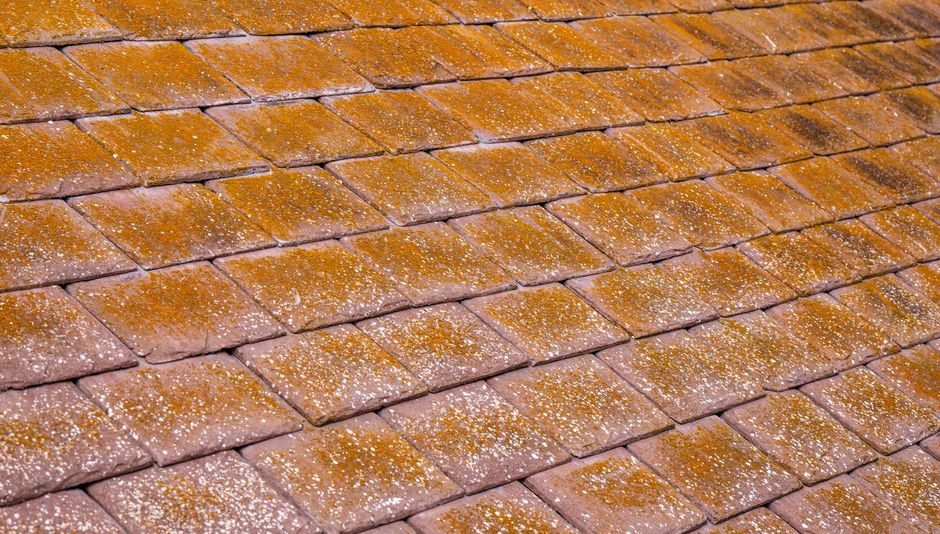
Roofs aged 0 to 10 years typically enjoy full replacement coverage. However, once a roof passes the 10- or 15-year mark, insurance companies frequently modify the policy terms during renewal. Many carriers transition older roofs from Replacement Cost Value (RCV) to Actual Cash Value (ACV). This shift means the insurance company will deduct depreciation based on the age of the shingles, dramatically reducing your payout.
If your roof is over 20 years old, some carriers may refuse to renew your policy entirely unless the roof is completely replaced out of pocket. Understanding these limitations helps explain why insurance companies deny roof claims and prepares you for the financial reality of your claim.
RCV vs. ACV: How Your Policy Type Dictates Your Payout
When you file a home insurance claim for roof repair, your policy type is the absolute law of the land. The difference between Replacement Cost Value (RCV) and Actual Cash Value (ACV) determines whether you will be paying a small deductible or writing a check for thousands of dollars.
| Coverage Feature | Replacement Cost Value (RCV) | Actual Cash Value (ACV) |
|---|---|---|
| Payout Basis | Current cost to replace with like kind and quality | Current replacement cost minus physical depreciation |
| Depreciation | Temporarily withheld, but fully recoverable after work is done | Permanently deducted; cannot be recovered |
| Out-of-Pocket Cost | Just your deductible | Your deductible + the depreciated value of the roof |
| Financial Risk | Low | High (especially on roofs older than 10 years) |
Under an RCV policy, the insurance company pays to restore your roof to its pre-damage condition using brand-new materials at current market prices. Under an ACV policy, the insurance company only pays what your old, weathered roof was worth right before the storm hit.
For a deep dive into mastering this financial structure, check out our guide on the roof replacement insurance process.
Recovering Your Depreciation Holdback
If you have an RCV policy, the insurance company will not hand over the entire replacement amount upfront. Instead, they pay the claim in two stages.
First, they issue a check for the ACV amount (the total cost minus your deductible and depreciation). This is your starter fund. Once the repairs are completed by a licensed contractor, you must submit proof of completion—including the final invoice and photos—to your insurance carrier.
Upon receiving this documentation, the insurance company releases the “recoverable depreciation” holdback. Be highly mindful of deadlines: most policies require you to complete repairs and submit your final claim for recoverable depreciation within 180 days to one year from the initial settlement date. Missing this deadline means forfeiting thousands of dollars of your own money.
Step-by-Step Guide to the Filing Process
Filing a claim can feel like learning a foreign language while standing in a rainstorm. Following a structured step-by-step process ensures you do not miss critical details that could jeopardize your payout.
For a highly detailed roadmap, see our filing roof insurance claim guide or read HomeCostLab’s comprehensive How to File a Roof Insurance Claim in 2026: Step-by-Step Guide.
Step 1: Documenting the Damage and Mitigating Further Loss
Before you clean up a single shingle or call your insurance agent, grab your smartphone.
- Photo Documentation: Take wide-angle shots of your entire property and close-ups of the specific roof damage from the ground. If there is interior water damage, photograph the water stains, bubbling paint, and wet carpet immediately.
- Mitigate Further Loss: Insurance policies contain a “mitigation clause.” You are legally required to protect your property from further damage. If your roof is actively leaking, you must have it temporarily tarped. If you fail to do this and water ruins your hardwood floors three days later, the insurer can deny coverage for the floor repairs. If you are dealing with active leaks, read our expert analysis on can I claim a roof leak on insurance? to protect your rights.
Step 2: Getting a Contractor Estimate Before the Adjuster Visit
Many homeowners make the mistake of calling their insurance company first. We strongly advise getting an independent roofing contractor to inspect your roof before the insurance adjuster visits.
An experienced contractor will document the full scope of the damage, providing an objective baseline estimate. When the insurance adjuster arrives, your contractor should meet them on-site. This ensures that hidden damage to flashing, decking, or ridge caps isn’t overlooked by an overworked adjuster.
If you are unsure whether your damage warrants a claim in the first place, read our guide: should I file an insurance claim for my roof?
Step 3: Navigating the Adjuster Meeting and Xactimate Estimates
When the insurance adjuster inspects your roof, they will write up their assessment using a specialized software program called Xactimate. Over 90% of insurance adjusters use Xactimate to calculate localized material and labor costs.
Our roof damage insurance guide explains how to read these complex documents. When reviewing the Xactimate printout, make sure it includes essential line items such as:
- Tear-off and disposal fees
- Underlayment, starter strips, and drip edges
- Flashing around chimneys and valleys
- Overhead and Profit (O&P): If your repair requires multiple trades (e.g., roofing, drywall repair, gutter replacement), you are entitled to an additional 20% markup (10% overhead + 10% profit) to cover the coordination of the project.
Deductibles, Supplements, and Building Codes: The Financial Fine Print
The financial mechanics of a roof claim extend far beyond a simple repair estimate. Deductibles, local building codes, and unforeseen structural issues can dramatically sway your out-of-pocket expenses.
If your roof was damaged in a recent storm, our guide on storm damage roof repair covers these financial nuances in detail.
Managing Deductibles and Avoiding Scams
Your deductible is the portion of the claim you are legally required to pay out of pocket.
- Fixed vs. Percentage Deductibles: While some policies have a flat $1,000 deductible, many policies in storm-prone areas utilize percentage-based deductibles (often 1% to 5% of your home’s total insured dwelling value). On a $300,000 home, a 2% wind/hail deductible means you must pay $6,000 out of pocket before insurance covers a dime.
- The “Free Roof” Scam: Be incredibly wary of door-to-door “storm chasers” who offer to waive or “absorb” your deductible. In Arkansas, it is insurance fraud for a contractor to write off or hide a deductible.
- Assignment of Benefits (AOB) Risks: Never sign an Assignment of Benefits contract. An AOB transfers your insurance rights and claim control directly to the contractor, allowing them to sue the insurance company or keep the payout without your consent. To learn how to spot these predatory practices, read our warning on shingle damage insurance claims and other sticky situations.
Filing a Supplemental Claim for Missed Damage
A supplemental claim is a request for additional funds sent to the insurance company after the work has begun.
When a roofing crew tears off old shingles, they often find hidden rot in the wood decking, damaged rafters, or missing ice-and-water shields that were impossible to see during the initial adjuster’s inspection. Furthermore, local building codes in Northwest Arkansas may require specific upgrades (such as drip edges or ventilation) that were not present on your old roof.
If you have Law and Ordinance (Building Code Upgrade) Coverage in your policy, insurance will cover the cost of bringing your roof up to modern codes. Your contractor will document these code requirements and hidden damages, submitting a supplemental estimate directly to your carrier to secure the extra funding. For regulatory guidelines and consumer protection, you can consult the Arkansas Insurance Department Consumer Resources.
Frequently Asked Questions about Roof Repair Claims
How long do I have to file a home insurance claim for roof repair?
The statute of limitations for filing a roof damage claim varies by state and policy, but most standard policies require you to report storm damage within one to two years of the date of loss. In Arkansas, prompt reporting is highly critical. Waiting months to file makes it significantly easier for the insurance company to argue that the damage was caused by subsequent wear and tear rather than the original storm. If you are wondering how much physical damage is required to trigger a valid claim, read our guide on how much roof damage for insurance claim?
What should I do if my roof claim is denied or the payout is too low?
If your claim is denied or heavily underpaid, do not panic. First, request the denial in writing along with the specific policy language the insurer is referencing. You have the right to request a second inspection, preferably with a different adjuster.
If negotiations stall, you can invoke your policy’s Appraisal Clause—a formal dispute resolution process where independent appraisers determine the true value of the loss. For highly complex claims, you may want to hire a licensed public adjuster or an insurance attorney. Learn more about fighting back in our guide: hail wind or wear tear navigating roof damage insurance claims.
How do mortgage company endorsements work on insurance checks?
Because your mortgage company has a financial stake in your home, insurance checks for major repairs are typically made out to both you and your mortgage lender. To cash the check, you must send it to your mortgage company’s loss draft department along with your contractor’s contract, W-9, and license. The lender will hold the funds in an escrow account and release them in draws as the work is completed and verified by inspectors. For a detailed breakdown of this process, read our article on insurance roof claims.
Conclusion
Navigating a home insurance claim for roof repair can feel overwhelming, but you do not have to walk through the storm alone. By documenting damage thoroughly, acting quickly to prevent further leaks, and partnering with an honest, experienced local contractor, you can protect your home and ensure your insurance carrier honors their policy.
At Heritage Roofing & Repair, we have spent over 50 years providing dependable, affordable, and top-tier craftsmanship to families across Berryville, Harrison, Fayetteville, and Northwest Arkansas. We specialize in storm damage restoration and insurance claims navigation, acting as your local advocate from the initial inspection to the final shingle.
If you suspect your roof has storm damage, don’t wait for a small leak to become a massive headache. Check out our roofing insurance claims ultimate guide or contact us today to schedule your professional inspection.
Company Contact Information & Map Embed:
Heritage Roofing & Repair
3458 Arkansas State Hwy 221, Berryville, AR 72616
Phone: (870) 654-1164