When Disaster Strikes: Your Guide to Emergency Roof Leak Repair
Roof leak repair is critical the moment you find water dripping from your ceiling. A leaking roof demands immediate action to prevent structural damage, mold growth, and costly secondary repairs. For homeowners in Northwest Arkansas, understanding the first steps for a professional roof repair can save time, money, and stress. If you need rapid help, our trusted roofing company in Northwest Arkansas can mobilize emergency support, document the damage, and guide you through next steps.
According to industry data, most minor roof leak repair costs between $300 and $1,000, while extensive repairs can reach $15,000. The key is acting fast, as a small leak can quickly escalate. Water damage can also lead to significant health risks from mold exposure, including respiratory issues.
I’m Rex Wisdom, owner of Heritage Roofing & Repair. For over 50 years, my family has helped homeowners with emergency roof leak repair and restoration. Our team knows what it takes to protect your home when disaster strikes.
Heritage Roofing & Repair
3458 Arkansas State Hwy 221, Berryville, AR 72616
(870) 654-1164
Know your roof leak repair terms:
First Steps: What to Do Immediately After Finding a Leak
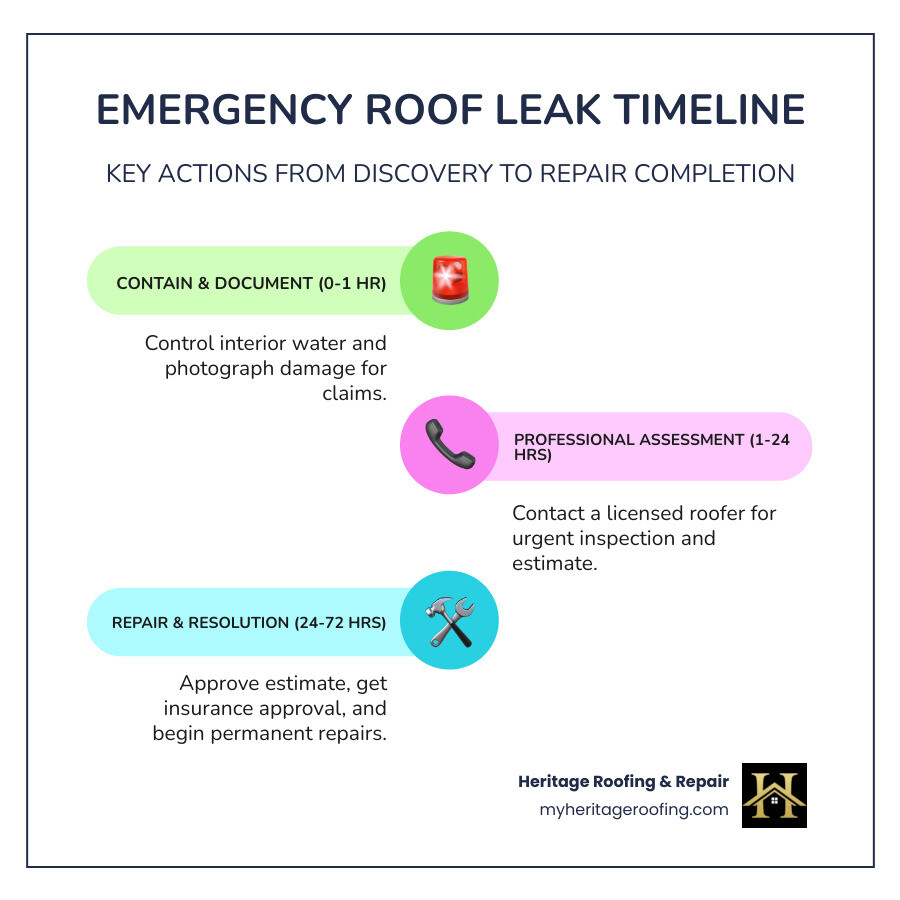
The moments after finding a leak are critical for minimizing damage. Acting quickly can save you thousands in secondary repairs. Your first priority is to control the water and protect the interior of your home.
Containing the Damage Inside
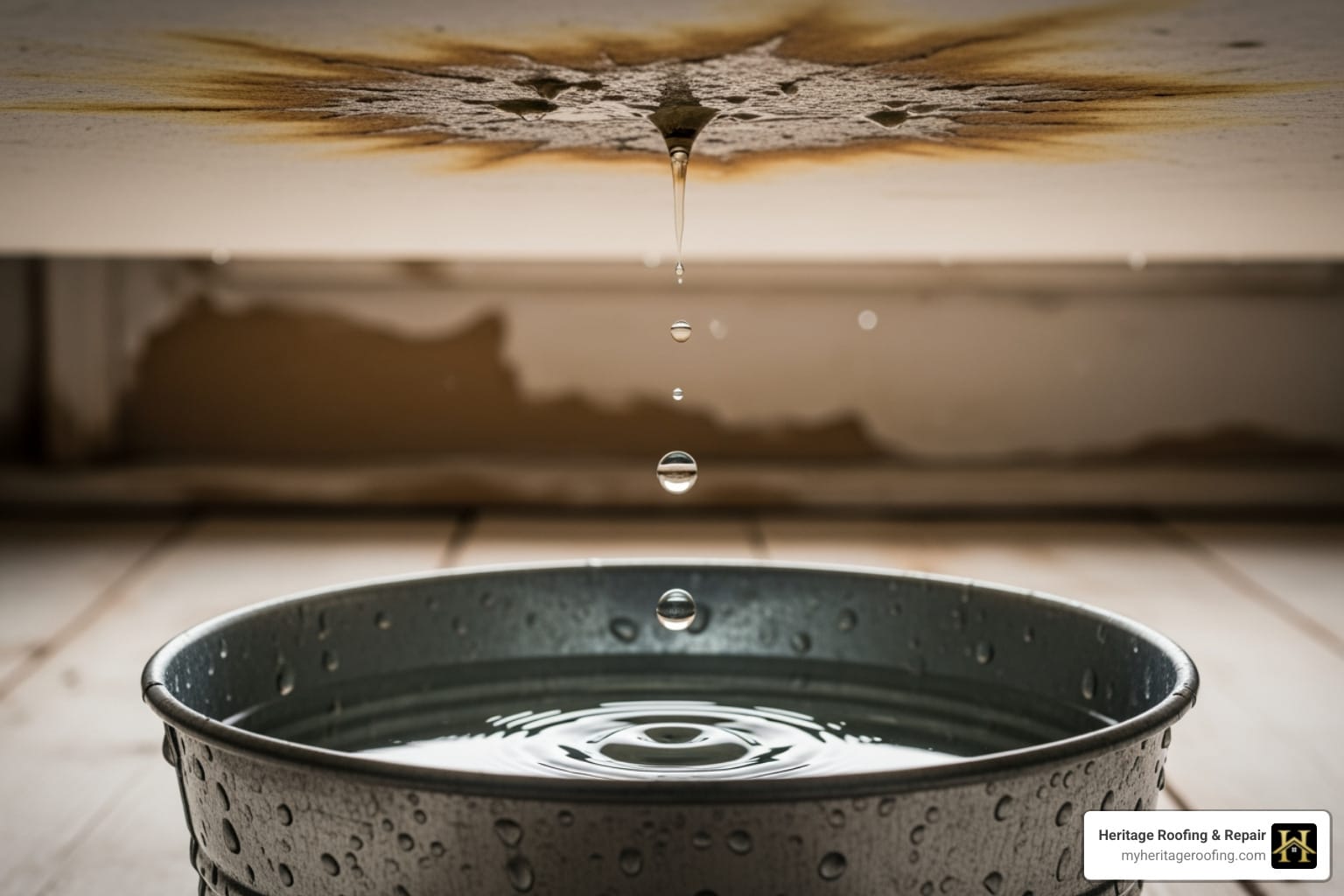
When you spot a leak, your immediate goal is to contain the water. Place buckets or large pots under drips and lay down towels to catch splashes. Move furniture, electronics, and valuables away from the affected area; water can spread far along ceiling joists before dripping. Unplug any electronics nearby to prevent electrical hazards.
If you see a bulge forming in your ceiling, water is pooling above the drywall. To prevent a larger collapse, place a bucket underneath and carefully puncture the center of the bulge with a screwdriver to allow the water to drain in a controlled manner. For severe leaks, emergency roof tarping can provide a temporary solution while you await professional roof leak repair. After containing the water, document all damage with photos and videos for your insurance claim.
Making a Temporary Fix (If Safe)
Safety is the absolute priority. Never climb onto a wet, icy, or unstable roof. If it’s raining, windy, or dark, wait for a professional. A roof problem should not become a hospital visit.
If conditions are safe (dry, daylight, stable roof) and you are comfortable with heights, you can take temporary measures.
- Ladder Safety: Use a sturdy ladder secured at the base and have someone spot you. Wear non-slip shoes.
- Tarping: Place a heavy-duty tarp over the suspected leak area, extending it several feet beyond the damage. Secure it with weights or sandbags, not nails, to avoid creating new holes.
- Roofing Cement: For small, identifiable holes, a dab of roofing cement can provide a temporary seal. This is a band-aid, not a permanent solution.
The water entry point may be far from the interior ceiling stain. These temporary fixes are only meant to prevent further damage until our emergency roof repair team can perform a complete inspection and permanent roof leak repair.
Identifying the Source: 7 Common Causes of Roof Leaks
Finding where the water is getting in is often the hardest part of a roof leak repair. Water can travel along rafters, meaning the stain on your ceiling might be feet away from the actual entry point. A thorough inspection is key.
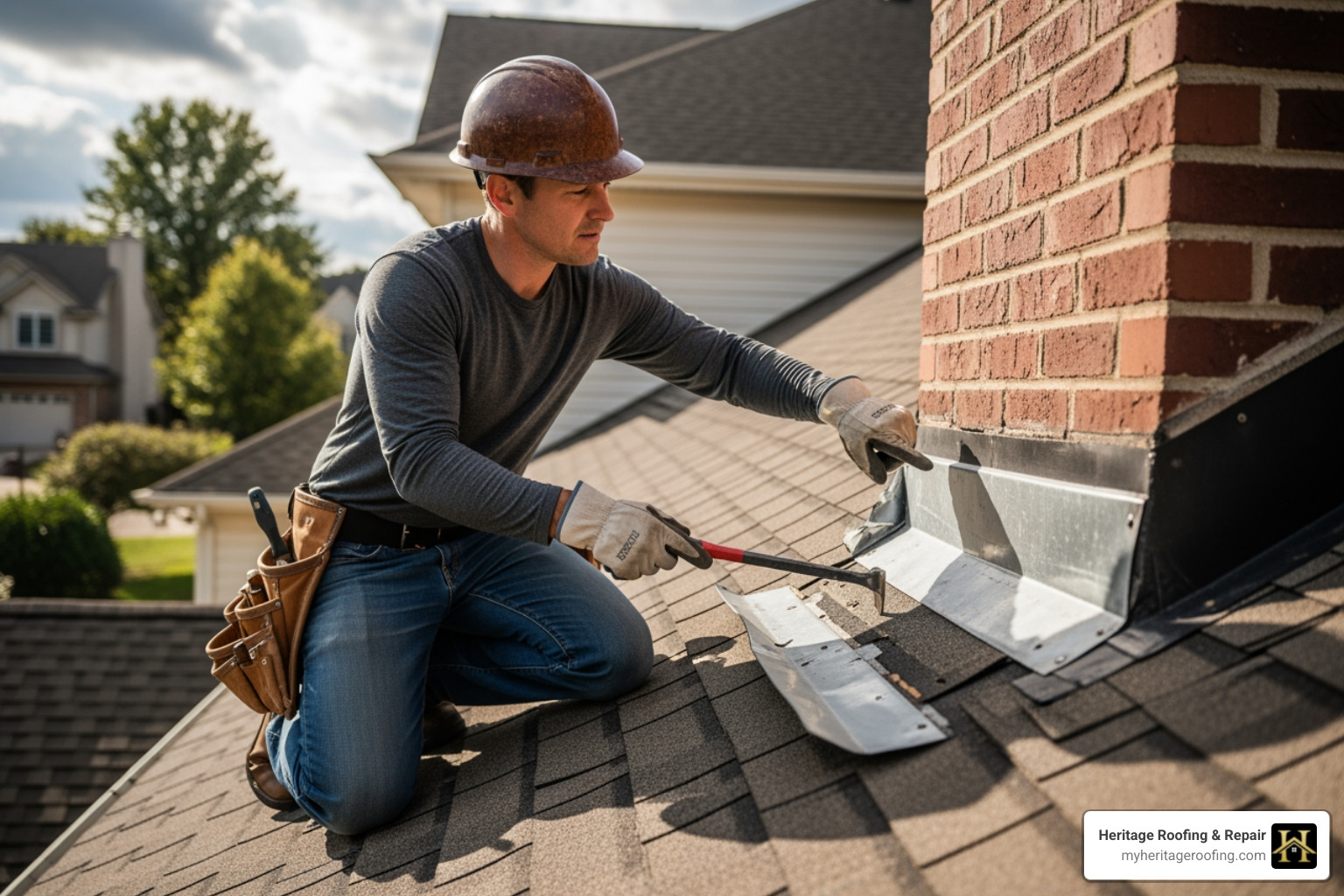
Key warning signs of a leak include water stains, a musty odor in the attic, sagging ceilings, and peeling paint. Outside, look for damaged shingles, granules in gutters, and damaged flashing.
Here are the 7 most common causes of roof leaks:
- Damaged Shingles: Age, weather, or storm damage can cause shingles to crack, curl, or blow off, creating a direct path for water.
- Cracked or Failing Flashing: The metal barriers around chimneys, vents, and skylights can crack, rust, or detach, breaking the watertight seal.
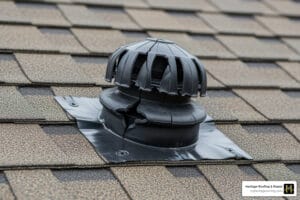
- Failing Vent Boots: The rubber seals around plumbing vent pipes degrade from UV exposure, allowing water to enter.
- Clogged Gutters: Debris-filled gutters cause water to back up and seep under the roof’s edge.
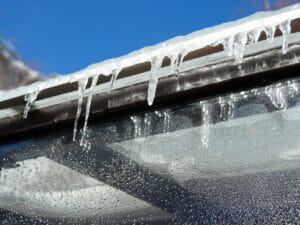
- Ice Dams: In winter, melted snow can refreeze at the roof’s edge, trapping water that then backs up under shingles.
- Skylight Seals: Deteriorating seals or improper installation make skylights notorious leak points.
- Nail Pops: Roofing nails that back out of the decking create small holes for water to penetrate.
A roof inspection checklist can help you spot these issues early.
The Role of Flashing and Sealants
Flashing is a thin metal material that directs water away from vulnerable roof intersections and penetrations. Common failure points are around chimneys, skylights, and vent pipes. Chimney flashing is a complex system that can fail if mortar or sealants crack. Step flashing, used where a roof meets a wall, can leak if improperly interwoven with shingles. Vent pipe flashing often fails when its rubber collar cracks from sun exposure. Over time, all sealants will dry out and degrade due to UV damage, requiring regular inspection.
Challenges with Different Roof Types
Roofing materials present different challenges. Sloped roofs rely on gravity, so leaks usually stem from damaged shingles or flashing. Flat roofs are prone to ponding water if drainage is inadequate, which accelerates membrane deterioration. Seam failure on flat roof membranes (like TPO) is another common issue. For more details, see our guide to flat roof repair.
Understanding Roof Leak Repair Costs and Options
The cost of roof leak repair varies dramatically. A simple fix may cost a few hundred dollars, while extensive damage can run into the thousands. Understanding the factors that influence price is key to budgeting and making informed decisions.
Key factors influencing your roof repair cost include the roofing material (asphalt shingle repair is often most affordable), repair complexity (a steep roof costs more to work on), and the extent of underlying damage (rotted decking adds to the cost).
Repair vs. Replacement: When to Fix and When to Re-Roof
Deciding between repair and replacement is a critical choice. Consider these factors:
- Roof Age: If an asphalt shingle roof is over 15-20 years old and has multiple leaks, replacement is often more cost-effective.
- Extent of Damage: Widespread shingle deterioration or significant decking damage often warrants a full replacement.
- Number of Leaks: Frequent leaks in different areas suggest your roof is at the end of its lifespan.
- Cost-Benefit Analysis: Consider replacement if repair costs exceed 25-30% of the price of a new roof.
- Future Plans: A new roof is a major selling point and adds significant value if you plan to sell your home soon.
The Long-Term Consequences of Ignoring a Roof Leak
Ignoring a leak is a costly mistake. The damage escalates quickly and can lead to:
- Structural Damage: Water soaks into rafters and joists, causing wood rot that weakens your home’s structure.
- Interior Damage: Water ruins drywall, plaster, and paint, with damage often spreading far from the initial leak.
- Mold and Mildew: Scientific research shows that mold thrives in damp spaces created by leaks, posing serious health risks like respiratory problems and allergic reactions.
- Electrical Hazards: Water contacting wiring can cause short circuits and create a serious fire risk.
- Insulation Damage: Wet insulation loses its effectiveness, leading to higher energy bills and becoming a breeding ground for mold.
Prompt roof leak repair is essential to protect your home’s structure, your family’s health, and your finances.
DIY vs. Professional Roof Leak Repair: A Homeowner’s Dilemma
While a DIY fix is tempting, roof leak repair is more dangerous and complex than it appears. The risks often outweigh the benefits.
DIY vs. Professional: The Risks
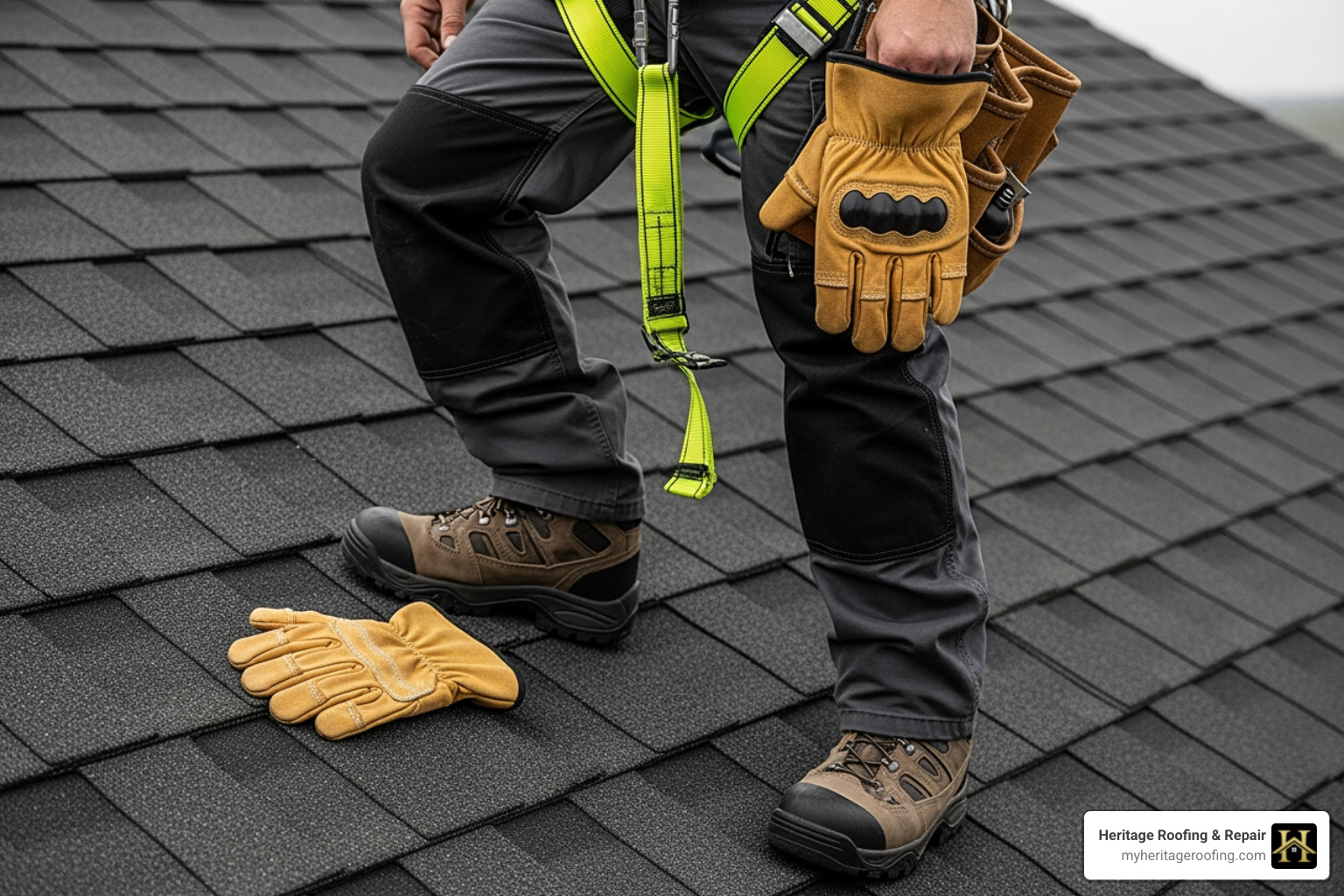
- Safety: Falls from roofs are a leading cause of serious injury. Professionals have the training and safety equipment to work at heights.
- Warranty: A DIY repair can void your roofing material warranty, costing you thousands in future coverage.
- Expertise: It’s easy to misdiagnose a leak’s source. Treating a symptom while missing the cause leads to recurring problems.
Call a professional if: the damage is widespread, the roof is steep or high, you cannot find the leak’s source, or you feel unsafe. For most homeowners, hiring a professional for roof repair services is the smartest and safest choice.
Essential Safety and Tools for a DIY Roof Leak Repair
If you decide to tackle a minor, easily accessible repair, you must prioritize safety.
- Safety Gear: Always use a roofing harness kit like the Guardian Roofing Harness Kit, soft-soled, non-slip boots, and a sturdy ladder. Never work alone.
- Essential Tools: You will need a pry bar, hammer (or a pneumatic nail gun), utility knife, caulking gun, and a chalk line like the TAJIMA Chalk Box.
- Materials: Have matching replacement shingles and roofing cement on hand.
For more detailed steps, consult our Asphalt Shingle Repair Complete Guide or resources from Lowe’s and DAP.
Will Home Insurance Cover the Repair?
Whether insurance covers your roof leak repair depends on the cause.
- Covered Damage: Most policies cover sudden, accidental damage from perils like wind, hail, or falling trees. If a storm damages your roof, the repair is likely covered.
- Exclusions: Coverage is typically denied for leaks caused by lack of maintenance, general wear and tear, or old age.
If you suspect storm damage, contact your insurer immediately and document everything. We have extensive experience with the storm damage roof repair claims process and can provide the detailed estimates adjusters require.
Finding a Qualified Roofer in Harrison, AR
When the job is too big or too dangerous, you need a trustworthy professional. Choosing the right contractor ensures the repair is done correctly, preventing future leaks and protecting your investment.

Look for these qualifications:
- Licensing and Insurance: Verify the contractor is licensed in Arkansas and carries both liability insurance and workers’ compensation.
- Local Reputation: Check online reviews and ask for local references. A long-standing positive reputation is a sign of quality.
- Written Estimates: Demand a detailed written estimate outlining the scope of work, materials, timeline, and total cost.
- Workmanship Warranty: A solid warranty on labor and materials shows the roofer stands behind their work.
- Insurance Claim Experience: A contractor experienced with insurance claims can help you steer the process for your roof repair in Harrison.
At Heritage Roofing & Repair, we’ve served Northwest Arkansas for over 50 years. We prioritize dependable, quality craftsmanship, especially when you’re dealing with storm damage. We’re not just roofers—we’re your neighbors.
Your Local Roofing Experts
When you need reliable roof leak repair in Harrison or anywhere in Northwest Arkansas, we’re here to help. Schedule your free inspection today and get an honest, no-pressure assessment custom to your home.
Frequently Asked Questions about Roof Leaks
How long can you leave a leaking roof?
You should address a leaking roof immediately, ideally within 24-48 hours. Even a small leak can cause significant water damage, mold growth, and structural rot in a very short time. The longer you wait, the more extensive and expensive the repairs will become. If you cannot get a permanent fix right away, arrange for an emergency roof repair to prevent the situation from worsening.
Can a roof collapse from a leak?
Yes, a roof can collapse from a leak in severe cases of neglect. Persistent water saturation weakens wooden structural components like rafters and decking, compromising their ability to support the roof’s weight. Warning signs of severe structural damage include a sagging ceiling, a visibly bowed roofline, and cracks in interior walls. If you see these signs, evacuate the area and call a professional immediately.
How can I prevent roof leaks in the future?
Regular maintenance is the best way to prevent future leaks. A proactive approach will extend your roof’s lifespan and protect your home. Key preventative measures include:
- Annual Professional Inspections: Have a qualified roofer inspect your roof once a year and after major storms.
- Keep Gutters Clean: Ensure water can drain properly by regularly clearing gutters and downspouts.
- Trim Overhanging Branches: Prevent debris buildup and damage from falling limbs.
- Ensure Proper Attic Ventilation: Good airflow prevents moisture buildup that can deteriorate roofing materials.
- Address Minor Issues Promptly: Fixing a curled shingle or cracked flashing early can prevent a major leak later.
Following these roofing maintenance tips will give you peace of mind year-round.