Why Commercial Roofing in Fayetteville AR Is a $50,000+ Decision That Impacts Your Bottom Line
Commercial roofing Fayetteville AR is a critical investment that protects your business assets, maintains structural integrity, and directly impacts your bottom line through energy efficiency and property value. According to industry data, the average commercial roof replacement costs between $5 and $12 per square foot, meaning a 10,000 sq. ft. building can easily exceed $50,000. That makes choosing the right system and contractor one of the highest-stakes decisions a business owner faces. At Heritage Roofing & Repair, we help Fayetteville businesses navigate this decision with over 50 years of hands-on experience in Northwest Arkansas. To confirm your roof’s condition, code requirements, and the most cost-effective path forward, schedule a commercial roofing assessment today.
Quick answers for businesses seeking commercial roofing in Fayetteville:
- Common materials: TPO, PVC, EPDM rubber, metal roofing, and modified bitumen
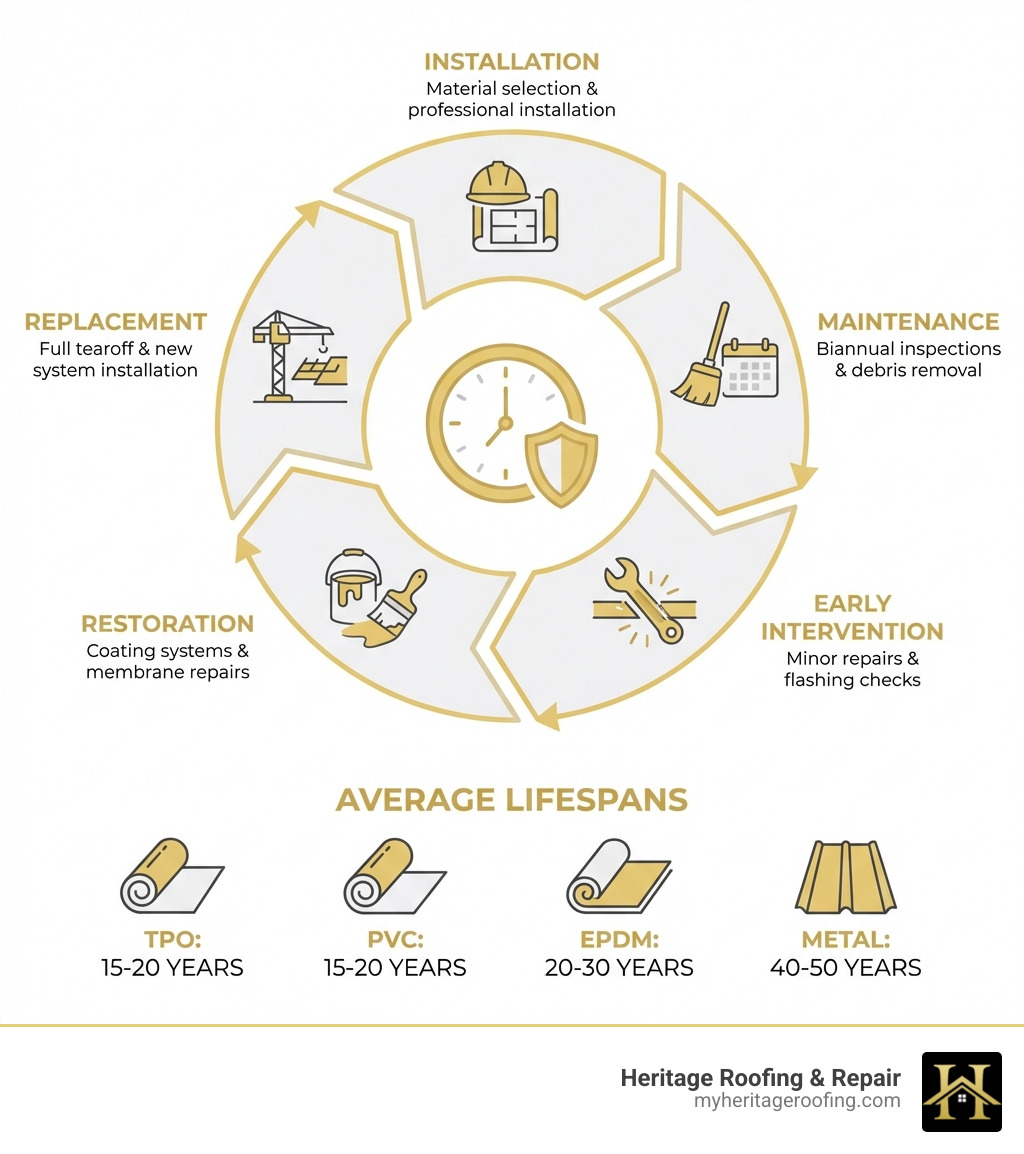
- Expected lifespan: 15–20 years (TPO/PVC), 20–30 years (EPDM), 40–50 years (metal)
- Energy savings: Up to 15–30% reduction in cooling costs with reflective systems
- Key services: Installation, repair, coating, emergency storm damage, and preventative maintenance
- Local considerations: Humid subtropical climate requires UV-resistant, storm-proof materials
- Cost factors: Material type, roof size, complexity, and whether repair or replacement is needed
Your commercial roof does more than keep rain out. It shields your inventory, protects your employees, maintains comfortable working conditions, and influences how clients perceive your business. In Fayetteville’s humid subtropical climate, with intense summer heat, severe storms, and temperature swings, choosing the right roofing system and maintaining it properly becomes even more crucial.
A failing commercial roof creates cascading problems: water damage to interior assets, disrupted operations, rising energy bills, and emergency repair costs that routinely exceed the cost of scheduled maintenance. Metal roofing can last up to 50 years when properly installed and maintained, and reflective systems like white TPO membranes can reflect up to 85% of solar radiation, supporting measurable reductions in cooling demand during peak summer months.
I’m Rex Wisdom, and for over 50 years my family has specialized in commercial roofing Fayetteville AR projects throughout Northwest Arkansas, helping businesses protect their investments through expert installation, storm damage restoration, and preventative maintenance programs. Our hands-on approach ensures every roof receives the attention it deserves, from initial inspection to final warranty.
Commercial roofing fayetteville ar word roundup:
How Fayetteville’s Humid Subtropical Climate Destroys Commercial Roofs: Data-Backed Analysis
The climate in Fayetteville, Arkansas, is classified as humid subtropical (Köppen Cfa), with average summer highs reaching 90°F and winter lows dropping to 25°F. This 65-degree annual temperature swing creates extreme thermal stress on commercial roofing systems. According to NOAA data, Northwest Arkansas receives an average of 46 inches of rainfall annually and experiences approximately 5–7 significant hail events per year, making weather resilience a non-negotiable factor in roofing material selection.
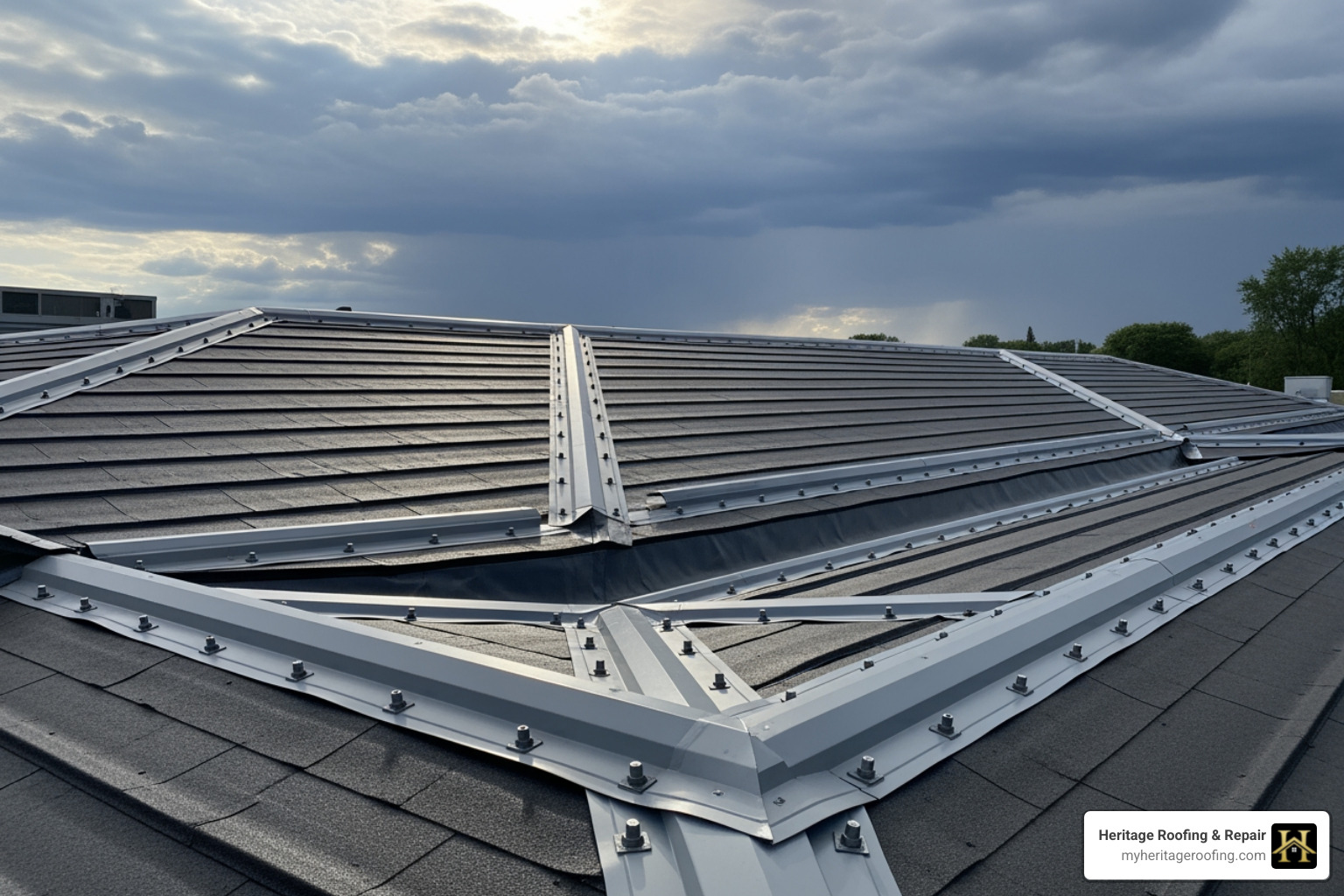
- UV Radiation: Fayetteville averages 217 sunny days per year, delivering relentless UV exposure that degrades many roofing materials over time. This leads to cracking, brittleness, and reduced lifespan. Materials resistant to UV light are paramount for longevity.
- Thermal Expansion and Contraction: The significant temperature swings from hot summers to cold winters cause roofing materials to expand and contract. This constant movement stresses seams, fasteners, and the material itself, leading to cracks, delamination, and eventual leaks if the material lacks sufficient flexibility.
- Severe Weather: Fayetteville is no stranger to thunderstorms, heavy rains, hail, and strong winds. The National Weather Service reports that Arkansas ranks among the top 15 states for annual hail damage claims. A robust roofing system designed to withstand impact and uplift is essential for protecting your business.
- Humidity and Moisture: Average relative humidity in Fayetteville exceeds 70% during summer months, contributing to moisture accumulation that leads to mold, mildew, and rot, especially in poorly ventilated systems or those with compromised barriers. Ponding water, a common issue on flat roofs, exacerbates this problem.
Understanding these climatic factors is the first step in making an informed decision about your commercial roofing Fayetteville AR project. For more detailed information on Fayetteville’s climate and city services, visit the City of Fayetteville, Arkansas portal.
Here’s a brief look at how different materials perform under Fayetteville’s conditions:
| Roofing Material | Performance in High Humidity | Storm Conditions (Hail/Wind) | UV Resistance | Flexibility for Thermal Cycles |
|---|---|---|---|---|
| TPO | Excellent | Good | Excellent | Excellent |
| PVC | Excellent | Good | Excellent | Excellent |
| EPDM | Good | Good | Good | Excellent |
| Metal | Excellent | Excellent | Excellent | Very Good |
| Modified Bitumen | Good | Fair | Good | Good |
5 Proven Commercial Roofing Systems for Northwest Arkansas: Costs, Lifespans & Performance Compared
When it comes to selecting a commercial roofing Fayetteville AR system, businesses in Northwest Arkansas have several excellent options, each with its own set of advantages and considerations. Our goal is to help you choose the system that best meets your operational needs, budget, and desired lifespan.
- TPO Roofing (Thermoplastic Olefin): TPO is a single-ply membrane known for its durability and energy efficiency. It is the most widely installed commercial roofing membrane in North America. Learn more about TPO roofing systems and how they perform in Arkansas climates.
- Pros: Excellent UV resistance, highly reflective (reducing cooling costs), durable against punctures and tears, relatively easy to install, and heat-welded seams provide superior water resistance. TPO systems can last about 15–20 years.
- Cons: Seam integrity depends heavily on installation quality, and some older formulations had issues with long-term flexibility.
- PVC Membranes (Polyvinyl Chloride): Similar to TPO, PVC is another single-ply thermoplastic membrane.
- Pros: Exceptional resistance to chemicals, grease, and industrial pollutants, making it ideal for restaurants or manufacturing facilities. It’s also highly reflective and durable, with a lifespan of 15–20 years.
- Cons: Can be more expensive than TPO, and its flexibility can be reduced in very cold temperatures, though this is less of a concern in Fayetteville’s climate.
- EPDM Rubber (Ethylene Propylene Diene Monomer): Often called “rubber roofing,” EPDM is a synthetic rubber membrane widely used for low-slope applications.
- Pros: Very durable, flexible, and resistant to extreme temperature fluctuations. It’s a cost-effective option with a long lifespan, often 20–30 years.
- Cons: Dark color absorbs heat (though white EPDM options exist), can be susceptible to punctures from sharp objects, and seams require adhesive rather than heat welding, which can be a point of failure if not maintained.
- Metal Roofing: Metal roofs are gaining popularity in commercial applications for their strength and longevity. Options include standing seam, corrugated, or R-panel systems.
- Pros: Exceptional durability (lasting 40–50 years or more), excellent fire resistance, superior wind uplift resistance, and many options are highly reflective, contributing to energy savings. Metal roofs are also often recyclable.
- Cons: Higher initial cost, can be noisy during heavy rain or hail, and requires specialized installation.
- Modified Bitumen: This is an asphalt-based roofing system, often installed in two-ply applications, offering excellent waterproofing.
- Pros: Good tensile strength, flexible, and relatively easy to repair. It performs well in areas with heavy foot traffic.
- Cons: Shorter lifespan than single-ply or metal (typically 10–20 years), darker surface absorbs heat, and installation can involve torches, posing a fire risk if not done by experienced professionals.
For a deeper dive into all available commercial roofing solutions, explore our complete guide to commercial roofing services.
Choosing the Right Commercial Roofing Fayetteville AR Material
Selecting the optimal material for your commercial property goes beyond just cost. It involves a careful assessment of several factors:
- Durability and Puncture Resistance: Consider the level of foot traffic, potential for falling debris, or equipment on your roof. A manufacturing facility might need a more robust, puncture-resistant material than an office building.
- Chemical Exposure: If your business involves chemicals, oils, or exhaust fumes, a material like PVC with its superior chemical resistance would be a wise choice.
- Building Height and Slope Requirements: Flat or low-slope roofs are best suited for single-ply membranes (TPO, PVC, EPDM) or modified bitumen. Pitched roofs can accommodate metal or even asphalt shingles, depending on the aesthetic and performance goals.
- Budget vs. Lifespan: While metal roofing has a higher upfront cost, its 40–50+ year lifespan and energy savings often result in a lower lifecycle cost. TPO and EPDM offer a good balance of cost and performance.
Energy Efficiency and Commercial Roofing Fayetteville AR: The Numbers
One of the most compelling benefits of modern commercial roofing is its ability to significantly improve your building’s energy efficiency. The U.S. Department of Energy estimates that cool roofing systems can reduce peak cooling demand by 10–15% in commercial buildings. In Fayetteville’s hot summers, this translates directly into reduced cooling costs.
- Reflective Membranes: White, light-colored, or “cool” roofs reflect a large portion of the sun’s energy rather than absorbing it. This keeps the roof surface and the building interior cooler. The Duro-Last roof, for instance, is rated as having the highest attribute for retained reflectivity of any single-ply membrane available. Our white, reflective roof systems have been shown to save businesses up to 15% on A/C costs, with some metal roofs saving up to 30% monthly on cooling.
- 85% Solar Reflection: Some highly reflective coatings and membranes can reflect up to 85% of the sun’s rays. This dramatically reduces the heat load on your building, easing the burden on your HVAC system.
- Insulation R-value: Beyond the surface, the insulation beneath your roofing membrane plays a crucial role. A higher R-value means better thermal resistance, preventing heat transfer in and out of your building. Combining a reflective membrane with adequate insulation creates a powerful energy-saving duo.
By making smart choices in your commercial roofing Fayetteville AR project, you’re not just getting a new roof; you’re investing in a more sustainable, cost-effective future for your business.
8 Warning Signs Your Commercial Roof Is Failing (And What Each One Costs If Ignored)
Ignoring early warning signs of commercial roof distress can lead to repair costs 3–5 times higher than the cost of proactive maintenance. According to the National Roofing Contractors Association (NRCA), 80% of commercial roofs are replaced prematurely due to neglected maintenance. Being proactive is key to maintaining the health of your business. Here are common indicators that your commercial roofing Fayetteville AR needs attention:
- Ponding Water: Any standing water on your commercial flat roof that remains for more than 48 hours after rainfall is a serious problem. It degrades roofing materials, encourages algae and plant growth, and can lead to structural issues.
- Membrane Punctures or Tears: Visible damage to the roofing membrane, whether from dropped tools, sharp debris, or general wear, creates direct entry points for water. Even small punctures can lead to significant leaks.
- Flashing Deterioration: Flashing, the material used to seal roof edges, penetrations (like vents and pipes), and changes in roof slope, is a common point of failure. If flashing appears cracked, lifted, or corroded, water will inevitably find its way in.
- Interior Leaks: The most obvious sign, but often one that indicates a problem has been brewing for a while. Water stains on ceilings, walls, or dripping water are clear signals that your roof’s integrity is compromised.
- Rising Energy Bills: If your heating or cooling costs are inexplicably increasing, it could be a sign of poor roof insulation or a compromised roofing system allowing conditioned air to escape or outside air to enter.
- Blistering, Cracking, or Alligatoring: These are signs of material fatigue and UV degradation. Blisters indicate moisture trapped beneath the surface, while cracking and alligatoring show the material is losing its elasticity and protective qualities.
- Sagging or Deck Deterioration: A sagging roof deck is a serious structural concern, often caused by prolonged water intrusion and rot. This requires immediate professional assessment.
- Visible Wear and Tear: General aging, fading, granule loss (for modified bitumen or asphalt), or exposed felts indicate that your roof is nearing the end of its functional life.
Don’t wait until a small leak becomes a major disaster. Early detection and intervention can save you significant time, money, and stress. If you observe any of these signs, it’s time to call in the professionals. We offer comprehensive roofing solutions designed to address any commercial roofing challenge. You can also learn more about what to know about commercial roof repair before scheduling service.
How Preventative Maintenance Extends Roof Life by 25%: ROI Data for Fayetteville Business Owners
A commercial roof is a substantial investment, and like any investment, it requires proper care to maximize its return and extend its lifespan. Research from the International Facility Management Association (IFMA) shows that every $1 spent on preventative roof maintenance saves an average of $4 in future repair or replacement costs. This is where preventative maintenance and robust warranties come into play for your commercial roofing Fayetteville AR asset.
Benefits of Preventative Maintenance:
- Extends Lifespan by Up to 25%: Regular inspections and minor repairs can significantly prolong the life of your roof, delaying the need for costly replacement. A TPO or PVC system typically lasts 15–20 years, but with diligent maintenance, you can push that closer to 25. Metal roofs, with their 40–50+ year potential, truly benefit from consistent care.
- Prevents Costly Repairs: Catching small issues like clogged drains, minor punctures, or loose flashing before they escalate into major leaks saves you money. A small repair costs far less than extensive water damage restoration.
- Maintains Warranty: Many roofing warranties require regular maintenance to remain valid. Neglecting your roof could void your coverage when you need it most.
- Optimizes Energy Efficiency: Keeping your roof clean and in good condition ensures reflective surfaces perform optimally, helping to keep your energy bills low.
- Ensures Safety: A well-maintained roof is a safer roof, reducing risks for anyone accessing it and preventing potential structural failures.
Key Preventative Maintenance Tasks:
- Bi-annual Inspections: We recommend professional roof inspections at least twice a year, typically in spring and fall, to assess any damage from seasonal weather changes.
- Debris Removal: Clearing leaves, branches, and other debris from the roof surface and gutters prevents water damming and material degradation.
- Drainage Checks: Ensuring all drains, scuppers, and gutters are clear and functioning properly is crucial to prevent ponding water.
- Leak Checks and Seam Inspection: Proactive checks for signs of water intrusion and inspecting seams for integrity can prevent hidden problems.
Understanding Warranties:
- Material Warranties: These cover defects in the roofing material itself, provided by the manufacturer.
- Workmanship Warranties: Offered by the roofing contractor, these cover the quality of the installation.
- System Warranties: Some manufacturers and contractors offer comprehensive system warranties that cover both materials and labor, often for a longer period.
- Duration: Warranties for commercial roofing services in Fayetteville, AR, can vary widely. For new installations, it’s common to see 15–20 year warranties for single-ply membranes. For roof coatings, a renewable, non-prorated warranty of up to 18 years is sometimes available, covering both labor and materials. Always clarify what is covered, for how long, and any maintenance requirements to keep the warranty valid.
Investing in preventative maintenance and understanding your warranty is not just an expense; it’s a strategic decision that protects your business’s financial health and operational continuity. Even facilities like the University of Arkansas emphasize the importance of robust roofing systems and maintenance for their campus buildings.
Why Local Expertise Matters: Choosing a Commercial Roofing Contractor in Fayetteville AR
Choosing a commercial roofing Fayetteville AR contractor is not just about getting a new membrane or panel system installed. It is about reducing risk, avoiding compliance issues, and getting faster support when storms hit.
To find a local team that understands Northwest Arkansas buildings and weather, visit our Fayetteville roofing services page and review the services and response options available for businesses.
- Understanding local building codes and permitting: Local contractors stay current on Fayetteville requirements, helping prevent inspection failures, rework, and schedule delays.
- Climate-specific system design: Fayetteville’s humid subtropical conditions demand UV-resistant materials, reliable seam details, and drainage planning that reduces ponding water.
- Faster emergency response: When wind-driven rain or hail causes a breach, response time directly affects interior damage and downtime.
- Established reputation and accountability: Local companies depend on local referrals, so workmanship and communication are not optional.
- Insurance claims experience: A contractor who documents storm damage clearly and works effectively with adjusters helps you avoid under-scoped repairs.
When selecting a commercial roofing contractor in Fayetteville, AR, evaluate these essentials:
- Experience: Look for a proven record in commercial roofing with 10+ years of verifiable projects.
- Licensing and insurance: Confirm the contractor is properly covered with general liability and workers’ compensation.
- References and reviews: Verify performance with local businesses and check Google reviews.
- Communication: Choose a contractor who provides clear scopes, photos, and timelines.
- Warranties and maintenance requirements: Confirm what is covered and what you must do to keep coverage valid.
Heritage Roofing & Repair — Serving Fayetteville from Northwest Arkansas
Heritage Roofing & Repair 3458 Arkansas State Hwy 221, Berryville, AR 72616 Phone: (870) 654-1164
Frequently Asked Questions About Commercial Roofing in Fayetteville AR
We understand that investing in commercial roofing Fayetteville AR can bring up many questions. Here, we address some of the most common inquiries we receive from business owners in the area.
What is the typical lifespan of a commercial roof in Fayetteville?
The lifespan of a commercial roof depends on the material chosen and the quality of maintenance:
- TPO and PVC roofing systems typically last 15–20 years. With consistent preventative maintenance and quality installation, this can sometimes be extended to 25 years.
- EPDM (rubber) roofing systems are known for their durability and can last 20–30 years. Their flexibility helps them withstand the region’s temperature fluctuations.
- Metal roofing offers the longest lifespan among common commercial materials, often lasting 40 years or more, and can exceed 50 years with proper installation and regular maintenance. Its resilience against Fayetteville’s severe weather makes it a wise long-term investment.
How much can a new roof save on energy costs?
Energy savings from a new commercial roof are significant, especially with modern, energy-efficient materials:
- Modern reflective systems, such as white TPO or PVC membranes, or specialized roof coatings, reflect a high percentage of the sun’s UV rays, drastically reducing the heat absorbed by your building.
- Businesses in Fayetteville, AR, can see monthly cooling cost reductions of 15% to 30% with these systems. The U.S. Department of Energy confirms that cool roofing systems reduce peak cooling demand by 10–15% in commercial buildings. Over the lifespan of your roof, these savings can offset a considerable portion of the initial investment.
When should I choose a roof coating over a full replacement?
Choosing between a roof coating (restoration) and a full replacement is a critical decision that depends on your roof’s current condition:
- Roof restoration with coatings is an excellent option if the underlying insulation is dry and the structural deck of your roof is sound. Coatings create a seamless, waterproof membrane directly over your existing roof.
- Benefits of coatings: They are often 50–70% less expensive than a full tear-off and replacement, potentially saving tens of thousands of dollars in labor and disposal costs. They can extend the life of your roof by 10–18 years and often come with renewable, non-prorated warranties. Many coatings are highly reflective, boosting your building’s energy efficiency.
- When replacement is necessary: If your roof has extensive structural damage, saturated insulation, or multiple layers of existing roofing, a full replacement is usually the only viable option. We always conduct a thorough inspection to provide an honest assessment custom to your specific situation.
Conclusion: Protect Your Fayetteville Business With the Right Commercial Roof
Navigating commercial roofing Fayetteville AR becomes straightforward when you focus on three fundamentals: the right material for local climate stress, correct installation details, and a maintenance plan that prevents small issues from turning into costly disruptions.
At Heritage Roofing & Repair, we bring over 50 years of experience to Northwest Arkansas commercial projects with dependable, affordable, quality craftsmanship. We are storm damage specialists and we help businesses document roof damage clearly so repairs and restoration align with what your property actually needs.
If you want a clear recommendation on repair vs. restoration vs. replacement, request a no-obligation assessment through our Fayetteville roofing services page or call us directly at (870) 654-1164 today.