When Winter Weather Threatens Your Home: What You Need to Know About Ice Dam Insurance Claims
An ice dam insurance claim is filed when a ridge of ice on your roof’s edge causes water to leak into your home, damaging ceilings, walls, and insulation. For homeowners in Northwest Arkansas, understanding how to navigate this process is crucial. At Heritage Roofing & Repair, our family has spent 50 years helping property owners manage storm damage and insurance claims, ensuring they get fair settlements and quality repairs.
Winter storms cause billions in damage annually, and ice dams are a significant, often misunderstood, part of that. When water from an ice dam seeps under shingles and into your home, knowing how to handle the claim and who to call for storm damage roof repair can prevent a minor issue from becoming a major disaster.
Understanding Ice Dams and the Damage They Cause
Ice dams are a primary cause of water damage in winter. They form when heat escaping from a poorly insulated attic warms the upper part of your roof, melting the snow. This meltwater runs down to the colder roof edge, where it refreezes. This process builds a ridge of ice—the dam—that blocks proper drainage and forces water under your shingles and into your home.
What is an Ice Dam and How Does It Form?
An ice dam is a ridge of ice at the roof’s edge that prevents melting snow from draining. It forms through a specific cycle: heat loss from the attic melts snow on the upper roof, the resulting water flows down to the cold eaves and refreezes, and this process repeats, building a larger dam. Trapped water then backs up and seeps into the house. Key contributors include inadequate attic insulation, poor ventilation, and clogged gutters. For a deeper scientific explanation, see this guide to ice dams from the University of Minnesota.
The Telltale Signs of an Ice Dam Problem
Catching an ice dam early can prevent significant repair costs. Look for these clear signs:
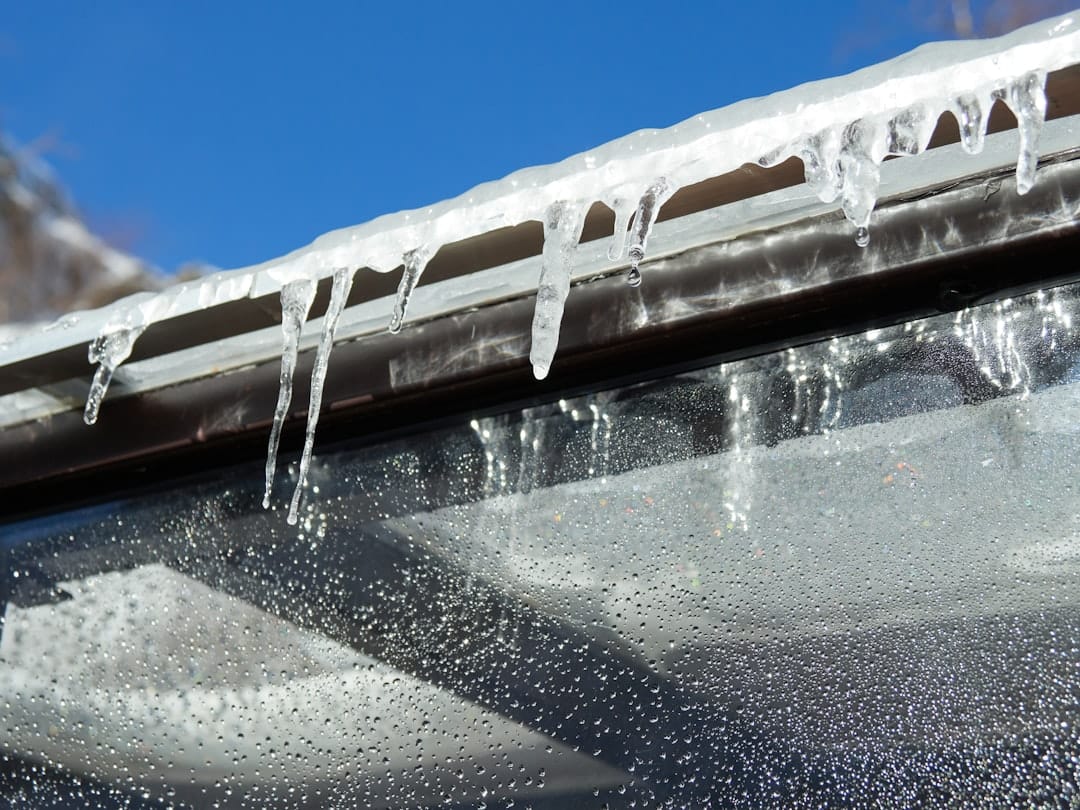
- Large Icicles: Thick icicles along the eaves are a classic symptom.
- Ice in Gutters: Gutters filled with ice indicate a drainage problem.
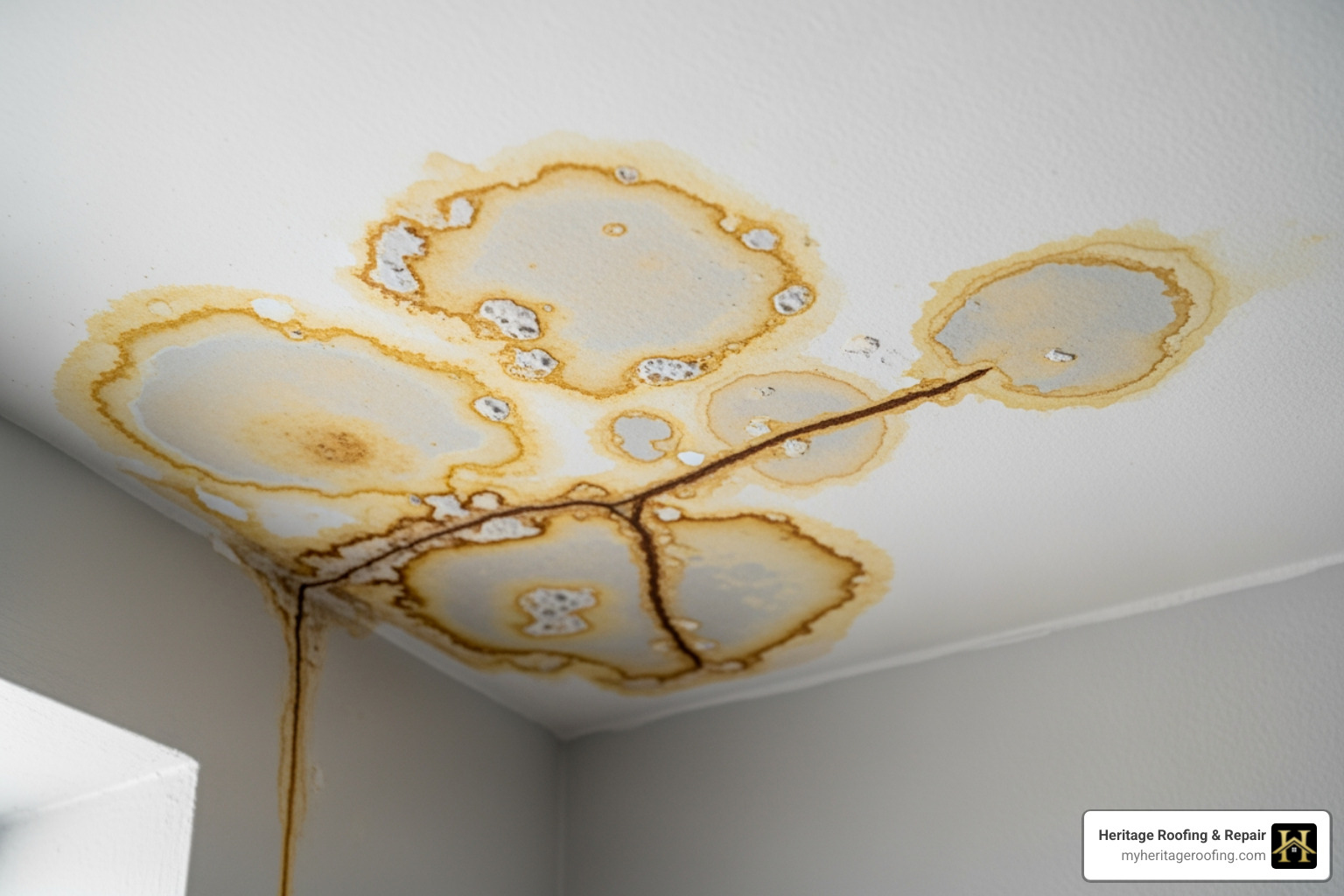
- Interior Water Stains: Discoloration on ceilings or walls is a red flag that water has already entered.
- Peeling Paint or Plaster: Moisture intrusion causes paint to bubble and plaster to soften.
- Wet Attic Insulation: Check for dampness in your attic, which signals a leak and can lead to mold.
- Sagging Gutters: The weight of ice can pull gutters away from the house.
What Kind of Damage Can Ice Dams Cause?
Once water breaches your roof, it can cause extensive and costly damage, including:
- Roof Damage: Water and ice can lift shingles and rot the underlying roof deck.
- Gutter Damage: The weight of ice can tear gutters from the fascia.
- Interior Damage: Water will ruin drywall, warp wood framing, and compromise electrical systems.
- Mold and Mildew: Damp, enclosed spaces like attics and wall cavities become breeding grounds for mold.
- Insulation Failure: Wet insulation loses its R-value, reducing energy efficiency and worsening the ice dam cycle.
Does Homeowners Insurance Cover Ice Dam Damage?
Yes, most standard homeowners insurance policies cover damage caused by ice dams. This is because the water intrusion is typically considered a “sudden and accidental” event. However, coverage is not guaranteed. If an insurer finds that the damage resulted from long-term neglect or poor maintenance, they may deny your claim.
Standard Coverage: What’s Typically Included?
A successful ice dam insurance claim generally covers the consequences of the water intrusion, not the cause. This includes:
- Dwelling Coverage: Repairs to the physical structure of your home, such as the roof, ceilings, and walls.
- Personal Property Coverage: Repair or replacement of damaged belongings like furniture and electronics.
- Additional Living Expenses (ALE): Costs for temporary housing and meals if the damage makes your home uninhabitable.
For more details on how policies handle roof issues, see our guide to homeowners insurance and roof damage.
Common Exclusions and Limitations to Watch For
Be aware of common policy exclusions that can impact your claim:
- Lack of Maintenance: This is the top reason for denial. Failing to clean gutters or address poor attic insulation can lead to a rejected claim.
- Ice Dam Removal: Policies cover the damage caused by the ice dam, but not the cost of removing the ice dam itself, which is seen as a maintenance task.
- Pre-existing Issues: If your roof was already old or in disrepair, the insurer may not cover the full cost of repairs.
- Gradual Damage: Slow leaks or rot that develop over time are typically not covered.
For a broader look at what might be excluded, you can review what insurance may not cover.
The Critical Difference: Accidental Damage vs. Lack of Maintenance
The success of your ice dam insurance claim hinges on whether the damage is deemed accidental or due to negligence.
- Accidental Damage: This is sudden, unexpected damage from an event like a severe winter storm on a well-maintained home. Insurance is designed for this.
- Lack of Maintenance: This is damage that could have been prevented through reasonable upkeep. If clogged gutters or a known insulation issue caused the ice dam, an insurer may argue it was preventable and deny the claim.
Documenting your home maintenance can be crucial evidence. If you face a denial, our guide on why insurance companies might deny roof claims can help.
Your Step-by-Step Guide to Filing an Ice Dam Insurance Claim
A methodical approach is key to a successful claim. While the process can take 2-4 weeks, following these steps can streamline it and improve your outcome.
Step 1: Immediate Actions and Damage Mitigation
Your first priority is to prevent further damage, a step insurers call “mitigation.”
- Prioritize Safety: If you suspect structural or electrical hazards, evacuate and call for help. Never climb onto an icy roof.
- Stop Active Leaks: Place buckets under drips to protect floors and belongings.
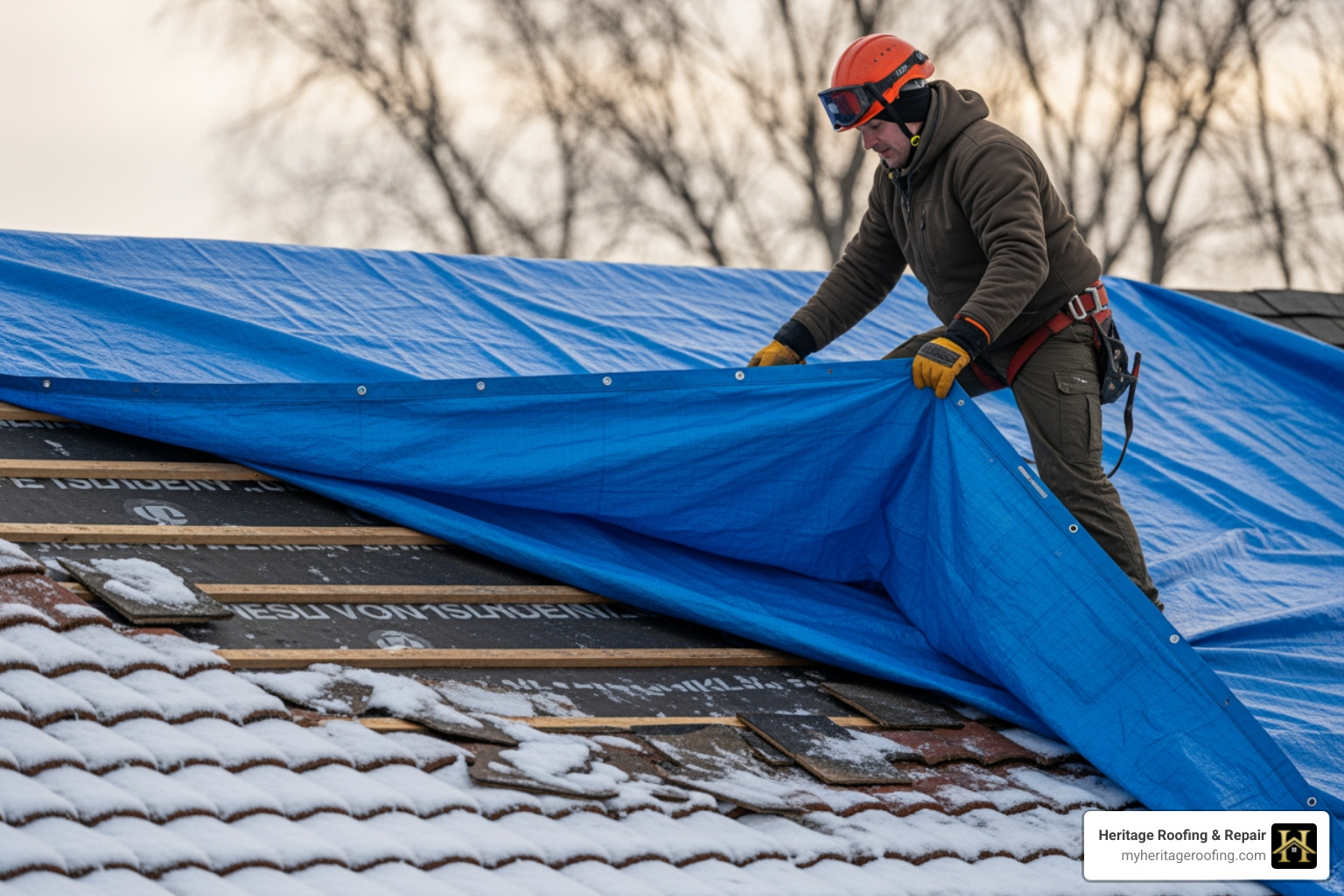
- Make Temporary Repairs: If it’s safe, use a tarp to cover the affected roof area. Do not attempt permanent repairs before the adjuster’s inspection.
- Call a Professional: For extensive damage or unsafe conditions, contact a roofing professional immediately to safely mitigate the issue. Taking these steps shows your insurer you acted responsibly.
Step 2: How to Document Damage for Your Ice Dam Insurance Claim
Thorough documentation is the foundation of your ice dam insurance claim. The more evidence you have, the stronger your case.
- Take Photos and Videos: Capture everything. Get wide shots of the exterior, including the ice dam and gutters, and close-ups of all interior water stains, peeling paint, and damaged property.
- Keep a Detailed Log: Note when you finded the damage, the actions you took, and the dates.
- Inventory Damaged Items: List all affected personal property with its estimated value.
- Save All Receipts: Keep records of any money spent on temporary repairs and mitigation, such as tarps or professional services.
Step 3: Filing the Claim and Working with the Adjuster
Once you’ve mitigated and documented the damage, it’s time to file.
- Contact Your Insurer Promptly: Call your insurance company to report the damage and get a claim number.
- Be Present for the Adjuster’s Visit: Schedule a time to walk the adjuster through all damaged areas. Have your photos and notes ready to ensure they see the full extent of the problem.
- Get Multiple Contractor Estimates: After the adjuster’s visit, obtain at least two detailed repair estimates from reputable local contractors. This helps you negotiate a fair settlement that covers the actual cost of repairs.
Navigating this process can be complex. For more on working with an adjuster, see our guide on the adjuster process.
Prevention: The Best Way to Avoid Future Ice Dam Claims
The best way to handle an ice dam insurance claim is to prevent the damage from happening in the first place. Proactive home maintenance protects your property and shows insurers you are a responsible homeowner.
Key Maintenance to Prevent Ice Dams
Preventing ice dams is about controlling heat loss and ensuring proper water drainage.
- Clean Gutters Regularly: Clogged gutters are a primary cause of ice buildup. Clean them in the fall and early winter.
- Seal Attic Air Leaks: Stop warm air from escaping into your attic by sealing gaps around light fixtures, pipes, and wiring.
- Use a Roof Rake: After heavy snow, use a long-handled rake from the ground to clear the first few feet of snow from your roof’s edge.
The Role of Attic Insulation and Ventilation
The battle against ice dams is won in the attic. The goal is to keep the roof deck as cold as the air outside.
- Insulation: A thick layer of insulation on the attic floor acts as a thermal barrier, keeping your home’s heat from reaching the roof.
- Ventilation: A proper ventilation system, with soffit and ridge vents, creates continuous airflow that flushes out any warm air that gets into the attic. This keeps the entire roof surface uniformly cold.
Professional Help: When to Call for an Inspection
While DIY maintenance helps, professional expertise is invaluable for prevention and emergencies.
- Annual Roof Inspections: A professional can spot vulnerabilities you might miss, like inadequate insulation or ventilation issues, before they cause problems.
- Professional Snow and Ice Removal: If a large ice dam has already formed, hiring a professional is the safest way to remove it without damaging your roof or risking injury.
For homeowners in Northwest Arkansas, a local expert can provide a thorough assessment.
Heritage Roofing & Repair 3458 Arkansas State Hwy 221, Berryville, AR 72616 (870) 654-1164
Frequently Asked Questions about Ice Dam Claims
What if my ice dam insurance claim is denied?
If your ice dam insurance claim is denied, first request a written explanation for the denial. It’s often due to perceived lack of maintenance. You can appeal the decision by providing new evidence, such as maintenance records, proof the damage was from a single storm, or an expert opinion from a roofing contractor. For more help, see our guide for denied roof claims.
Is the landlord or tenant responsible for ice dam damage?
The landlord is almost always responsible for damage to the building’s structure. Ice dams relate to building maintenance, insulation, and ventilation, which are the landlord’s duties. The landlord’s insurance covers the building, while the tenant’s renter’s insurance would cover damage to their personal belongings.
Conclusion: Protecting Your Home and Your Investment
Navigating an ice dam insurance claim requires diligence, from documenting damage to understanding your policy. While insurance is a critical safety net, preventative maintenance is your best defense. Keeping your attic insulated, your roof ventilated, and your gutters clear can prevent the costly damage ice dams cause.
If a winter storm damages your home, partnering with an experienced local roofer is key. Heritage Roofing & Repair has 50 years of experience helping Northwest Arkansas homeowners restore their property and successfully manage insurance claims. For a complete overview of the claims process, explore our Roofing Insurance Claims Ultimate Guide.