Why the Right Roofing Services for Commercial Buildings Can Make or Break Your Business
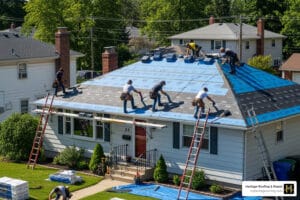
Roofing services for commercial buildings are one of the most critical investments you can make to protect your property, your inventory, and your people. Yet most business owners don’t think about their roof until something goes wrong — and by then, the damage is already done.
Here’s a quick overview of the core commercial roofing services available:
| Service | What It Covers |
|---|---|
| Roof Inspection | Annual or post-storm assessment to catch issues early |
| Roof Repair | Fixing leaks, seams, punctures, blistering, and ponding water |
| Roof Replacement | Full system removal and installation when repair isn’t enough |
| Preventive Maintenance | Scheduled upkeep to extend roof lifespan by years |
| Emergency Response | Rapid leak mitigation, often within 2-4 hours |
| Waterproofing & Penetration Sealing | Protecting vulnerable areas around HVAC, vents, and pipes |
| Green & Energy-Efficient Roofing | Cool roofs and reflective systems that cut energy costs |
Commercial roofs fail quietly. A small crack or a pooled puddle after rain can seem minor — until it becomes a flooded stockroom, a damaged electrical system, or a liability issue. Unlike residential roofs, commercial roofs often cover massive surface areas with complex equipment like HVAC units, drainage systems, and rooftop vents. That complexity means more potential failure points, and more at stake when something goes wrong.
The good news? With the right commercial roofing services, most major problems are entirely preventable.
I’m Rex Wisdom, owner of Heritage Roofing & Repair — a family-owned business with over 50 years of combined experience delivering reliable roofing services for commercial buildings across Northwest Arkansas. In this guide, I’ll walk you through everything you need to know to protect your business from the top down.
Quick look at roofing services for commercial building:
The Unique Challenges of Commercial Roofing Systems
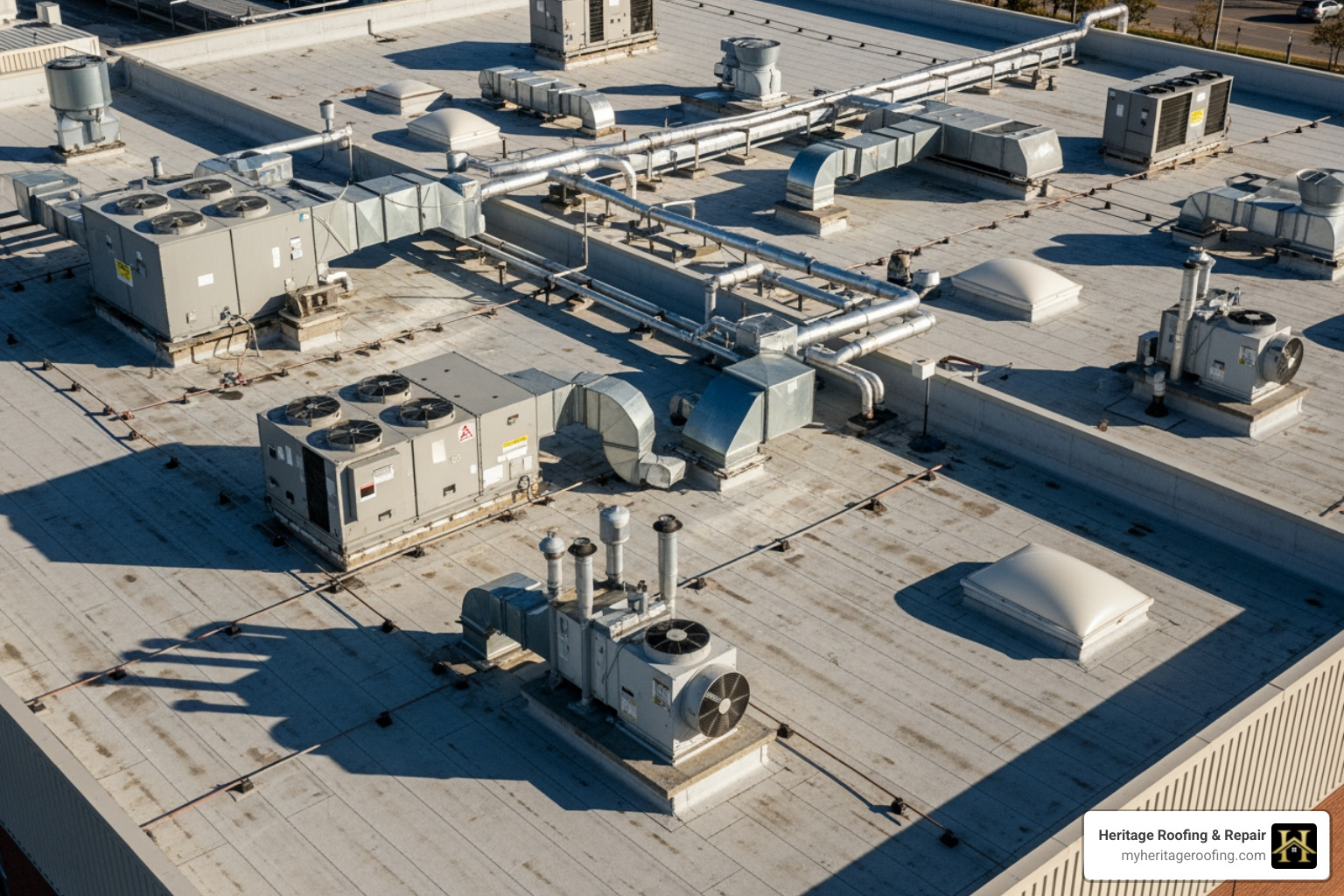
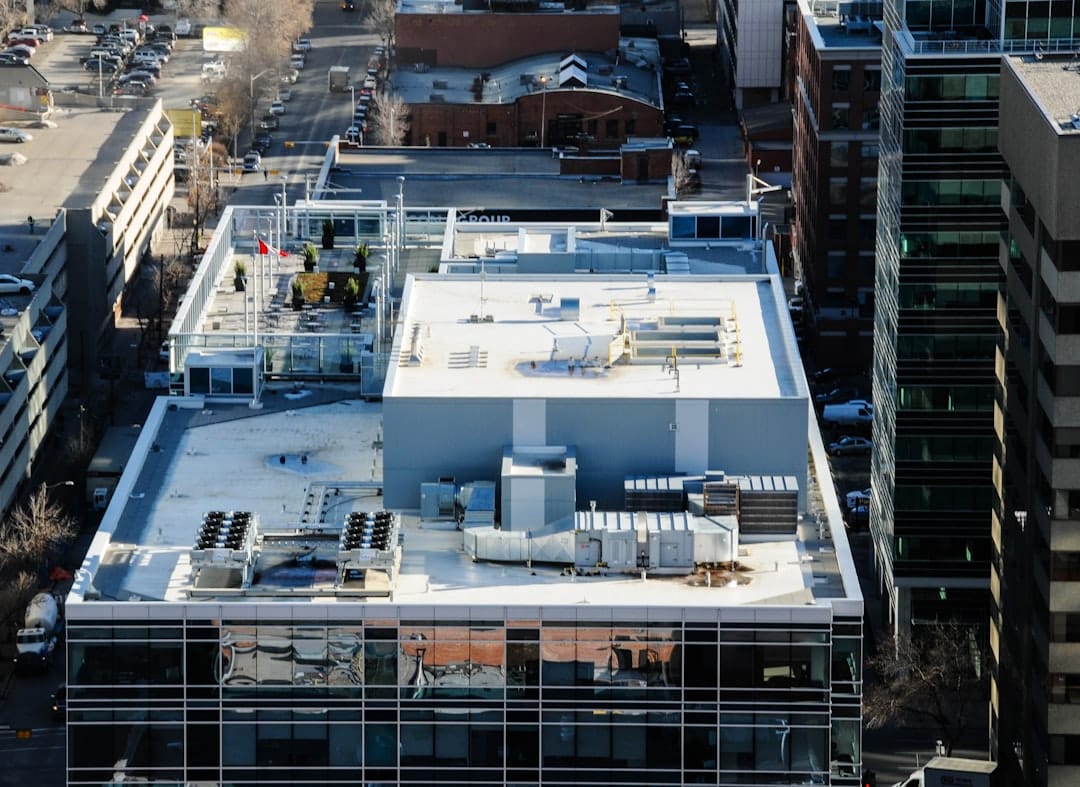
When we talk about roofing services for commercial buildings, we aren’t just talking about a bigger version of a house roof. Commercial structures present unique architectural challenges that require specialized knowledge. Most businesses utilize flat or low-slope systems, which are “invisible” from the ground but work incredibly hard to shed water and support heavy machinery.
One of the biggest hurdles in commercial roofing is managing “penetrations.” These are the spots where HVAC units, pipes, vents, and satellite equipment poke through the roof membrane. Every penetration is a potential leak point if not sealed with expert precision. For a deeper dive into these complexities, check out our comprehensive commercial roofing services guide.
Key Differences in Commercial Roofing Systems
Commercial roofs typically cover significantly larger surface areas, often exceeding 10,000 square feet, compared to residential roofs. This massive scale changes everything from drainage logic to material expansion.
- Weight and Load: Commercial roofs must support heavy industrial HVAC units and often experience higher foot traffic from maintenance crews.
- Drainage Systems: While residential roofs rely on simple gravity and gutters, commercial flat roofs use complex internal drains, scuppers, and tapered insulation to move water.
- Installation Complexity: Installing a commercial system often involves large-scale welding of seams or high-strength adhesives that aren’t used in standard shingle roofing.
Choosing the Optimal System for Your Facility
Selecting the right roof isn’t a “one size fits all” decision. We help our clients evaluate their building’s structural capacity, the local climate in Northwest Arkansas—where we deal with both intense summer heat and sudden ice storms—and their long-term budget. If you are struggling to decide, read your ultimate guide to commercial flat roofs for more clarity.
Common Types of High-Performance Commercial Roofing Systems
Choosing the right material is the foundation of a long-lasting roof. Here is how the most popular systems stack up:
| System Type | Average Lifespan | Energy Efficiency | Primary Benefit |
|---|---|---|---|
| TPO | 15–25 Years | Excellent (Reflective) | Cost-effective & Heat-resistant |
| EPDM | 25–30+ Years | Moderate | Extremely durable rubber |
| PVC | 20–30 Years | High | Chemical & Grease resistant |
| Metal | 40–60 Years | High (with coatings) | Maximum longevity |
| BUR | 20–30 Years | Low | Tough, multi-layered protection |
Advanced TPO and PVC Membrane Solutions
TPO and PVC membranes are highly energy-efficient, with reflective surfaces that can reduce cooling costs by up to 15-20% in warmer climates. These “Cool Roofs” are essentially giant white blankets that bounce sunlight away from your building, keeping your AC units from working overtime.
PVC is particularly valuable for restaurants. Why? Because it is highly resistant to animal fats and grease that get pumped out of kitchen vents. Standard roofs would break down under those chemicals, but PVC holds strong. To ensure you’re getting the best installation, look for GAF commercial contractor certification standards, which represent the top tier of industry training.
Durable EPDM and Robust Metal Roofing
EPDM roofs are renowned for their longevity, often exceeding 30 years, while metal roofing systems can boast a 40-60 year lifespan, with some lasting over 50 years with proper maintenance. EPDM is a synthetic rubber that handles thermal shock (rapid temperature changes) better than almost any other material.
Metal roofing, on the other hand, is the “gold standard” for durability. It’s fire-resistant, handles high winds with ease, and is often the most sustainable choice since it’s frequently made from recycled materials.
Essential Maintenance and Proactive Repair Strategies
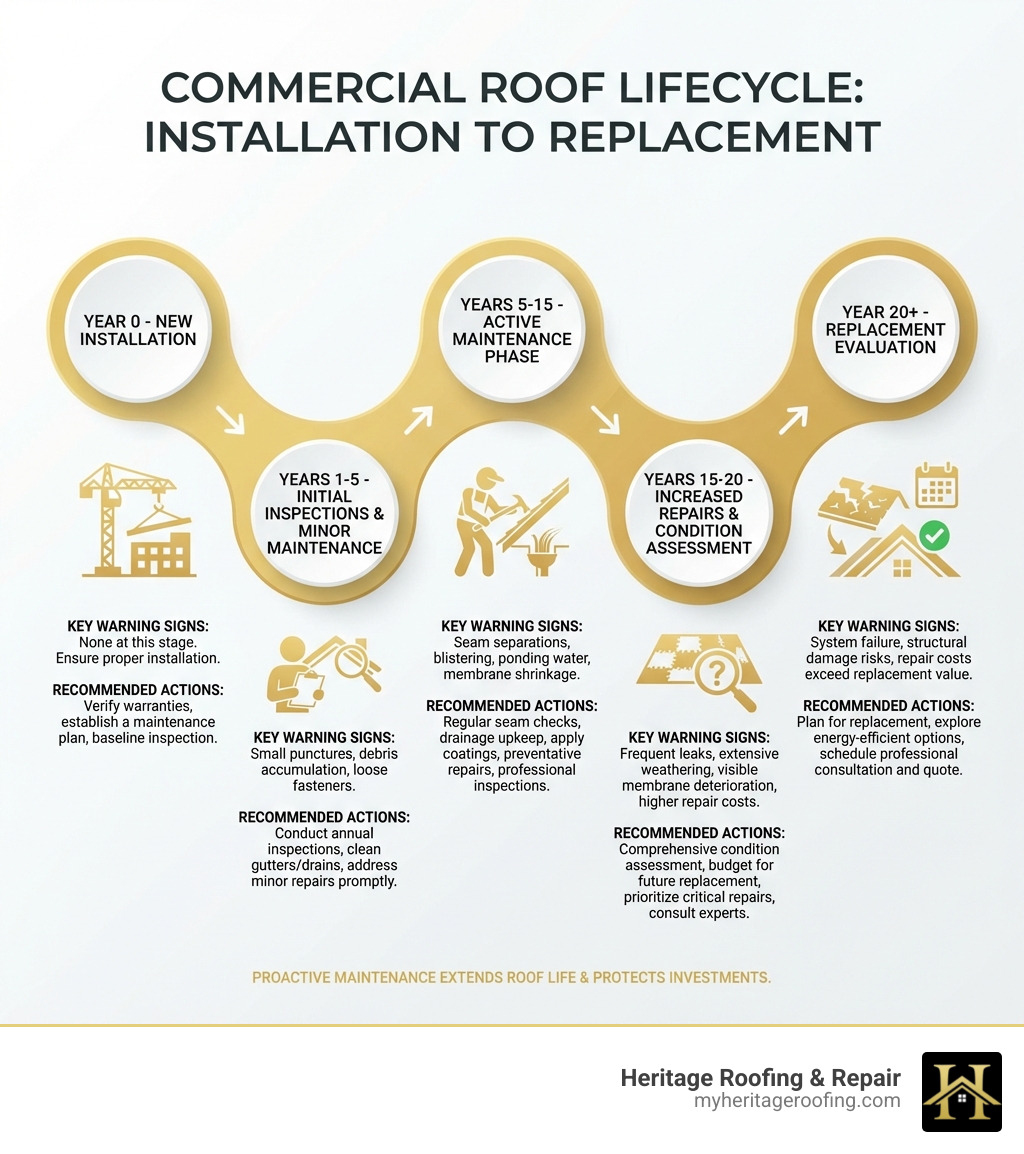
We always tell our clients: “A roof is an asset, not just an expense.” But like any asset, it requires upkeep. Preventative maintenance is the difference between a $500 seam repair and a $50,000 emergency replacement. Our Beyond the Leak guide covers these strategies in detail.
Proactive Inspection Protocols
We recommend a professional inspection at least twice a year—once in the spring and once in the fall—plus an extra check after any major storm. Our inspections include:
- Interior Checks: Looking for water stains, mold, or “bubbles” in the ceiling paint.
- Envelope Assessment: Checking the walls and edges where the roof meets the building.
- Rooftop Survey: Hunting for punctures, backed-up drains, and “ponding water” (water that sits for more than 48 hours).
If you suspect an issue, don’t wait. Contact us for expert commercial roof repair services immediately.
Rapid Emergency Response
Timely emergency response, often within 2-4 hours, can prevent minor leaks from escalating into catastrophic damage. When a storm hits Fayetteville or Harrison, a leak can shut down your production line or ruin expensive electronics in minutes.
We provide 24/7 emergency support to mitigate damage. This usually involves temporary tarping or “quick-set” patches to stop the water flow, followed by a permanent repair once the weather clears. Our goal is always to minimize your operational downtime.
Navigating Costs, Warranties, and Insurance Claims
The cost of roofing services for commercial buildings varies based on the material, the height of the building, and the number of rooftop penetrations. However, the “cheapest” bid is rarely the best value. You have to look at the Total Cost of Ownership over 20 years.
Understanding Commercial Roof Warranties
Commercial roof warranties can range from 10 to 30 years, with some premium systems offering up to 50-year coverage. The most sought-after is the NDL (No Dollar Limit) warranty. Unlike standard warranties that are prorated, an NDL warranty covers the full cost of repairs or replacement for the duration of the term, regardless of the cost of labor and materials at that future date.
Note: Most manufacturer warranties require documented annual maintenance to remain valid!
Managing Insurance Claims for Storm Damage
In Arkansas, hail and high winds are part of life. Navigating an insurance claim for a commercial property is significantly more complex than a residential one. We specialize in helping business owners document damage and speak the language of adjusters to ensure you get a fair settlement. Read our commercial roof insurance claims guide to learn more.
If your roof is beyond repair, we can help you find commercial flat roof replacement near you.
Selecting the Right Commercial Roofing Contractor in Northwest Arkansas
Choosing a contractor is the most important decision in the process. You need a team that understands local building codes, OSHA safety standards, and the specific weather patterns of the Ozarks. At Heritage Roofing & Repair, we bring 50 years of trusted experience to every job site.
Local Expertise and Unwavering Reliability
We are proud to serve our neighbors across Berryville, Fayetteville, and Harrison. Whether you need a minor repair or a massive reroofing project, we treat your business like our own. Check out your guide to commercial roofing in Northwest Arkansas for more local insights.
Heritage Roofing & Repair 3458 Arkansas State Hwy 221, Berryville, AR 72616 Phone: (870) 654-1164
Frequently Asked Questions about Commercial Roofing
How long does a commercial roof replacement typically take?
A commercial roof replacement can often be completed within 2-5 days for an average-sized building, though larger or more complex projects may take longer. We work efficiently—often in sections—to ensure your business can stay open and operational during the process. Weather is the biggest variable, but our crews are experts at “drying in” a building quickly to prevent interior exposure.
What are the definitive signs that a commercial roof needs replacement?
Key indicators for commercial roof replacement include reaching or exceeding its 20-year average lifespan, frequent and persistent leaks, evidence of trapped moisture, and significant insulation breakdown. If you see “ponding water” that stays for days, or if your energy bills are skyrocketing due to wet insulation losing its R-value, it’s time for a professional assessment.
How can regular maintenance significantly extend a commercial roof’s lifespan?
Regular maintenance can extend a commercial roof’s lifespan by 25-50% by addressing minor issues before they become major problems. This includes clearing debris from drains (which prevents structural stress from water weight), resealing pipe penetrations, and catching small membrane punctures caused by dropped tools or wind-blown debris.
Conclusion: Investing in Long-Term Business Protection
Your commercial roof is the first line of defense for your business assets. By prioritizing quality roofing services for commercial buildings, you aren’t just buying a roof; you’re buying peace of mind. From selecting the right energy-efficient membrane to staying on top of proactive inspections, every step you take today saves you thousands of dollars tomorrow.
Ready to protect your investment? Learn more about our commercial roofing services and let us help you keep your business covered.